Indian Dish Finder
Find Your Perfect Indian Dish
Discover authentic Indian dishes based on your preferences
Recommended Dishes
Ask anyone who’s traveled through India what they remember most, and chances are they’ll talk about the food. It’s not just fuel-it’s history on a plate, spice in the air, and family around a shared bowl. India doesn’t have one famous food. It has dozens, each tied to a region, a season, a ritual, or a generation of cooks who passed down recipes without ever writing them down.
North India’s Comfort: Butter Chicken and Naan
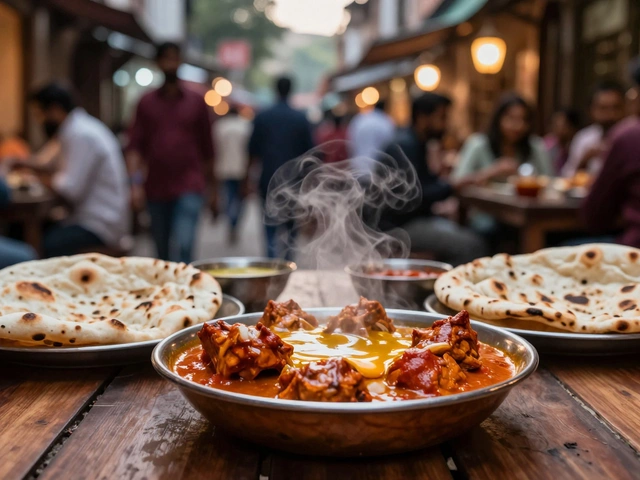
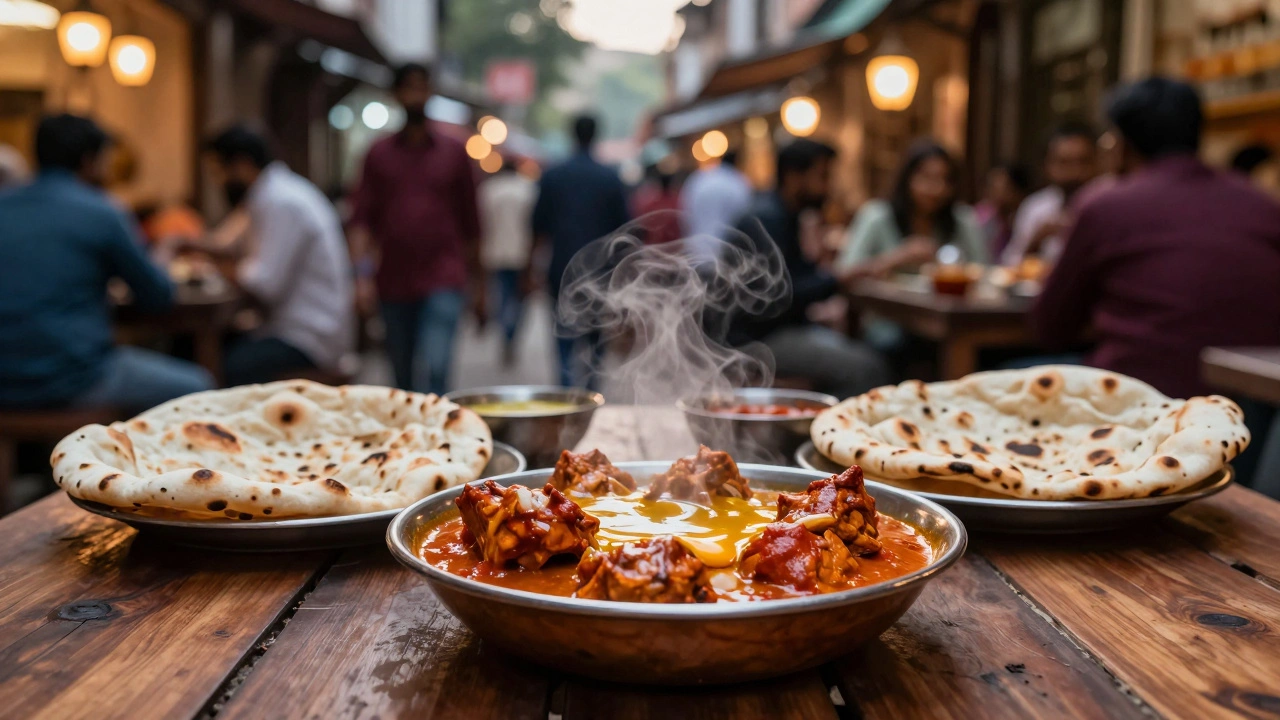
If you’ve ever had butter chicken, you know why it’s a global favorite. Tender pieces of chicken, marinated in yogurt and spices, then grilled and smothered in a creamy tomato-and-butter sauce. It’s rich, but not heavy. Served with warm, pillowy naan bread that soaks up every drop of sauce. This dish was born in Delhi’s Moti Mahal restaurant in the 1950s, created by accident when leftover tandoori chicken got tossed into a rich gravy. Now, it’s on every menu from Mumbai to Melbourne.
Butter chicken isn’t alone. In Punjab, you’ll find parathas-flaky, layered flatbreads stuffed with potatoes, paneer, or spiced spinach. In Kashmir, rogan josh turns lamb into a deep red, aromatic stew with dried ginger, fennel, and Kashmiri chilies. These aren’t just meals. They’re cultural anchors.
South India’s Rice and Fermentation
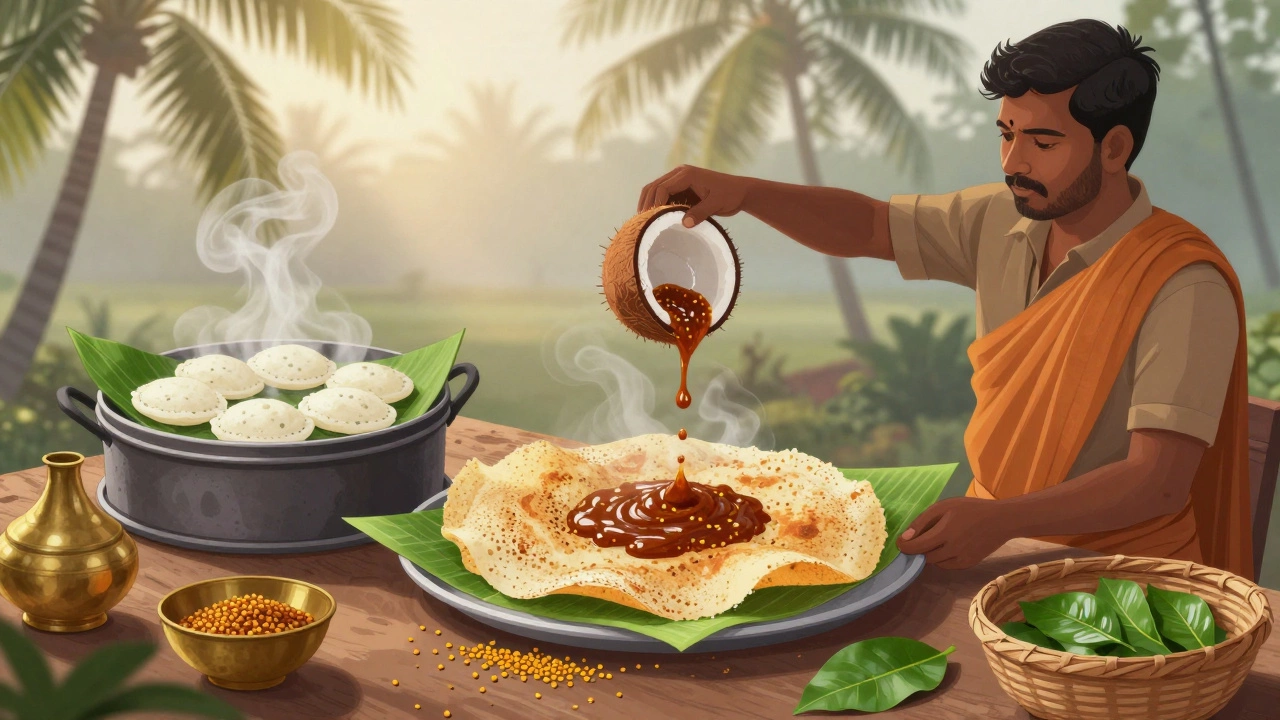
Head south, and everything changes. Rice replaces wheat. Fermentation replaces yeast. The iconic idli and dosa are proof. Idlis are steamed rice-and-lentil cakes-soft, fluffy, and slightly sour from overnight fermentation. Dosas are thin, crispy crepes made from the same batter, served with coconut chutney and sambar, a lentil-based vegetable stew.
These aren’t fancy restaurant dishes. They’re breakfast staples, sold by street vendors before sunrise, eaten with bare hands, and passed down through mothers to daughters. In Tamil Nadu, you’ll find pongal, a savory rice-and-lentil dish cooked with mustard seeds and curry leaves. In Kerala, appam-lacy, bowl-shaped pancakes-are served with coconut milk stew. The flavors are subtle, earthy, and deeply comforting.
The Street Food Revolution: Pani Puri and Chaat
Walk through any Indian market at dusk, and you’ll see crowds gathered around small carts. That’s where you’ll find pani puri. A hollow, crispy shell, filled with spiced potato, chickpeas, and tamarind water. Then-crunch. The whole thing bursts in your mouth, a mix of sweet, spicy, tangy, and cool. It’s messy. It’s addictive. And it’s found from Delhi to Goa.
Chaat is the broader category-any savory snack that plays with texture and temperature. Aloo tikki (fried potato patties), sev puri (crispy discs topped with yogurt and chickpeas), bhel puri (puffed rice with onions and chutneys). Each bite tells a story: resourcefulness, balance, joy in simplicity. Street food isn’t just eaten here-it’s celebrated. In Mumbai alone, over 100,000 street vendors serve food daily, feeding millions.
East India’s Sweet and Sour
In Bengal, food is poetry. Macher Jhol-a light fish curry with mustard oil and fenugreek-is the everyday meal. But the region’s most famous contribution? Rasgulla. Soft, spongy cheese balls soaked in sugar syrup, served chilled. It’s not just dessert. It’s a cultural symbol, tied to festivals like Durga Puja. The dish was invented in the 19th century in Kolkata, and today, over 100 million rasgullas are made annually in West Bengal alone.
Odisha has pitha-rice cakes steamed in banana leaves. Assam brings 竹叶饭 (khar), a traditional dish made with banana ash water and fish. These dishes aren’t on tourist brochures. But locals know them by heart. They’re the taste of home.
West India’s Coastal Flavors
Goa’s Portuguese past left a mark: vindalho, a fiery pork curry with vinegar and red chilies. It’s not Indian in origin, but it’s Indian now. In Maharashtra, pav bhaji is king-a mashed vegetable curry served in a buttered bun, eaten with a side of raw onion and lemon. It started as a quick meal for Mumbai textile workers in the 1800s. Today, it’s sold in over 5,000 stalls across the city.
Along the Konkan coast, neer dosa (thin rice crepes) and fish curry with rice dominate. Coconut is everywhere-in curries, in chutneys, even in drinks. The sea shapes the food here. Fresh catch, salt air, and a love for sour flavors make West Indian cuisine uniquely bold.
Why Indian Food Is More Than Just Spice
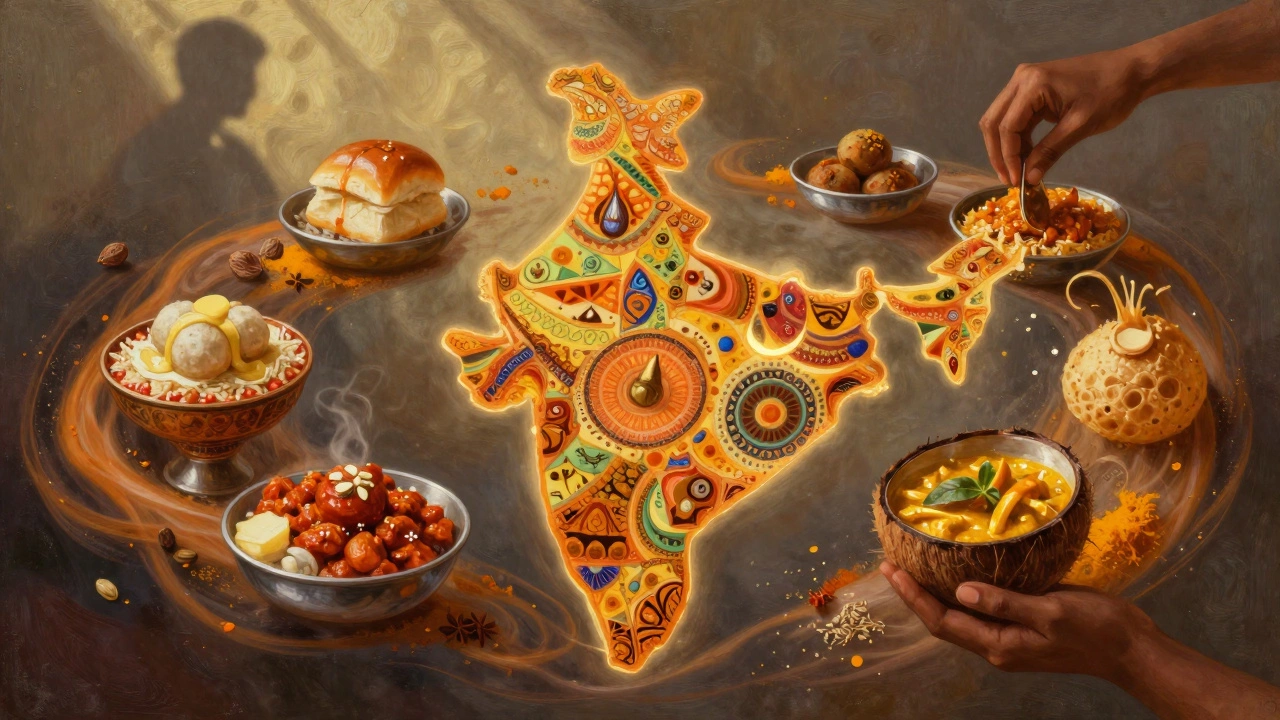
People think Indian food means heat. But spice isn’t just about chili peppers. It’s about balance. Cumin for warmth. Cardamom for sweetness. Asafoetida for depth. Turmeric for color and health. Each spice has a role. And each region uses them differently.
In Rajasthan, where water is scarce, dried lentils and millet make up the diet. In the Himalayas, yak butter tea and momos (dumplings) keep people warm. In the Northeast, fermented bamboo shoots and smoked meats are common. There’s no single Indian cuisine. There are dozens-each shaped by climate, religion, caste, and history.
And that’s the real magic. You don’t just taste food in India. You taste time. You taste migration. You taste resilience. A dish like biryani-layered rice with meat, saffron, and fried onions-evolved from Persian traders, Mughal courts, and local village kitchens. Today, there are over 20 regional versions: Hyderabadi, Lucknowi, Kolkata, Tamil Nadu. Each one tells a different story.
What You Should Try First
If you’re new to Indian food, start here:
- Butter chicken-for creamy comfort
- Dosa-for texture and balance
- Pani puri-for pure, explosive flavor
- Rasgulla-for sweetness without cloying
- Pav bhaji-for street food energy
Don’t be afraid to ask for "less spicy." Most places will adjust. And don’t skip the chutneys-they’re not just condiments. They’re flavor keys.
Indian Food Is a Living Tradition
There’s no official list of "famous" Indian foods. That’s the point. Every village, every family, every street vendor adds their own twist. The food changes with the seasons, the harvests, the festivals. It’s not frozen in time. It’s alive.
When you eat Indian food, you’re not just filling your stomach. You’re joining a conversation that’s been going on for thousands of years. And the best part? You don’t need to understand the language to feel it.
What is the most famous Indian dish worldwide?
Butter chicken is the most widely recognized Indian dish outside India. Its creamy, mildly spicy sauce and tender chicken make it approachable for international palates. It’s served in Indian restaurants from New York to Sydney, often as the default choice for first-time diners.
Is Indian food always spicy hot?
No. "Spicy" in Indian cooking usually refers to the use of spices like cumin, coriander, and turmeric-not just heat from chilies. Many dishes, like korma or paneer tikka, are mild. You can always ask for "no chili" or "less spicy" when ordering. Regional cuisines like Bengali or Gujarati are known for being sweet or sour, not fiery.
Can vegetarians eat well in India?
Absolutely. Over 30% of Indians are vegetarian, and the cuisine reflects that. Dishes like dal tadka, chana masala, aloo gobi, and paneer butter masala are staples. Even in non-vegetarian regions, you’ll find plenty of plant-based options. Street food like pani puri, bhel puri, and dosa are naturally vegetarian.
What’s the difference between North and South Indian food?
North Indian food relies on wheat (naan, roti), dairy (butter, paneer, yogurt), and tandoor ovens. Flavors are rich and creamy. South Indian food uses rice, lentils, coconut, and tamarind. Fermentation is key. Dishes are lighter, tangier, and often served on banana leaves. The spice blends differ too-garam masala in the north, curry leaf and mustard seed in the south.
Are Indian meals served all at once?
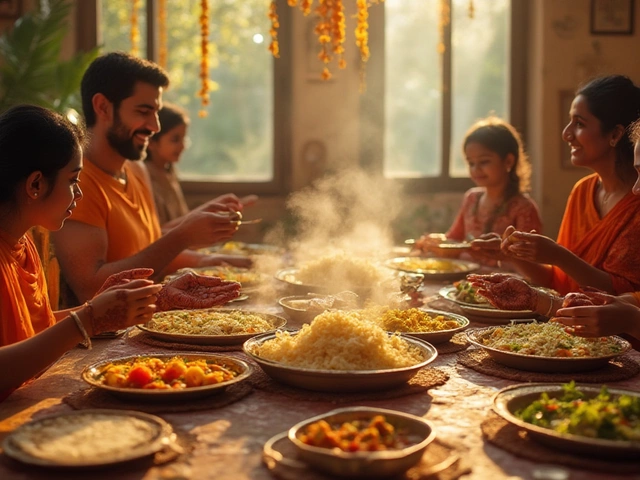
In homes and traditional settings, yes. A full meal includes rice or bread, a lentil dish (dal), a vegetable curry, yogurt, chutney, and sometimes a sweet. It’s eaten together, not in courses. In restaurants, dishes are often served separately. But the philosophy is still about balance-each component complements the others.
Next time you’re in India, skip the tourist restaurants. Find the place where the locals line up. Watch how they eat. Taste slowly. You’ll understand why Indian food isn’t just famous-it’s unforgettable.