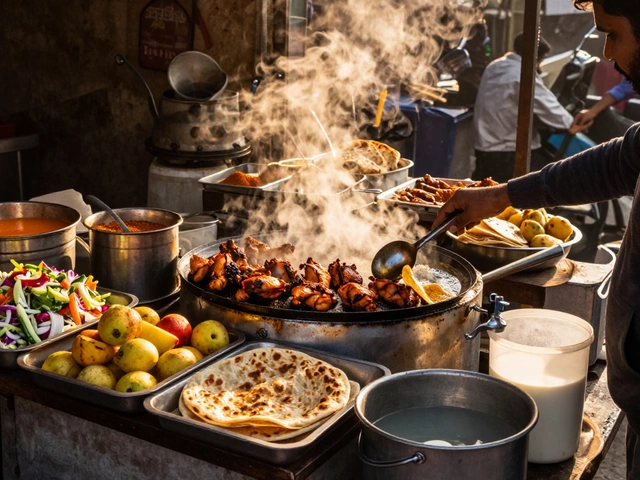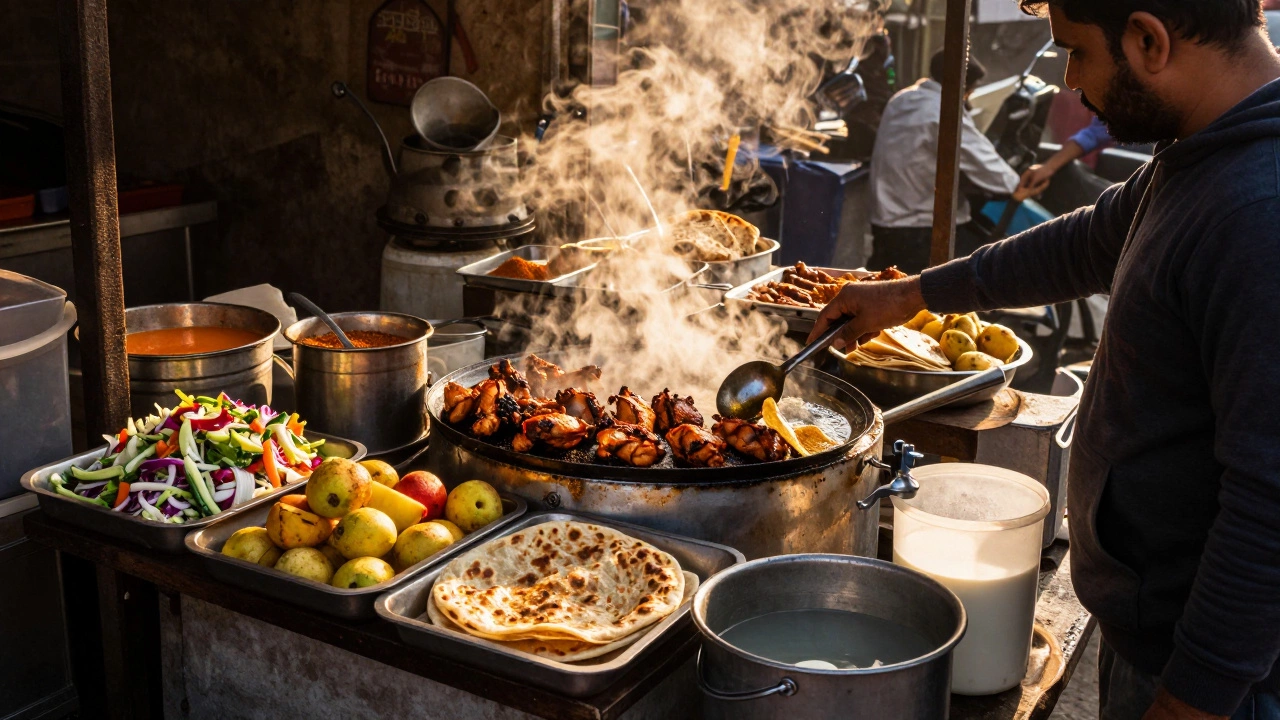
India’s street food is legendary. The sizzle of tandoori chicken, the tang of chaat, the warmth of fresh parathas - it’s the kind of experience that sticks with you long after you’ve left. But for many travelers, especially in North India, that same food can turn a dream trip into a nightmare. You don’t need to avoid street food entirely, but you do need to know what to skip and why. This isn’t about fear. It’s about smart choices.
Raw or Undercooked Foods: The Hidden Risk
One of the biggest mistakes travelers make is assuming that if it’s hot, it’s safe. A freshly fried samosa might look golden and crisp, but if the oil was reused too many times or the filling was prepped hours earlier, you’re asking for trouble. Raw vegetables, especially lettuce, cucumbers, and tomatoes served in salads or chutneys, are major culprits. They’re often washed in untreated water, even in decent restaurants. In cities like Delhi, Agra, and Varanasi, water sources are inconsistent. A single bite of unpeeled fruit or a salad doused in raw herb garnish can lead to hours of discomfort.
Don’t assume that a fancy hotel restaurant is immune. I’ve seen tourists get sick from hotel buffets where the salad station sat out for hours, and the ice in their drinks came from a tap not filtered for consumption. Stick to cooked, hot, and served piping hot. If it’s lukewarm, walk away.
Unpasteurized Dairy: The Silent Problem
Milk, yogurt, and paneer are everywhere in North India - from roadside lassi stalls to luxury hotel breakfasts. But here’s the catch: much of it is unpasteurized. In rural areas and even in some urban homes, milk is boiled at home, but not always at high enough temperatures or for long enough to kill harmful bacteria like E. coli or salmonella. You might love the thick, creamy texture of fresh dahi (yogurt), but if it’s made from raw milk and left unrefrigerated for hours, it’s a bacterial playground.
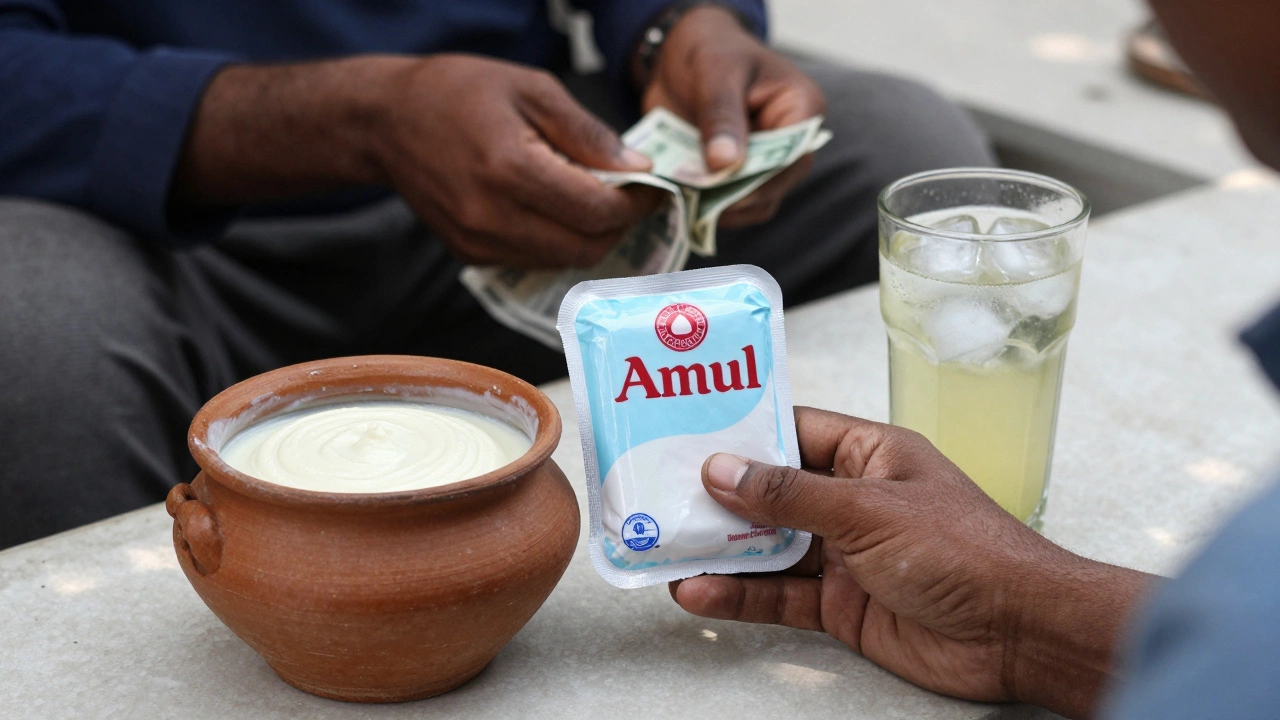
Stick to branded dairy products: Amul, Mother Dairy, or Nandini. These brands pasteurize and cold-chain their products. Look for sealed packets. If you’re buying yogurt from a vendor, ask if it’s made from pasteurized milk. Most won’t know the term, but if they say “boiled milk,” that’s a good sign. Avoid any dairy that’s been sitting out without refrigeration, even if it’s labeled “fresh.”
Ice in Drinks: It’s Not Just Water
Ice is one of the sneakiest risks. It looks innocent - cool, clear cubes in your lemonade or mango lassi. But in many places, ice is made from the same tap water you wouldn’t drink. Even if the drink itself is bottled, the ice might not be. I once watched a street vendor in Jaipur fill a tray of ice from a bucket of water that had been sitting outside all day. No filtration. No boiling. Just tap water, frozen.
Always ask: “Is the ice made from bottled water?” If they hesitate, say no thanks. Bottled drinks with sealed lids are safer than open containers. If you’re ordering a cocktail or soda, request it without ice. Most vendors will understand - they’ve seen this before. And if you’re at a hotel, check if they have a water purifier or if they use bottled water for ice. If they don’t, skip the chilled drinks entirely.
Raw or Undercooked Eggs: Don’t Assume It’s Safe
Eggs are a breakfast staple in North India - from aloo paratha with a fried egg on top to omelets at roadside dhabas. But eggs are one of the most common carriers of salmonella. In many places, eggs aren’t refrigerated before being cracked open. They sit in baskets under the sun for hours. Even if they’re cooked, they might not be cooked through. A runny yolk might taste amazing, but it’s a gamble.
Ask for eggs to be fully cooked - no runny parts. If you’re eating at a hotel, check if they use pasteurized eggs. If you’re unsure, skip egg-based dishes altogether. It’s not worth the risk. Stick to boiled eggs that are peeled in front of you, or avoid them until you’re confident in the source.
Unpeeled Fruits and Vegetables: The Peel Is Your Friend
It’s tempting to grab a banana or an apple from a street vendor. But if it’s not peeled in front of you, it’s a risk. Fruits like bananas, oranges, and papayas have thick peels - but the outside can be coated in dust, dirt, or contaminated water. Even if you peel it yourself, if the peel was handled by someone who washed their hands in tap water, you’re still exposed.
Stick to fruits you can peel yourself: bananas, oranges, pomegranates, and mangoes (if you’re confident in the vendor). Avoid pre-cut fruit, fruit salads, or anything served in a bowl. If you’re eating fruit from a hotel, ask if it’s washed in filtered water. If they say “yes,” ask again - because many will say yes just to please you. Better yet, buy fruit from a grocery store where you can wash it yourself under bottled water.
Street Food That’s Been Sitting Out
Not all street food is dangerous. But some is. The trick is knowing which ones are safe and which ones aren’t. Avoid anything that’s been sitting out for more than 30 minutes - especially items like pakoras, kachoris, or chaat. These are often prepped in bulk and left under heat lamps or in open trays. Heat doesn’t kill bacteria - it just keeps them warm and happy.
Look for vendors who make food fresh to order. If you see a line of people waiting, that’s a good sign. If the vendor is flipping a stack of dosas one at a time, that’s better than a tray of 20 already made. Pay attention to how the food is handled. If the vendor touches money and then the food without washing hands, walk away. If they use the same tong for raw and cooked food, walk away. Cleanliness isn’t always visible, but it’s often audible - the sound of water running, the smell of soap.
What’s Actually Safe? A Quick Guide
You don’t have to eat bland food to stay healthy. Here’s what’s generally safe in North India:
- Hot, freshly cooked meals - especially tandoori dishes, curries, and dal
- Bottled water with sealed caps - check the seal before opening
- Boiled or pasteurized milk from trusted brands
- Fruits you can peel yourself - banana, orange, pomegranate
- Tea or chai made with boiled water - the heat kills most bacteria
- Hard-boiled eggs from reputable sources
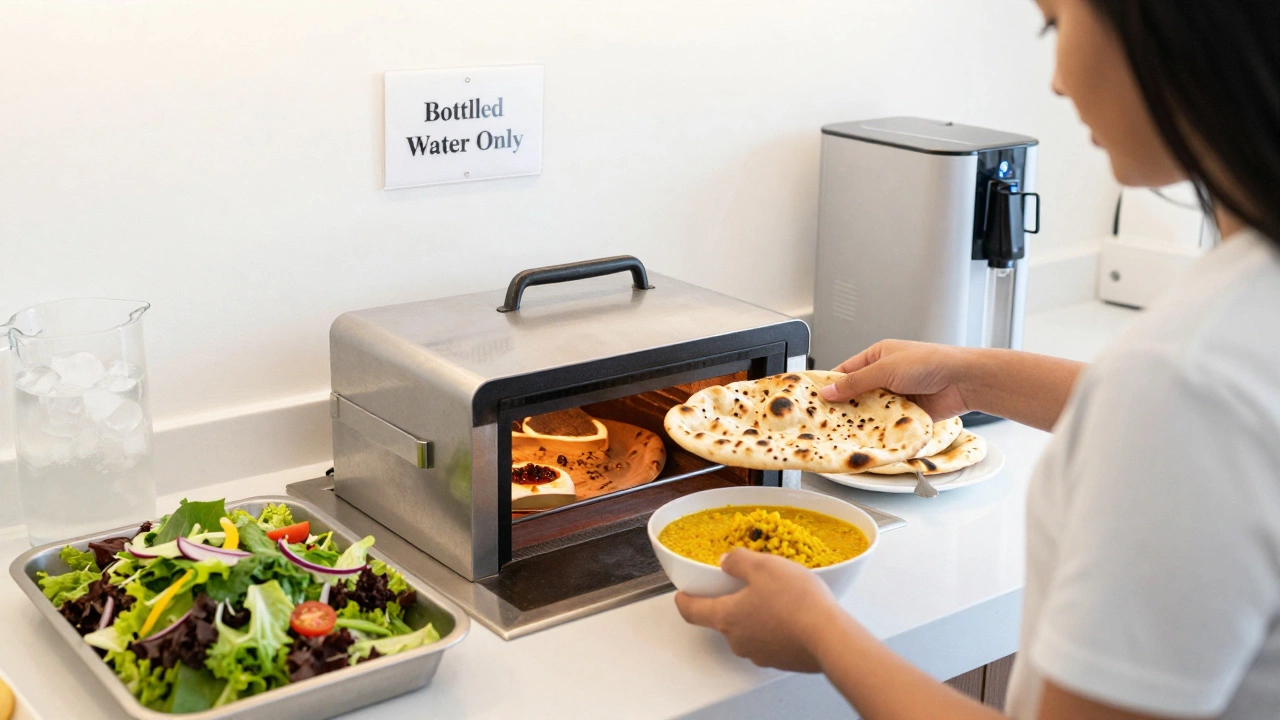
- Well-cooked roti or naan - fresh off the tandoor
Pro tip: Carry a small bottle of hand sanitizer and use it before eating. Even if you’re eating with your hands, clean them first. And carry oral rehydration salts - they’re cheap, lightweight, and lifesavers if you do get sick.
Why This Matters More in North India
North India has a higher concentration of tourists - Delhi, Agra, Jaipur, Varanasi - and with that comes higher demand for food. Vendors often prioritize speed over safety. Water infrastructure is patchy. Sanitation standards vary wildly, even in mid-range hotels. In South India, water is often better treated, and food handling is more regulated. But in the north, the rules are looser. That doesn’t mean you can’t enjoy the food. It just means you have to be more careful.
People get sick here not because they ate spicy food. It’s not the chili. It’s the water. It’s the ice. It’s the unpeeled fruit. It’s the egg that sat out for hours. Once you understand that, you can enjoy everything without fear.
What to Do If You Get Sick
If you do get sick - diarrhea, nausea, cramps - don’t panic. Most cases last 24-48 hours. Drink plenty of bottled water. Use oral rehydration salts. Avoid dairy, caffeine, and alcohol. If symptoms last more than two days, or if you have a fever, see a doctor. Pharmacies in major cities have English-speaking staff. They’ll give you antibiotics like ciprofloxacin (if prescribed) or loperamide to slow the diarrhea. Don’t self-medicate with leftover pills from home. What works in Australia might not be safe here.
And remember: most travelers who eat smartly never get sick. It’s not about avoiding food. It’s about choosing wisely.
Can I drink tap water in North India if I boil it first?
Boiling tap water for one full minute kills most bacteria and viruses. But it doesn’t remove chemical contaminants like lead, nitrates, or pesticides that are common in North Indian water sources. For safety, use bottled water even if you boil it. Boiling is a backup, not a solution.
Is it safe to eat at high-end hotels in North India?
High-end hotels are generally safer, but not foolproof. Some still use tap water for ice or washing produce. Always ask if the ice is made from bottled water and if fruits are washed in filtered water. Stick to cooked, hot food and avoid raw salads or unpeeled fruit even in luxury places.
Should I avoid all street food in North India?
No. Many street vendors serve safe, delicious food. Look for busy stalls where food is cooked fresh to order. Watch how they handle ingredients, wash hands, and store food. If the vendor is clean, organized, and has a steady stream of locals eating there, it’s likely safe. Avoid stalls with no customers, uncovered food, or visible dirt.
Can I eat yogurt from a local market?
Only if it’s from a branded, sealed container like Amul or Mother Dairy. Homemade or unbranded yogurt from markets is often made from raw milk and may not be refrigerated. The risk of bacterial contamination is high. Stick to packaged yogurt - it’s cheap and widely available.
What’s the best way to carry water while traveling in North India?
Carry a reusable bottle and refill it with sealed bottled water. Avoid buying large 20-liter jugs unless you’re sure they’re from a trusted source. Some refill stations use unfiltered water. Stick to well-known brands like Bisleri, Aquafina, or Kinley. Keep your bottle sealed until you’re ready to drink.