Instant Vacation Generator
Feeling burnt out? Use this tool to remove decision fatigue and find your perfect 24-72 hour escape based on the Sensory Shift principle.
Most people think a real vacation requires a passport and a week of leave. But let's be honest: by the time you finish planning a massive trip, you're often so exhausted that you need another vacation just to recover from the planning. Instant vacations flip the script. They prioritize speed and accessibility over exhaustive itineraries. Whether it's a cabin three hours away or a quick flight to a nearby city, the goal is a rapid reset.
The Core Pillars of the Micro-Break
To make a trip feel like a real escape without the long-term commitment, you need to focus on a few specific elements. If you just drive to a different town and stay in a hotel that feels like your office, you haven't had an instant vacation; you've just changed your zip code.
- Low Friction: The travel time shouldn't exceed a few hours. If you spend 12 hours traveling for a 48-hour trip, you're just adding stress to your life.
- Sensory Shift: You need a drastic change in what you see, smell, and hear. If you live in a concrete jungle, head to a forest. If you're in a quiet suburb, hit a bustling downtown area.
- Decision Minimalism: The secret to the "instant" part is reducing choices. Instead of browsing 50 Airbnbs, pick a highly-rated boutique hotel or a trusted chain and book it in five minutes.
For example, a professional in Brisbane might decide on a Thursday that they need a break. Instead of a long trek, they book a quick trip to the Gold Coast. By Friday evening, they are switching from spreadsheets to surfing. That immediate transition is where the magic happens.
Why Your Brain Craves These Short Bursts
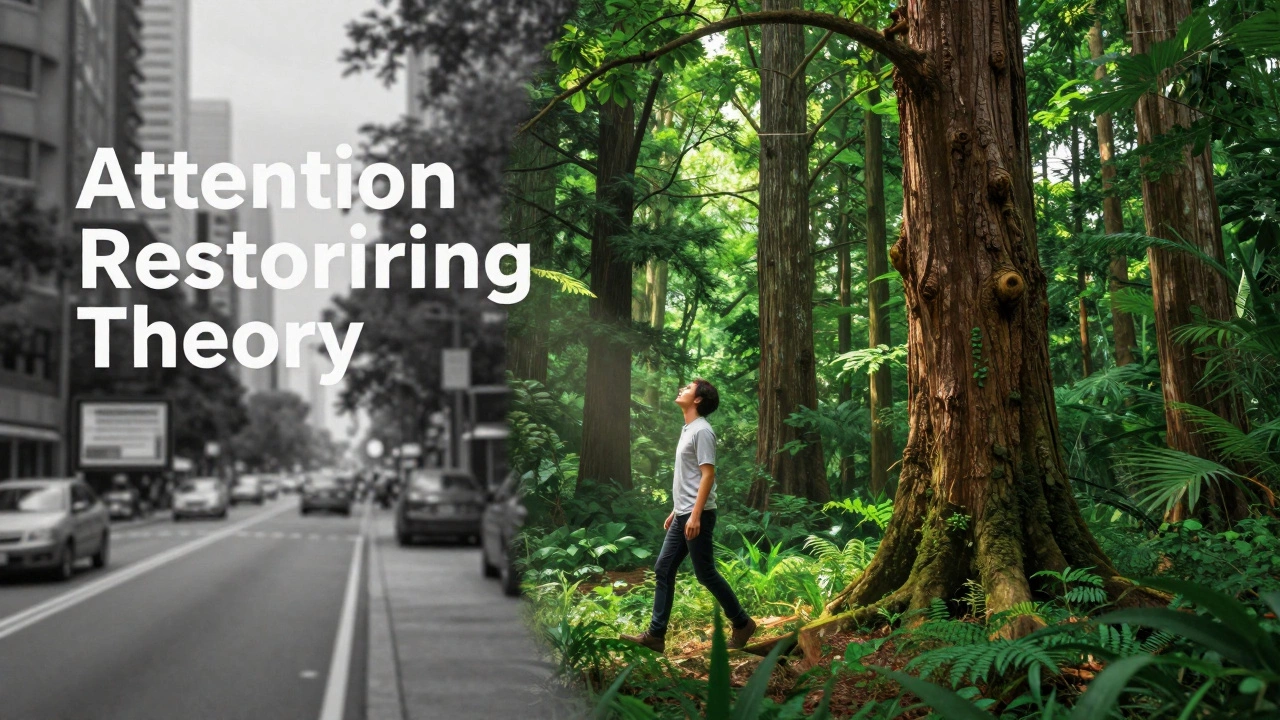
There is a real psychological reason why we are moving toward these short-form escapes. Research into Attention Restoration Theory suggests that urban environments drain our cognitive resources. We spend our days in "directed attention," focusing on emails, traffic, and screens. This leads to mental fatigue.
When you step into a natural environment or a completely new setting, your brain switches to "soft fascination." You aren't focusing on a task; you're just noticing the way the wind moves through trees or the architecture of a new street. This allows your prefrontal cortex to rest. A 48-hour break can actually provide a more significant productivity boost than one long vacation per year because it prevents burnout from building up in the first place.
| Feature | Instant Vacation (Micro-Break) | Traditional Vacation |
|---|---|---|
| Planning Time | Minutes to Hours | Weeks to Months |
| Duration | 24 to 72 Hours | 7 to 21 Days |
| Primary Goal | Mental Reset / Stress Relief | Exploration / Cultural Immersion |
| Budget Impact | Low to Moderate per trip | High per trip |
| Decision Fatigue | Very Low | High |
How to Execute an Instant Vacation Without the Stress
The irony of a spontaneous trip is that it can become stressful if you overthink it. To keep it "instant," you need a system. You can't spend four hours searching for the "perfect" bed and breakfast; that defeats the purpose.
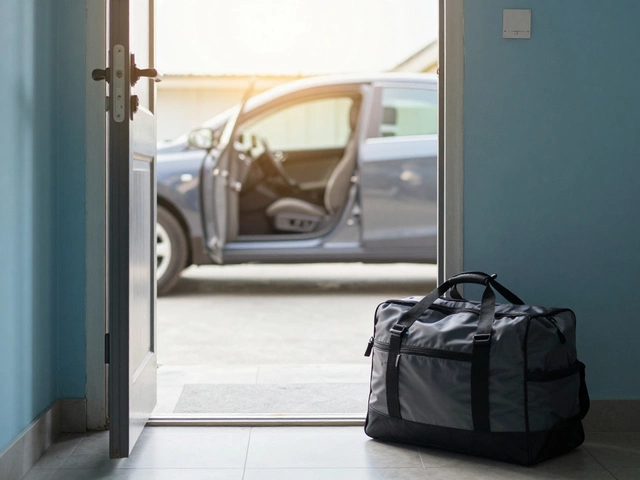
- Build a "Go-Bag": Keep a small bag with basic toiletries, a universal charger, and a versatile outfit. Removing the packing phase cuts down the mental barrier to leaving.
- Create a "Shortlist" of Destinations: Have three pre-vetted options. One nature-based (e.g., a mountain cabin), one urban-based (e.g., a city hotel), and one relaxing-based (e.g., a spa resort). When the urge hits, just pick one.
- Use "Blind Booking" Tools: Use apps or sites that offer surprise destinations or last-minute deals. This removes the agony of choice and adds an element of adventure.
- Set a "No-Work" Boundary: Since these trips are short, there's a temptation to "just check one email." Don't. The psychological benefit of an instant vacation comes from total disconnection.
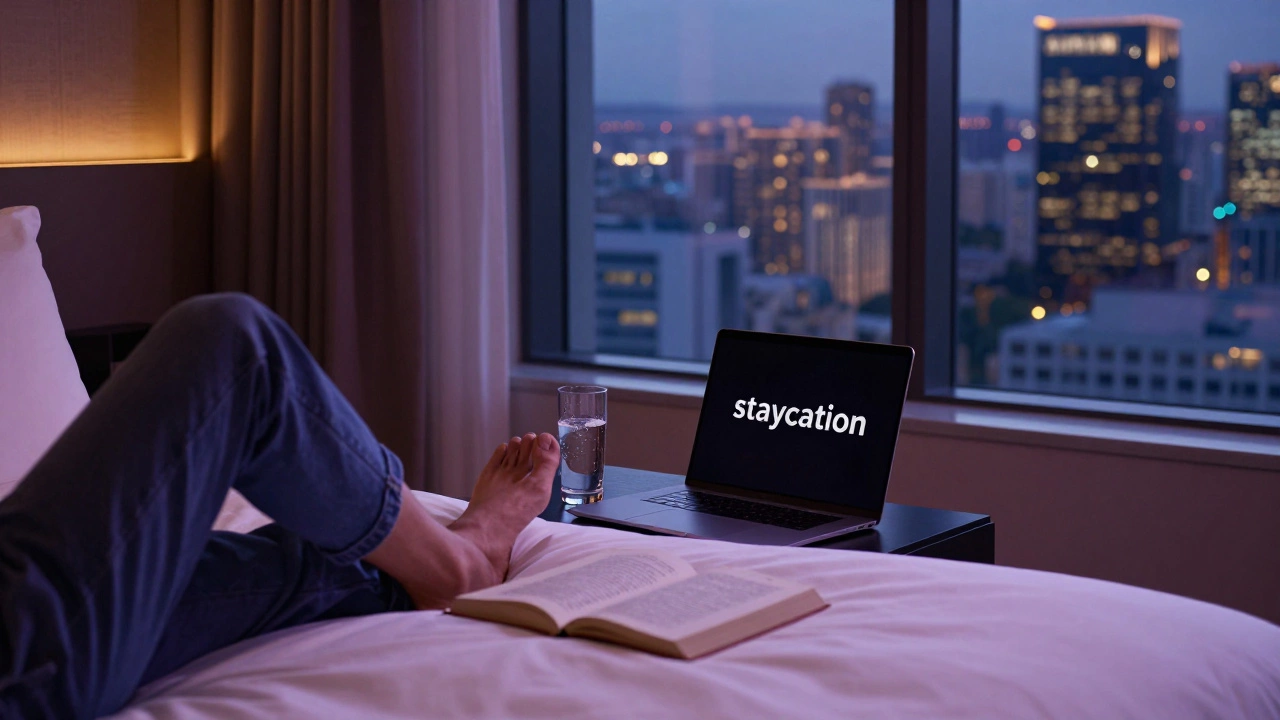
Consider the scenario of a freelancer who has been staring at a screen for ten days straight. Instead of waiting for a summer holiday, they book a Staycation-a type of instant vacation where you stay in your own city but book a hotel in a different neighborhood. By changing their environment, they trick their brain into feeling like they've traveled 500 miles, sparking new creative ideas without the jet lag.
Common Pitfalls to Avoid
Not every short trip is an instant vacation. Some people accidentally turn these breaks into "errand trips." If you spend your weekend getaway visiting your dentist in another town or shopping for a new wardrobe, you aren't resting; you're just multitasking in a different location.
Another mistake is the "Sights-Seeing Trap." Many travelers try to cram a two-week itinerary into a two-day window. They visit five museums, three monuments, and ten restaurants, ending the weekend more tired than when they started. To truly experience an instant vacation, you must embrace Slow Travel principles. Pick one thing to do-maybe a long walk in a park or a single fancy dinner-and let the rest of the time be unplanned.
Connecting the Dots: From Micro-Breaks to Lifestyle
When you start integrating instant vacations into your life, you stop viewing travel as a rare event and start seeing it as a maintenance tool. It's like a software update for your brain. Instead of crashing because you haven't had a break in six months, you perform small, frequent resets.
This approach connects deeply with the concept of Wellness Tourism. You aren't traveling to see a landmark; you're traveling to change your state of mind. This shift in perspective allows you to find vacation-like experiences in the smallest of gaps. A trip to a botanical garden on a Tuesday afternoon can be a mini-instant vacation if you treat it with the same intention as a trip to Paris.
Do instant vacations cost more than planned trips?
Not necessarily. While last-minute flights can be pricey, instant vacations usually focus on closer destinations, reducing transport costs. Since the duration is shorter, you spend less on food and lodging overall, even if the nightly rate at a boutique hotel is higher than a budget rental.
How short can an instant vacation be?
As short as 24 hours. A "sleeper" trip-where you drive to a nearby city, have a great dinner, stay overnight, and return the next morning-is a valid instant vacation as long as it provides a mental break from your normal routine.
Can I do an instant vacation alone?
Absolutely. In fact, solo instant vacations are often more effective because they remove the need for coordination and compromise. You can change your plan on a whim without checking with anyone else, which maximizes the feeling of freedom.
What is the best way to find last-minute deals?
Use "secret deal" sites or hotel apps that offer deep discounts for rooms that are still empty for the coming night. Many luxury hotels drop their prices significantly 24-48 hours before a date to avoid having empty inventory.
Is a staycation considered an instant vacation?
Yes, provided you change your environment. Staying in your own bed and watching Netflix isn't an instant vacation. Booking a hotel in your own city, visiting a museum you've never been to, and eating at a new restaurant creates the necessary sensory shift to count as a micro-break.