Cultural Sites India: Top Sacred Temples, Heritage Towns, and Living Traditions
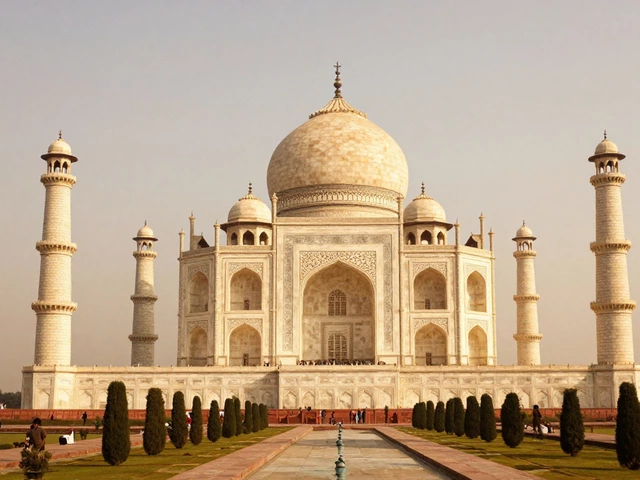
When you think of cultural sites India, places where history, faith, and daily life merge into one living experience. Also known as heritage destinations, these aren’t just old buildings—they’re active centers of devotion, art, and community that have shaped Indian identity for centuries. From the golden silence of Chidambaram’s empty shrine to the thunderous crowds at Kumbh Mela, these sites don’t just welcome visitors—they transform them.
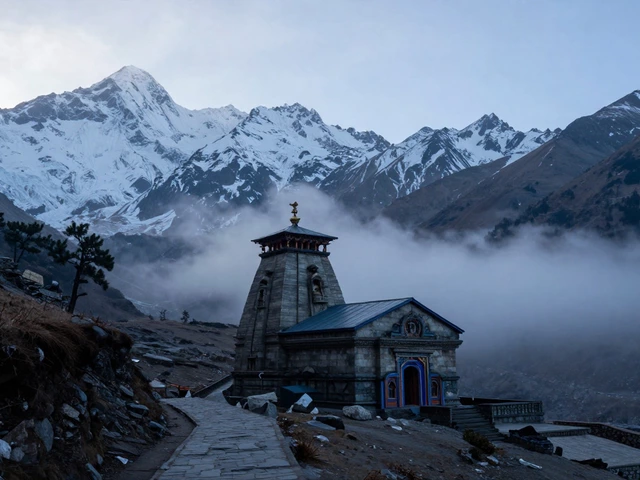
What makes a site truly cultural isn’t its age, but its meaning. Take Rameshwaram, a sacred island temple where Hindu pilgrims believe Lord Rama built a Shiva lingam to atone for his sins. Also known as a Jyotirlinga and Char Dham, it’s one of the few places in India that holds both titles—making it a double pilgrimage anchor for millions each year. Then there’s Chidambaram’s Nataraja Temple, the only temple in India where the main deity isn’t an idol but an empty space under a golden canopy, symbolizing the formless divine. Also known as the temple of cosmic dance, it blends ancient physics, spiritual philosophy, and architecture in a way no other site does. These aren’t tourist stops—they’re spiritual waypoints, places where people come to remember who they are, not just what they see.
India’s cultural sites don’t live in museums. They breathe in the chants of priests, the footsteps of pilgrims, the colors of festivals like Diwali that turn entire cities into light. You’ll find them in the narrow alleys of Panchgani, where Tuscan-style roofs whisper of colonial pasts, and in the bustling ghats of Varanasi, where fire and water meet in daily rituals older than empires. These places aren’t preserved—they’re practiced. Every offering, every prayer, every step taken on a temple path keeps the culture alive.
If you’re looking for more than photos and guidebooks, you’ll find real stories here. The posts below cover the hidden truths behind India’s most talked-about places: why Rameshwaram is both a Jyotirlinga and Char Dham, how Chidambaram’s empty shrine defies all temple norms, and why festivals like Kumbh Mela draw more people than any event on Earth. You’ll also see how ethnic tourism connects you to tribal communities, how pilgrimage routes shape travel across the country, and why some of India’s most powerful cultural experiences have nothing to do with crowds or cameras. This isn’t a list of places to check off. It’s a guide to understanding what makes India’s soul unforgettable.
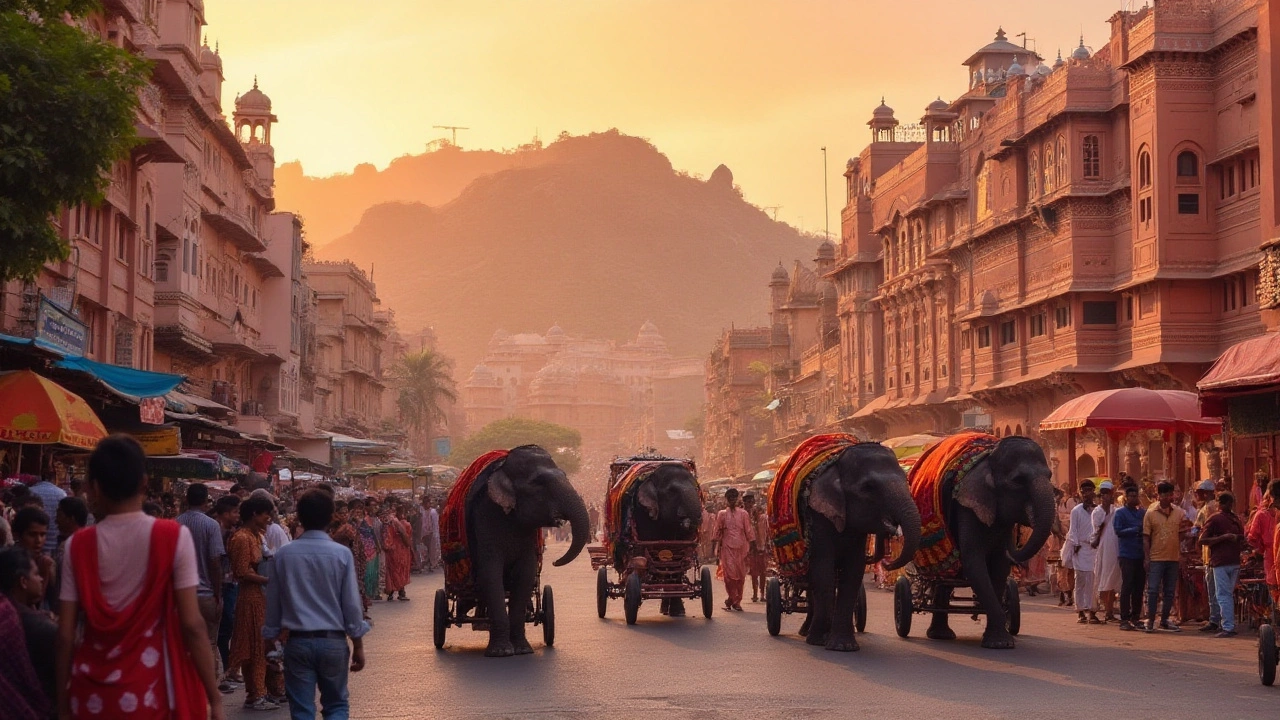
Exploring India's Enchanting UNESCO World Heritage City
India, a vivacious tapestry of history and culture, boasts several cities recognized as UNESCO World Heritage Sites. These cities, intrinsically representing the multidimensional cultural legacy of the Indian subcontinent, draw countless travelers. From the ancient architecture of Jaipur to the spiritual lanes of Varanasi, each city offers a unique glimpse into India's rich past. Discover what makes these cities globally significant and captivating.