Find Your Perfect Indian Hill Station
Not sure which state has the most suitable hill stations for your trip? Answer these quick questions to find your ideal destination.
State Name
Best Time to Visit
N/A
Key Features
N/A
Based on official tourism data and traveler reviews from India's major hill regions.
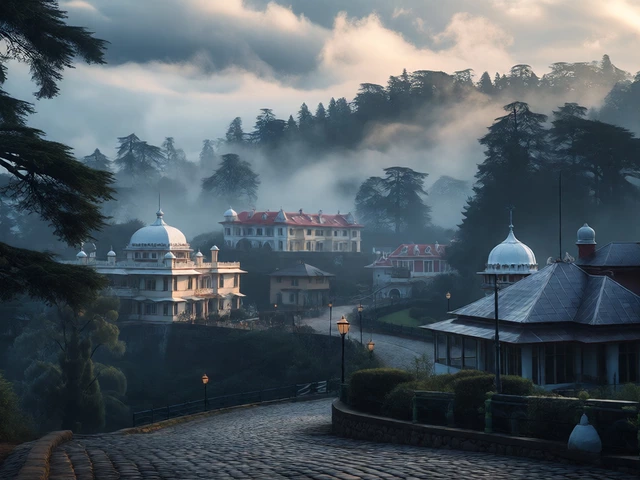
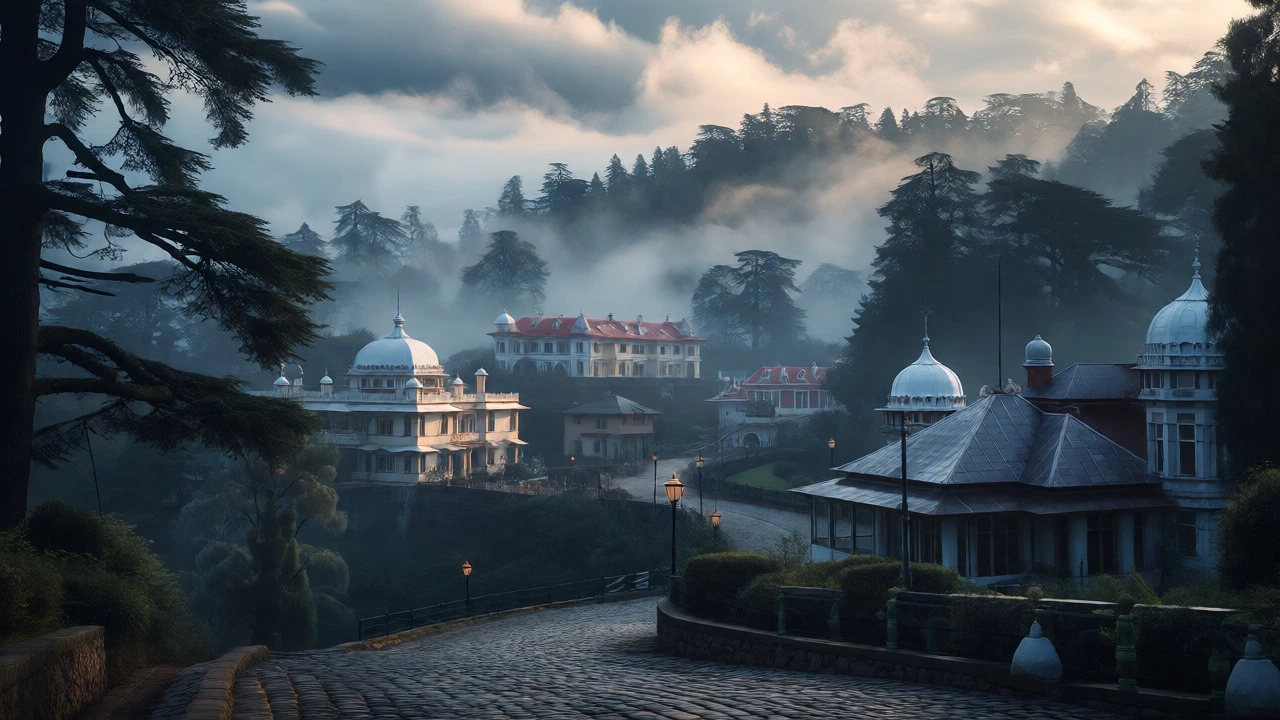
You’re scrolling through Instagram, seeing photos of misty mountains and colonial-era bungalows, and a question pops into your head: which state has most hill stations? It’s a fair question. India is massive, geographically diverse, and packed with elevated escapes. But if you want the highest concentration of these cool-weather retreats, the answer isn’t just one simple name-it’s a battle between two northern giants.
The short answer? Uttarakhand and Himachal Pradesh are neck-and-neck for the title, depending on how you count them. However, if we look at official government tourism lists and established resorts recognized by the Ministry of Tourism, Himachal Pradesh often edges out slightly in sheer number of named destinations. But don’t let that distract you from the real value here. Knowing which state has more doesn’t help you plan a trip unless you know what each region actually offers. Do you want snow-capped peaks or tea plantations? Colonial history or adventure sports? Let’s break down the contenders so you can pick the right mountain range for your next holiday.
Why Himachal Pradesh Often Takes the Crown
Himachal Pradesh, known as "Dev Bhoomi" (Land of Gods), sits in the western Himalayas. It boasts over 100 designated hill stations and resorts. Why does it have so many? Geography plays a huge role. The state spans from the sub-tropical valleys of Kangra to the high-altitude deserts of Spiti. This vertical diversity means you can find cool weather almost everywhere above 1,500 meters.
Think about Shimla. It was the summer capital of British India, so infrastructure there is mature. You’ve got wide roads, historic architecture, and easy access. Then there’s Manali, which serves as a gateway to Ladakh. And let’s not forget Dharamshala, home to the Tibetan government-in-exile. Each of these spots draws millions because they offer distinct experiences within the same state. If you’re counting purely by volume of tourist infrastructure, Himachal wins. The density of hotels, cafes, and tour operators per kilometer of road is unmatched.
But quantity isn’t always quality. Some travelers find Himachal crowded, especially during peak seasons like June and July. Traffic jams on the Kullu-Manali highway are legendary. So, while it has the most stations, it also has the most tourists. Is that a dealbreaker for you?
Uttarakhand: The Underrated Challenger
Now, let’s talk about Uttarakhand. Formerly part of Uttar Pradesh, this state carved itself out in 2000. It holds roughly 80-90 recognized hill stations. Yes, that’s fewer than Himachal on paper. But here’s the twist: Uttarakhand’s stations are often less commercialized. Take Mussoorie, the "Queen of Hills." It’s beautiful, yes, but nearby spots like Lansdowne and Almora feel quieter, slower, and more authentic.
Uttarakhand appeals to people who want spiritual depth alongside natural beauty. Rishikesh and Haridwar aren’t traditional "hill stations" in the colonial sense-they’re pilgrimage centers-but they sit in foothills and offer similar climate relief. If you include these spiritual hubs, Uttarakhand’s numbers skyrocket. For trekkers, the Garhwal region offers world-class routes like the Valley of Flowers. Himachal has trekking too, but Uttarakhand’s trails are often longer and more challenging. If your definition of a "hill station" includes base camps for serious hiking, Uttarakhand might actually be your top pick.
The Southern Contenders: Kerala and Tamil Nadu
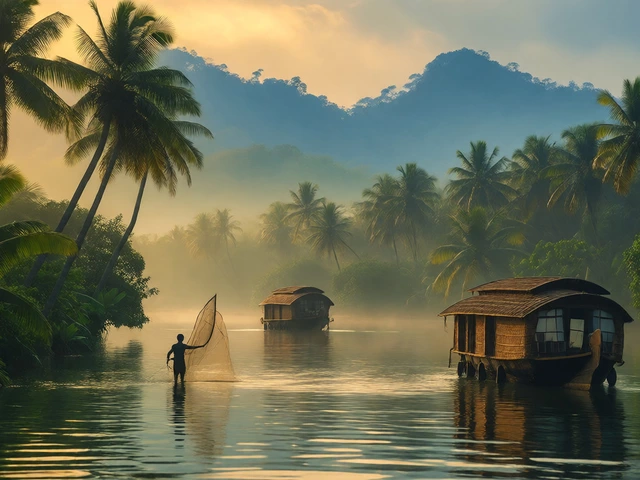
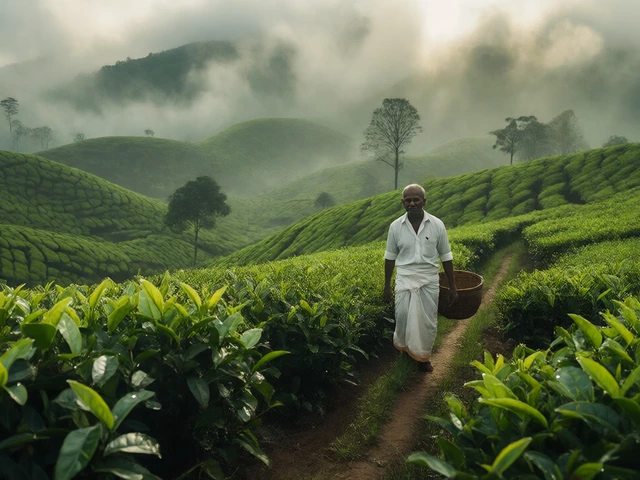
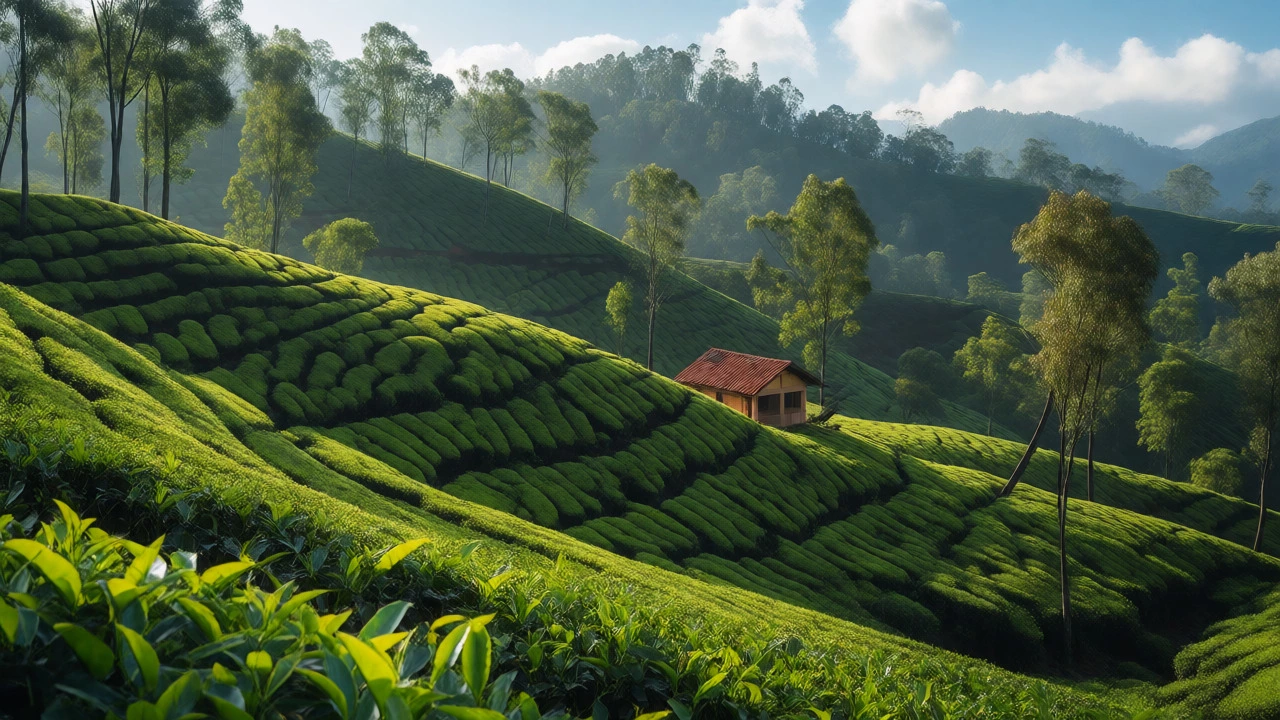
Wait, didn’t we say the north dominates? Geographically, yes. But if you live in South India or prefer milder winters, you shouldn’t ignore the Western Ghats. Kerala has fewer stations, maybe around 10 major ones, but they are iconic. Munnar is famous for its rolling tea gardens. Wayanad offers dense forests and wildlife sanctuaries. These places don’t get snow, but they stay cool year-round due to elevation and vegetation.
Tamil Nadu is another key player. Ooty (Udhagamandalam) and Kodaikanal are staples of Indian travel. Ooty even has a heritage toy train running through Nilgiri hills. While Tamil Nadu doesn’t have 100 stations, the ones it has are highly developed and accessible. For families with young kids or elderly parents, the southern hills are often easier to navigate than the winding, steep roads of the upper Himalayas. Plus, the food is incredible-think fresh spices, banana chips, and filter coffee.
Comparing the Heavyweights: A Quick Look
To make this decision easier, let’s compare the top states side-by-side. We’ll look at climate, accessibility, and crowd levels. This table highlights why you might choose one over the other.
| State | Approx. Number of Stations | Best Time to Visit | Key Feature | Crowd Level |
|---|---|---|---|---|
| Himachal Pradesh | 100+ | Mar-Jun, Sep-Nov | Snow, Adventure Sports | High |
| Uttarakhand | 80-90 | Apr-Jun, Oct-Dec | Trekking, Spirituality | Moderate |
| Kerala | 10-15 | Oct-Feb | Tea Gardens, Wildlife | Moderate |
| Tamil Nadu | 10-12 | Year-round | Colonial History, Coffee | High |
| West Bengal | 5-7 | Oct-May | View of Everest, Tea | Low to Moderate |
Notice the pattern? The northern states win on quantity. The southern and eastern states win on niche appeal. West Bengal, with Darjeeling and Kalimpong, offers the only clear view of Mount Everest from certain points. That’s a unique selling point no amount of extra hill stations in Himachal can match.
How to Choose Your Mountain Escape
So, which state should you book? Stop looking at the total count. Start looking at your personal preferences. Here’s a simple guide:
- Choose Himachal Pradesh if: You want snow, paragliding, or skiing. You don’t mind traffic. You enjoy bustling marketplaces and well-known landmarks like the Ridge in Shimla or the Old Manali cafe scene.
- Choose Uttarakhand if: You love yoga, meditation, or long treks. You prefer smaller towns with local charm over big resort complexes. You want to visit temples along the way.
- Choose Kerala or Tamil Nadu if: You hate extreme cold. You want greenery, waterfalls, and good food. You need family-friendly accommodations with elevators and easy walking paths.
- Choose West Bengal if: You are a tea lover. You want to see the sunrise over Kanchenjunga. You prefer a slower pace of life.
Remember, "most hill stations" doesn’t mean "best vacation." It just means more options. Sometimes, having too many options leads to analysis paralysis. Pick one region, pick two towns, and stick to them. You’ll have a richer experience than trying to hopscotch across five different states in ten days.
Pitfalls to Avoid When Planning
One common mistake travelers make is assuming all hill stations are equally accessible. They aren’t. Roads in Himachal and Uttarakhand are prone to landslides during monsoon season (July-September). If you plan to go then, check daily weather updates. In contrast, Kerala’s hills are lush and wet during monsoon, but roads rarely close completely. Just expect slippery surfaces.
Another trap is booking last minute during holidays. Places like Manali and Ooty fill up fast. Prices triple during Diwali or Christmas. If you want peace, go in shoulder seasons-April/May or September/October. The weather is still pleasant, but crowds are thinner. Also, verify altitude sickness risks. Above 3,000 meters, some people get headaches. Acclimatize properly if you’re going to Spiti Valley or high-altitude parts of Sikkim (another underrated contender).
Finally, respect the environment. Many hill stations struggle with waste management. Plastic bans are common. Carry reusable bottles. Don’t feed monkeys or stray dogs; it changes their behavior and can lead to bites. Sustainable travel keeps these places beautiful for the next visitor.
Which state has the most hill stations in India?
Himachal Pradesh generally has the highest number of officially recognized hill stations, with over 100 locations ranging from popular resorts to remote villages. Uttarakhand follows closely with around 80-90 stations, offering a mix of tourist hubs and spiritual centers.
Is Uttarakhand better than Himachal Pradesh for trekking?
Many experts consider Uttarakhand superior for serious trekking due to its extensive network of high-altitude trails, such as the Valley of Flowers and Kedarkantha. Himachal Pradesh offers great trekking too, particularly in Spiti and Parvati Valley, but Uttarakhand’s proximity to Delhi makes it a more frequent weekend destination for trekkers.
Do southern hill stations get snow?
No, southern hill stations like Munnar in Kerala or Ooty in Tamil Nadu do not receive snow. They remain cool year-round due to elevation and vegetation but lack the freezing temperatures found in the Himalayan regions of Himachal Pradesh and Uttarakhand.
Which hill station is closest to Delhi?
Mussoorie in Uttarakhand is one of the closest major hill stations to Delhi, reachable in about 6-7 hours by car. Nainital is also relatively close. In Himachal Pradesh, Kasauli is the nearest significant hill station, taking around 4-5 hours from Delhi.
What is the best time to visit hill stations in India?
For northern hill stations, March to June is ideal for pleasant weather and flower blooms. October to November offers clear skies and autumn colors. Avoid July to August if you dislike rain and landslide risks. Southern hill stations are best visited from October to February when the weather is crisp and dry.