Durga Puja: Celebrations, Traditions, and Cultural Roots in India
When you think of Durga Puja, a major Hindu festival celebrating the victory of the goddess Durga over the demon Mahishasura. Also known as Sharadotsav, it’s not just a religious event—it’s the heartbeat of Bengal and a cultural explosion across India. Every year, millions light diyas, build towering pandals, and gather to sing, dance, and offer prayers. It’s the one time when streets turn into open-air galleries, and neighborhoods become stages for art, music, and community pride.
Durga Puja isn’t just about worship. It’s tied to West Bengal festivals, a cluster of cultural events centered around identity, heritage, and collective celebration. While it peaks in Kolkata, you’ll find it celebrated with equal energy in Assam, Odisha, Tripura, and even in cities like Delhi and Mumbai, where Bengali communities keep the tradition alive. The idols of Durga, made from clay and adorned with hand-painted details, are crafted by generations of artisans—each one unique, each one temporary, reminding us that beauty is meant to be experienced, not owned.
What makes Durga Puja different from other festivals? It’s the way it blends devotion with creativity. Families spend months planning, artists compete to build the most stunning pandals, and food stalls line every corner serving litti, luchi, and mishti doi. It’s a festival where strangers become neighbors, and silence turns into drumbeats and chants. Even if you’re not Hindu, you’ll feel it—the energy, the rhythm, the joy. And it’s not just about the final day. The five-day ritual, from Mahalaya to Vijayadashami, moves like a wave—each day with its own meaning, its own rituals, its own quiet moments.
Behind the noise, there’s deep symbolism. Durga represents strength, protection, and the power of the feminine. Her victory isn’t just myth—it’s a reminder that good doesn’t always win with force, but with purpose, wisdom, and unity. That’s why Durga Puja isn’t fading. It’s growing. Young people are designing eco-friendly idols. Tech-savvy families live-streaming rituals to relatives abroad. Local businesses are turning the festival into a cultural economy. It’s alive because it’s not stuck in the past—it’s being rewritten every year.
Below, you’ll find real stories and insights from people who live this festival—not just observe it. From the quiet prep of idol makers at dawn, to the chaos of the final immersion, these posts capture what Durga Puja truly means today. Whether you’re planning to attend, curious about its roots, or just love how culture comes alive in India, you’ll find something here that stays with you.
What Is India's Most Beloved Festival? Diwali, Durga Puja, and the Heart of Indian Celebration
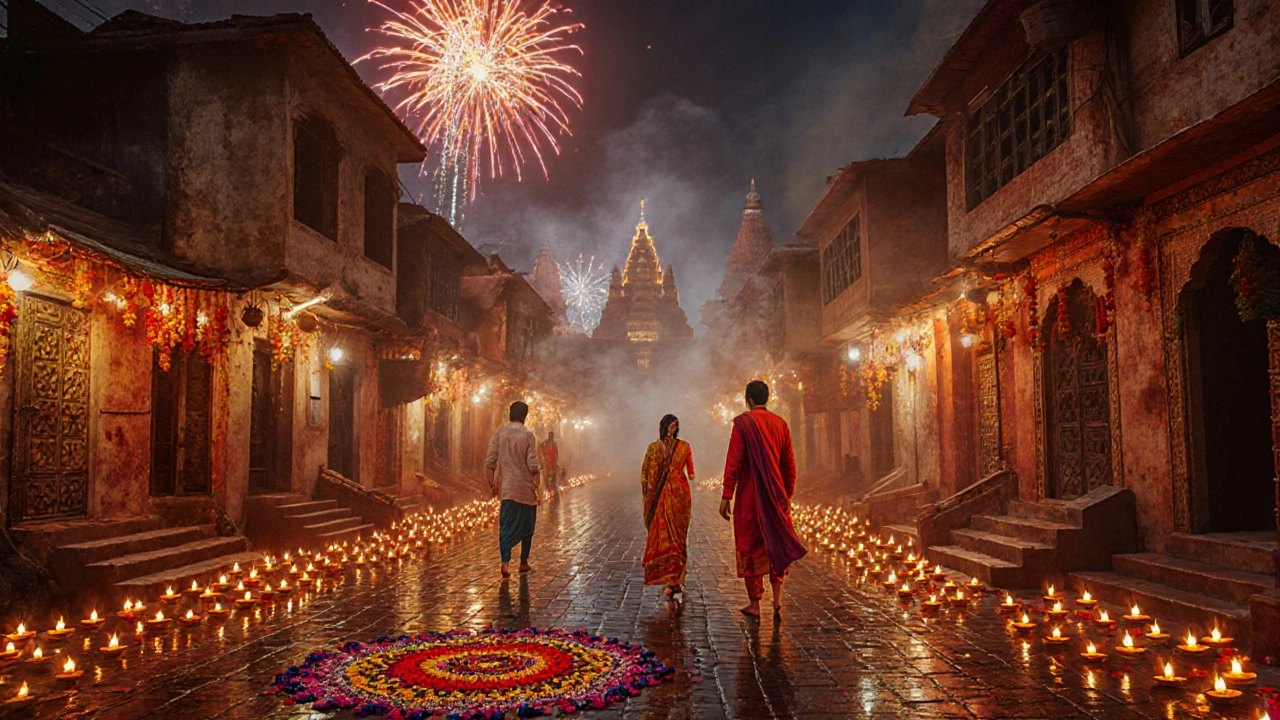
Diwali is India's most beloved festival, uniting millions across religions and regions with lights, rituals, and joy. Learn why it stands above Durga Puja and Holi, how it transforms temple tours, and what makes it truly unforgettable.