Best Time to Visit India: When to Go for Weather, Festivals, and Wildlife
When planning a trip to India, a country with extreme seasonal shifts, diverse ecosystems, and major religious celebrations. Also known as the Indian subcontinent, it’s not just about picking a month—it’s about matching your travel goals to the rhythm of the land. If you want to spot tigers in Ranthambore or see elephants in Bandipur, you need to know when the dry season opens up the forests. If you’re chasing Diwali lights or the chaos of Kumbh Mela, you’re tied to the lunar calendar. And if you’re heading to Kerala or the Himalayas, rain and snow can make or break your trip.
The best time to visit India, typically spans from October to March. This window gives you cool mornings, clear skies, and low humidity across most regions. It’s when North India wakes up—Delhi, Agra, and Jaipur become pleasant, not sweltering. It’s also when wildlife sanctuaries see the highest animal activity, as water sources shrink and animals gather near them. Meanwhile, South India stays warm but dry, making it perfect for temple tours in Rameshwaram or beach time in Goa. But don’t ignore the monsoon. June to September brings heavy rain, yes, but also lush greenery, fewer crowds, and unique cultural events like Onam in Kerala. And if you’re brave enough, trekking in the Himalayas during spring (April–May) means blooming rhododendrons and clearer mountain views. The festival calendar, a key factor in timing your visit. Also known as India’s religious rhythm, it’s not just about sightseeing—it’s about being part of something alive. Diwali in October/November turns entire cities into glowing wonderlands. Holi in March is a riot of color you’ll never forget. And if you time it right, you can witness the Kumbh Mela, the world’s largest human gathering, which rotates between Prayagraj, Haridwar, Nashik, and Ujjain every three years. Even the weather patterns, from the scorching heat of May to the chill of December in Ladakh. Also known as India’s climate zones, they’re not random—they’re predictable. Plan around them, and you avoid stranded buses in flooded roads or heatstroke on a Taj Mahal visit.
There’s no single perfect time to visit India. But there’s a perfect time for you. Whether you’re chasing wildlife, culture, or quiet mountains, the right season turns a good trip into a great one. Below, you’ll find real travel stories from people who got it right—and some who didn’t. Use their experiences to pick your season, pack smart, and skip the guesswork.
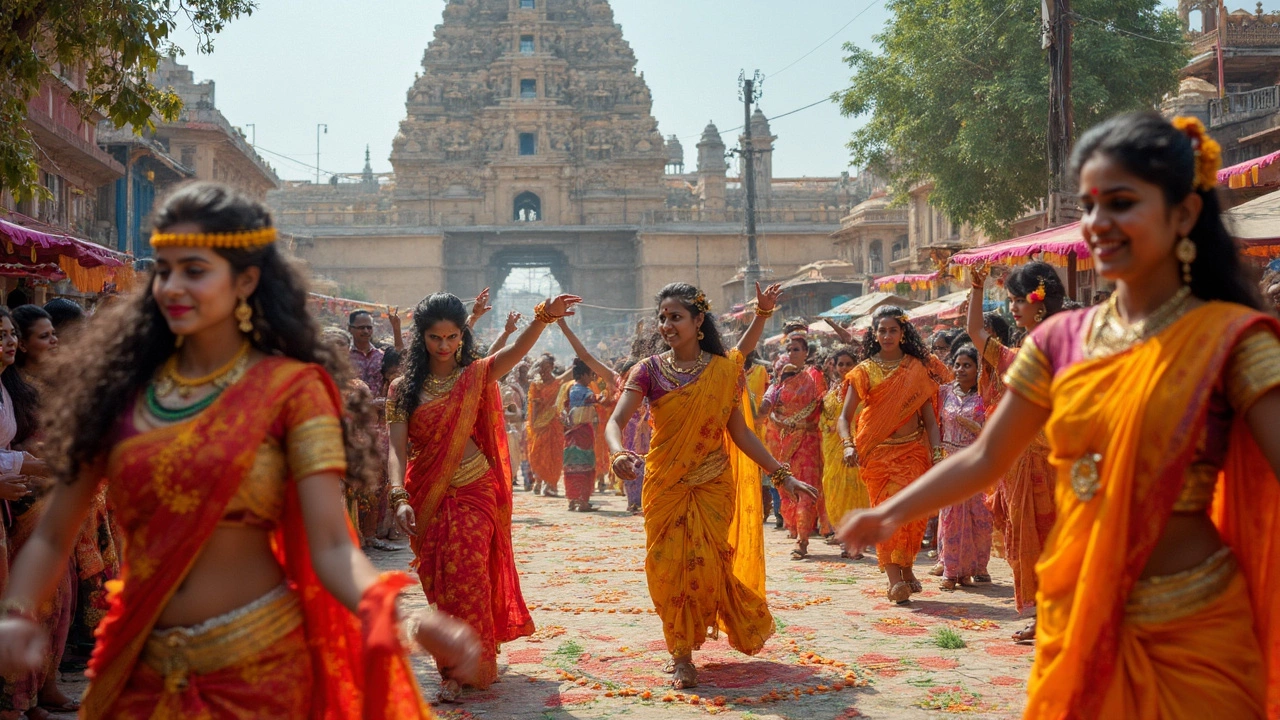
Best Time to Visit Tamil Nadu: A Traveler's Guide
Discover the ideal time to explore Tamil Nadu, one of South India's gems, packed with historical sites, vibrant culture, and stunning landscapes. From the pleasant winter months when the weather is just right for sightseeing, to the lesser-known monsoon season that brings lush greenery and cooler temperatures. Learn about festivals, cultural events, and practical travel tips, so you can make the most out of your visit.