Cultural Tourism Impact Calculator
Select the options that best describe your planned trip to an Indian cultural destination. This tool estimates your potential impact based on common tourism patterns.
Your Impact Score
Impact Breakdown
Personalized Tips for Better Travel
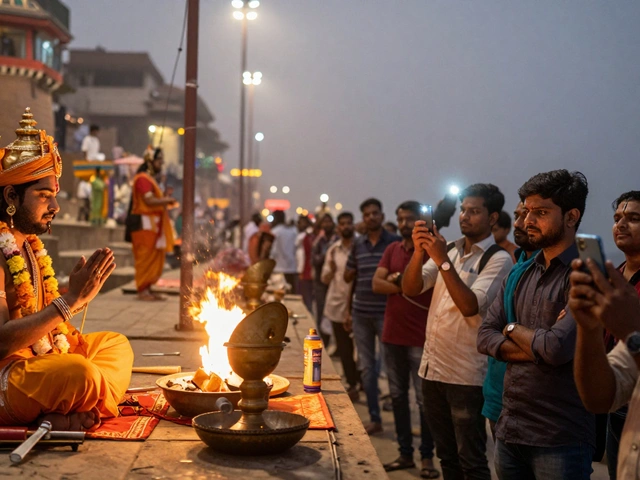
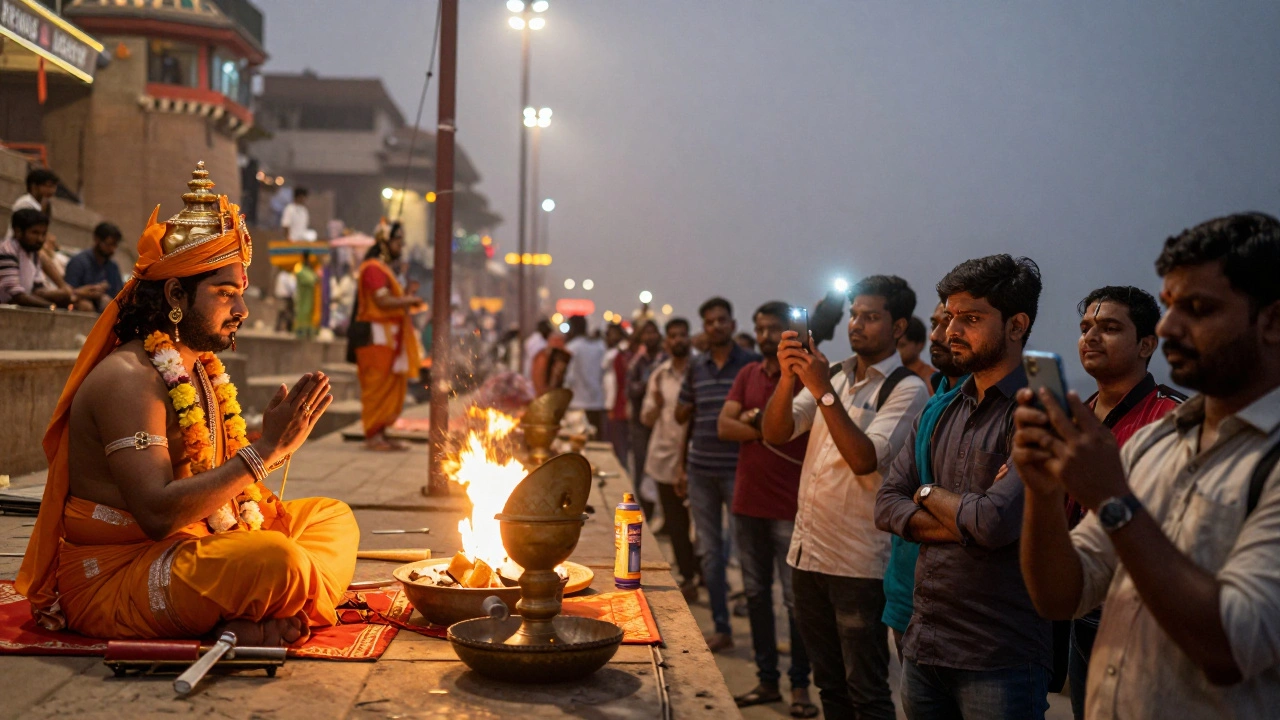
You’ve seen the photos. The vibrant chaos of a Varanasi ghat at dawn, the intricate carvings of a Khajuraho temple, or the colorful streets of Jaipur. It looks magical. But have you ever stopped to ask what happens when millions of people chase that magic? Cultural tourism is travel motivated by the desire to experience the history, arts, and lifestyle of a destination. In India, this sector is a massive economic engine. Yet, beneath the surface of smiling guides and ancient ruins lies a complex web of problems. The influx of visitors brings money, yes, but it also brings pressure, change, and often, unintended harm.
We need to talk about the downsides. Not because we should stop traveling, but because we need to travel better. If you are planning a trip to India’s cultural heartlands, understanding these disadvantages helps you make choices that protect the very culture you came to see.
The Erosion of Authenticity: When Culture Becomes a Product
One of the most subtle yet damaging effects of cultural tourism is commodification is the process of turning cultural practices into sellable goods for tourists. Imagine a sacred ritual performed for centuries by a specific community. Now, imagine that same ritual being shortened, simplified, and scheduled specifically for your lunch break. This isn’t just an inconvenience; it’s a distortion of reality.
In places like Goa or parts of Kerala, traditional festivals have evolved. Locals still celebrate, but the public face of these events has shifted to cater to visitor expectations. You might find that the “traditional” dance performance you paid to watch is actually a modern interpretation designed to be visually striking rather than culturally accurate. The deeper spiritual or social meaning is lost, replaced by entertainment value. This creates a feedback loop: tourists expect a certain “look,” so locals provide it, gradually eroding the original practice until only a shell remains.
This phenomenon is known as “staged authenticity.” It leaves visitors with a superficial understanding of the culture and deprives the local community of the agency to define their own traditions on their own terms. Instead of experiencing life as it is lived, you are watching a play where the script was written by the tourism industry.
Over-Tourism and Physical Damage to Heritage Sites
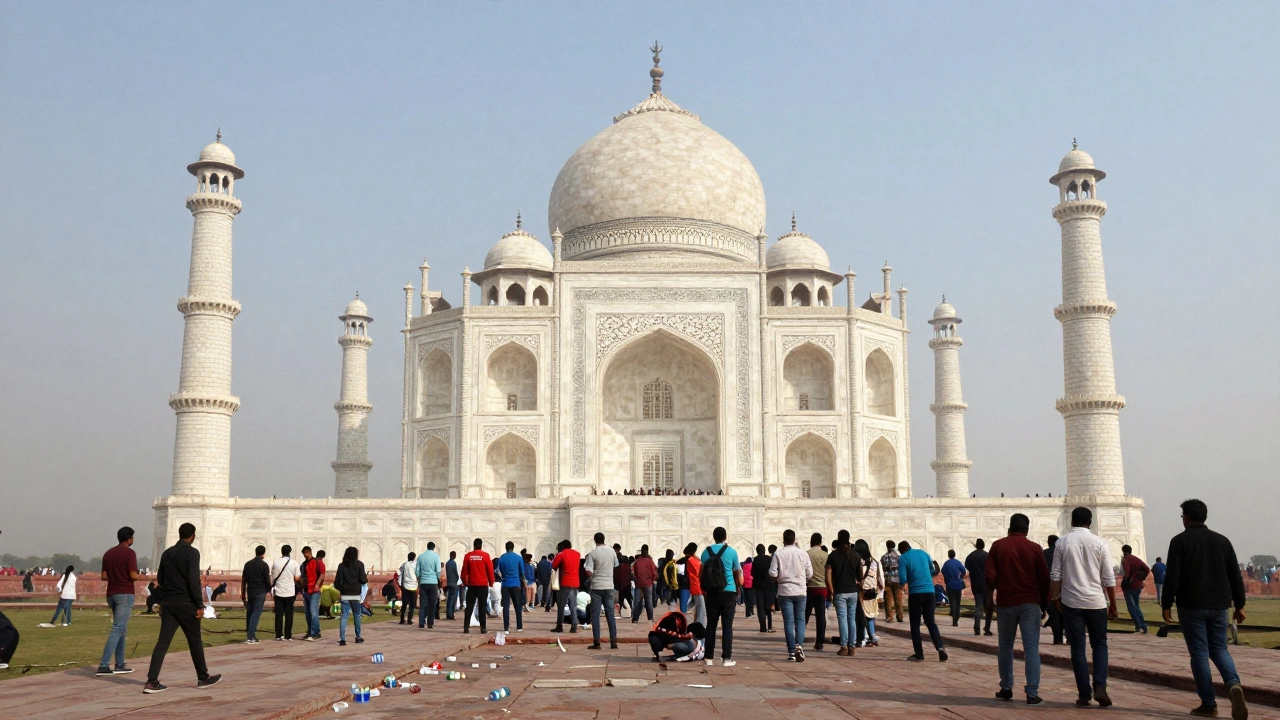
India is home to some of the world’s most fragile historical treasures. The Taj Mahal receives thousands of visitors every single day. While the revenue helps with maintenance, the sheer volume of human traffic causes physical degradation. Carbon dioxide from breath, touch from hands, and vibrations from footsteps all contribute to the slow decay of stone structures that are hundreds of years old.
| Heritage Site | Daily Visitor Estimate | Primary Risk Factor |
|---|---|---|
| Taj Mahal | 30,000 - 40,000 | Air pollution & physical wear |
| Hampi Ruins | 5,000 - 10,000 | Vandalism & infrastructure strain |
| Ajanta Caves | 2,000 - 3,000 | Humidity changes & light damage |
Beyond the monuments themselves, the surrounding ecosystems suffer. To accommodate tourists, infrastructure expands rapidly. Roads cut through natural landscapes, hotels rise near protected zones, and waste management systems are overwhelmed. In Ladakh, a high-altitude desert region, the influx of motorbikes and cars has led to severe plastic pollution and fuel spills, threatening the delicate alpine environment. The beauty that draws you there is often degraded by the means used to get you there.
Socio-Economic Displacement and Rising Living Costs
When a neighborhood becomes a tourist hotspot, the cost of living inevitably rises. This is not unique to India, but the scale here can be dramatic. In cities like Delhi or Mumbai, areas close to major attractions see property prices skyrocket. Local residents, who cannot compete with the rental yields offered by short-term stays or boutique hotels, are forced to move out.
This leads to gentrification is the displacement of lower-income residents due to rising costs driven by development and tourism. The vibrant local markets that once served the community transform into souvenir shops selling mass-produced trinkets made elsewhere. You lose the ability to buy fresh vegetables from a neighbor and instead find yourself buying overpriced spices from a vendor whose primary customer is you, the outsider.
Furthermore, the jobs created by tourism are often low-wage and seasonal. While a few wealthy entrepreneurs profit, many locals end up in precarious service roles with little job security. The economic benefits do not always trickle down evenly, leading to resentment and a widening gap between those who benefit from tourism and those who bear its burdens.
Cultural Friction and Loss of Privacy
For many travelers, the idea of “immersing” themselves in another culture is appealing. But for the locals, constant observation can feel invasive. Imagine going about your daily routine-washing clothes, praying, or simply walking home-and having strangers point cameras at you without asking. This loss of privacy is a significant disadvantage of cultural tourism.
In rural villages across Rajasthan or Odisha, communities may feel pressured to perform their culture for outsiders. Children might be pulled out of school to pose for photos, or elders may feel uncomfortable sharing private family stories. This dynamic creates a power imbalance where the tourist holds the gaze, and the local becomes the object. Over time, this can lead to cultural fatigue, where residents begin to resent visitors rather than welcome them.
There is also the issue of behavioral clashes. Tourists accustomed to different norms may inadvertently offend locals. Dressing immodestly at religious sites, ignoring queue etiquette, or bargaining aggressively can create tension. These small frictions accumulate, shaping the local perception of tourists as disruptive forces rather than guests.
Environmental Strain and Resource Depletion
Tourism is resource-intensive. Hotels require vast amounts of water and energy, while restaurants demand food supplies that often come from outside the region. In water-scarce regions like Thar Desert or parts of Maharashtra, this strain is critical. Luxury resorts may offer swimming pools and lush gardens while nearby villages struggle with drought.
The carbon footprint of getting to these destinations is also significant. Domestic flights and long-distance bus rides contribute to greenhouse gas emissions. Once there, the reliance on private vehicles and generators adds to local air pollution. In historic cities with narrow lanes, traffic congestion caused by tour buses reduces air quality for everyone, including the residents who live there year-round.
Waste management is another major challenge. Many heritage sites lack adequate facilities to handle the volume of trash generated by tourists. Plastic bottles, food wrappers, and packaging often end up in drains or open spaces, polluting the environment and detracting from the aesthetic and spiritual value of the location.
How to Travel Responsibly Despite These Challenges
Acknowledging these disadvantages doesn’t mean you should stay home. It means you should travel with intention. Here are practical steps to mitigate your impact:
- Visit off-season: Avoid peak months to reduce pressure on infrastructure and crowds.
- Support local businesses: Eat at family-run restaurants, buy crafts directly from artisans, and hire local guides.
- Respect boundaries: Always ask permission before taking photos of people or entering private spaces.
- Choose eco-friendly accommodations: Look for hotels with clear sustainability policies, such as water conservation and waste reduction.
- Educate yourself: Learn about the history and customs of the place you’re visiting before you arrive. This shows respect and deepens your experience.
By making conscious choices, you can help ensure that cultural tourism remains a force for good, preserving the rich heritage of India for future generations.
Is cultural tourism bad for India?
Not inherently, but unmanaged cultural tourism can lead to negative outcomes like environmental damage, cultural erosion, and economic inequality. The key is sustainable management that prioritizes local well-being over visitor numbers.
What is the biggest problem with overtourism in India?
The biggest problem is the strain on fragile heritage sites and local infrastructure. Places like the Taj Mahal and Varanasi face physical degradation and overcrowding that diminishes the experience for both tourists and residents.
How does tourism affect local culture in India?
Tourism can lead to the commodification of culture, where traditions are altered or simplified to suit tourist expectations. This can result in a loss of authenticity and a shift away from genuine cultural practices toward performative ones.
Can tourists help reduce the negative impacts of cultural tourism?
Yes, by traveling responsibly. This includes visiting during off-peak seasons, supporting local economies, respecting cultural norms, and choosing eco-friendly accommodations. Conscious travel choices can significantly reduce negative impacts.
Why do locals sometimes resent tourists?
Locals may resent tourists due to rising living costs, loss of privacy, and perceived disrespect for local customs. When tourism benefits only a few while burdening the many, it creates social friction and economic disparity.