High-Speed Rail USA: What It Is, Where It’s Growing, and Why It Matters
When we talk about high-speed rail USA, a transportation system designed to move passengers at speeds over 150 mph using dedicated tracks and advanced trains. Also known as bullet train USA, it’s not just about going fast—it’s about connecting cities, cutting car and plane trips, and reducing emissions. Right now, the U.S. lags behind countries like Japan, France, and China, where trains zip between major hubs in under two hours. But that’s starting to change.
The Amtrak, the national passenger railroad service in the U.S., responsible for most long-distance and intercity rail travel is slowly upgrading routes, especially in the Northeast Corridor between Boston and Washington, D.C. The Acela train already hits 150 mph in spots, making it the fastest in the country—but it’s still an exception. New projects are popping up: California’s high-speed rail line from Los Angeles to San Francisco is under construction, even if delayed. Texas is pushing ahead with a Dallas-Houston route, and Florida’s Brightline already runs at 125 mph between Miami and Orlando. These aren’t just dreams—they’re real tracks being laid, real stations being built.
What’s driving this? Traffic. Airports are packed. Gas prices keep climbing. And people want faster, cleaner ways to travel between cities. High-speed rail doesn’t just move people—it moves economies. It creates jobs during construction, boosts tourism, and reduces congestion on highways. Cities like Chicago, Atlanta, and Seattle are already studying how to connect with regional high-speed lines. Even rural areas are seeing potential: better rail could mean more access to healthcare, education, and jobs.
But it’s not just about trains. It’s about rail infrastructure, the tracks, signals, power systems, and stations that make high-speed travel possible. In the U.S., much of the existing rail network was built for freight, not passengers. Upgrading it means buying new signals, building overpasses, and separating freight from passenger lines—a big investment. That’s why federal funding is critical. The 2021 Infrastructure Law poured billions into rail projects, and more is expected.
So where does that leave you? If you’ve ever sat in traffic on I-95 or waited hours at an airport, you know how slow and stressful U.S. travel can be. High-speed rail USA isn’t about replacing cars or planes—it’s about giving you another choice. One that’s faster than driving, more reliable than flying, and kinder to the planet. The pieces are coming together. The tracks are being laid. And soon, you might find yourself boarding a train in one city and stepping out in another, hours earlier than you expected.
Below, you’ll find real stories from travelers, updates on the biggest projects, and comparisons that show just how far the U.S. still has to go—and how close it’s getting.
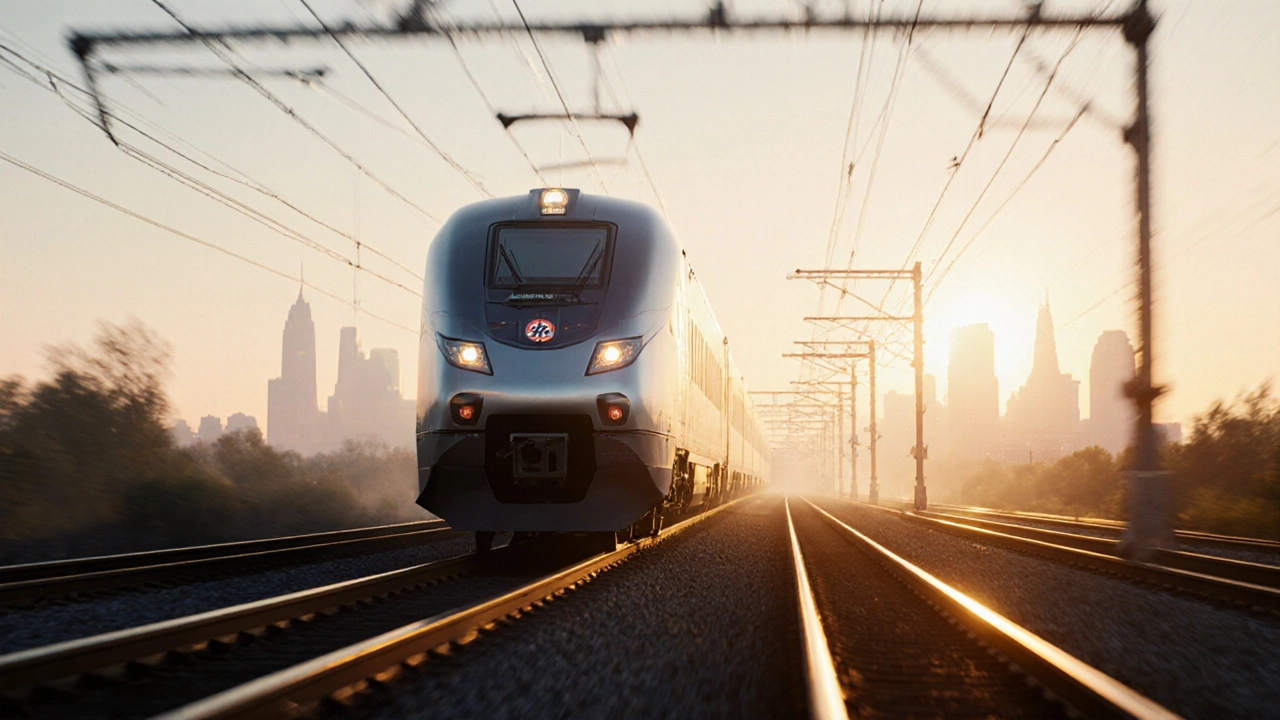
What Is the Most Advanced Train in the US? Meet the New Acela Express
Discover why the new Acela Express is the most advanced train in the US, its specs, routes, passenger perks, and how it compares to other high‑speed services.