Maldives vs. Thailand Trip Cost Estimator
Adjust the sliders below to estimate your total trip expenses. This tool uses average daily costs from recent travel data to help you decide which destination fits your budget.
🇲🇻 The Maldives
🇹🇭 Thailand
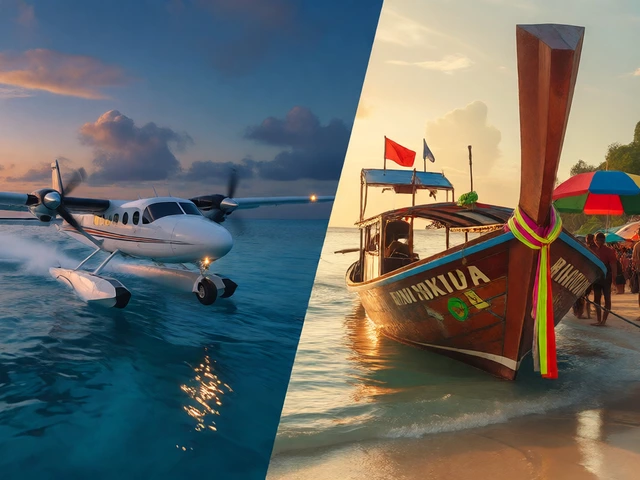
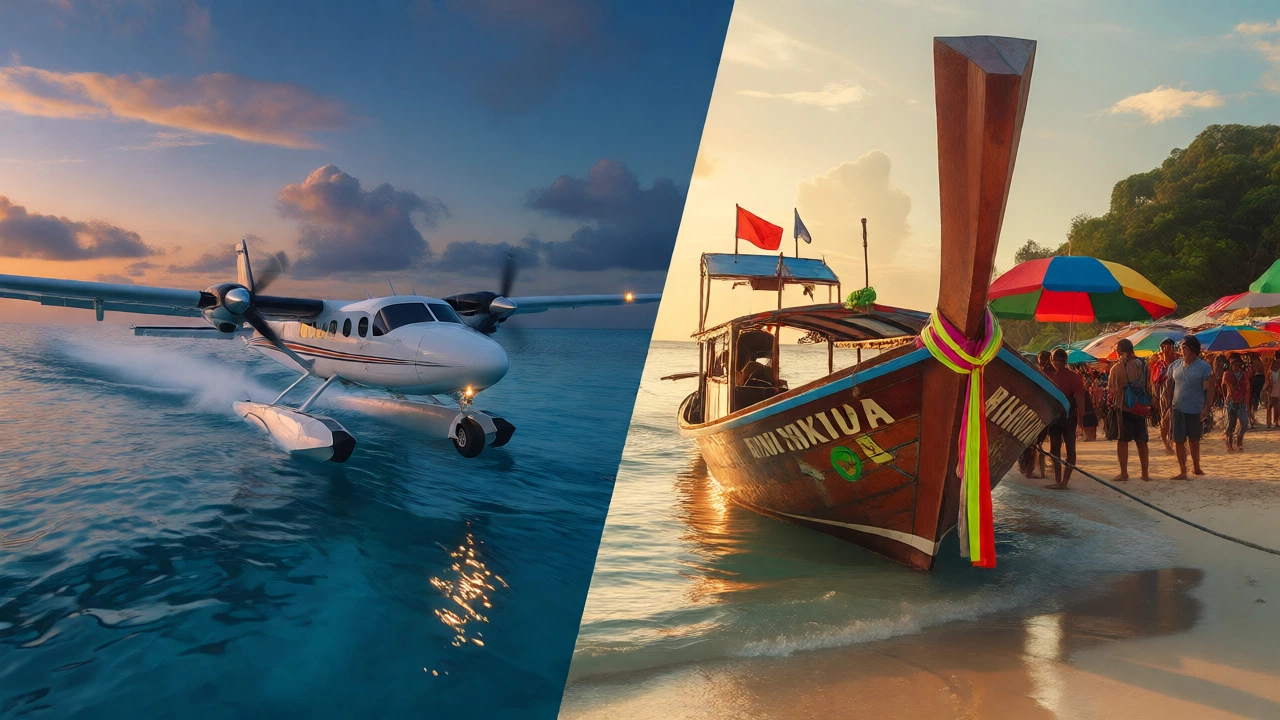
You land in Malé at midnight. The transfer to your resort is a $150 seaplane ride that feels like a bank withdrawal. You check into an overwater villa where the nightly rate has a comma in it. Then you remember your friend just posted a photo from Phuket, sipping a cocktail for five dollars on a beach that looks suspiciously similar. So, is Maldives expensive or Thailand? The short answer: yes, but not always. The long answer depends entirely on how you travel, where you stay, and what you’re actually paying for.
The Real Cost Breakdown: Flights and Transfers
Let’s start with the big ticket item: getting there. If you are flying from Europe or North America, flights to both destinations often cost roughly the same-between $800 and $1,200 round trip depending on the season. But here is where the math changes. In Thailand, once you land in Bangkok or Phuket, you can take a local bus for two dollars or a Grab taxi for ten. In the Maldives, landing in Malé is just step one. Most resorts are on private islands, requiring a speedboat or seaplane transfer. These transfers aren’t included in your hotel bill; they are separate line items ranging from $60 for a nearby speedboat to $400+ for a domestic flight plus seaplane combo. For a family of four, that transfer alone could equal three nights of accommodation in Krabi.
Accommodation: Villa Prices vs. Hotel Value
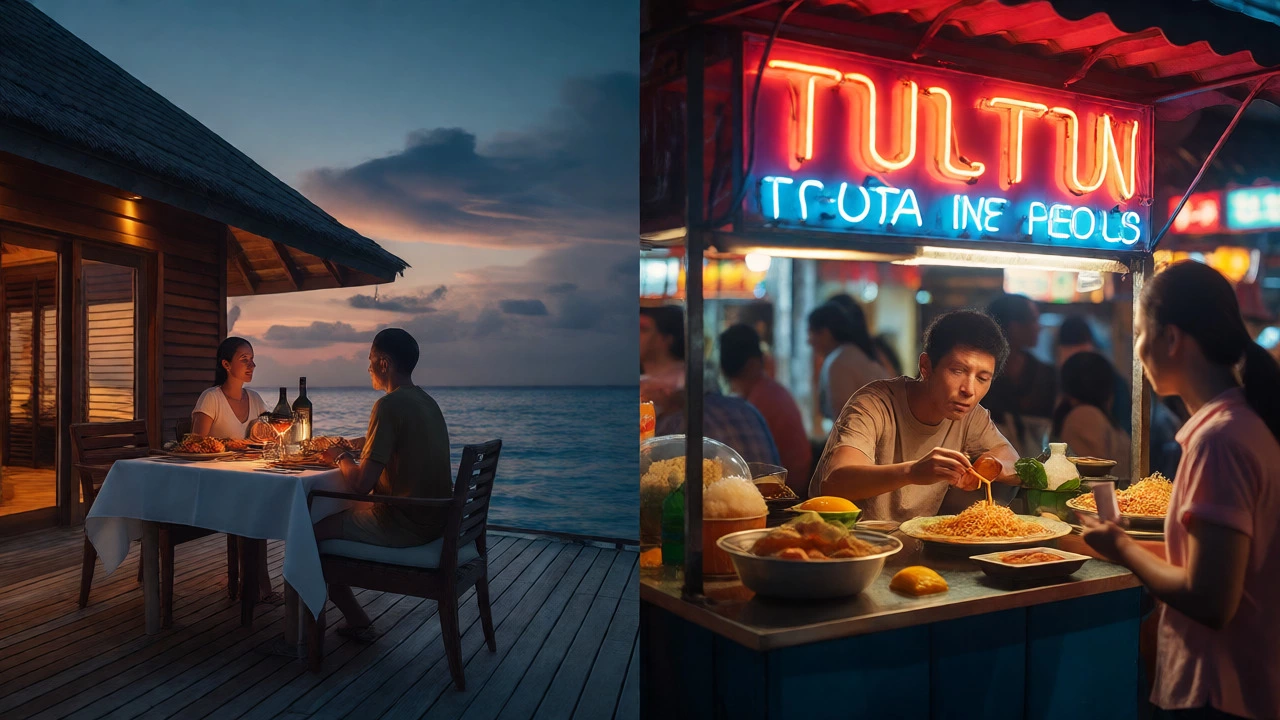
This is where the reputation holds up. The Maldives is famous for its "one island, one resort" model. You are paying for exclusivity, privacy, and direct ocean access. A standard room in a mid-range resort might cost $300-$500 per night. Luxury brands like Soneva or One&Only can hit $2,000+. Thailand offers massive variety. You can find clean, air-conditioned hotels in Bangkok for $40. In tourist hubs like Koh Samui, decent beachfront resorts start around $80-$120. Even luxury properties in Thailand, while beautiful, rarely command the premium prices of their Maldivian counterparts because land isn’t scarce. There is no need to build over water to get an ocean view when you have miles of coastline.
| Expense Category | Maldives (Mid-Range Resort) | Thailand (Beach Resort) |
|---|---|---|
| Accommodation | $350 - $600 | $80 - $150 |
| Food & Drink | $100 - $150 | $20 - $40 |
| Activities/Excursions | $150 - $300 | $30 - $60 |
| Local Transport | $50 - $200 (Transfers) | $5 - $15 |
| Total Daily Estimate | $650+ | $135 - $265 |
Food and Drink: The Hidden Budget Killer
If you think accommodation is the main expense, wait until you order lunch. On a Maldivian resort island, everything is imported. That salad with shrimp? It traveled by plane. A simple beer can cost $12-$15 because alcohol is banned on local inhabited islands and heavily taxed elsewhere. Many resorts operate on All-Inclusive (AI) plans because à la carte dining becomes prohibitively expensive fast. An AI package might add $200 per person per day, but it saves you from sticker shock at the bar. In Thailand, street food is king-and cheap. Pad Thai for $2, mango sticky rice for $1.50, and fresh coconut water for under a dollar. You can eat incredibly well for $20 a day if you avoid tourist-trap restaurants. Alcohol is also significantly cheaper; a Singha beer at a beach bar is often under $2. This disparity means your daily spending power in Thailand stretches five times further than in the Maldives.
Activities: Snorkeling and Tours
Both destinations offer world-class marine life, but the access differs. In the Maldives, the house reef is right off your deck. Snorkeling is free if you bring your own gear. However, guided diving trips, dolphin cruises, or sandbank picnics are resort-operated monopolies. Expect to pay $150 for a half-day snorkel tour that might cost $30 in Thailand. Thailand allows you to hop between islands easily. Longtail boats and ferries connect beaches affordably. Diving courses and tours are competitively priced due to the number of operators. You can book a full-day Phi Islands tour for $25-$40 including lunch and park fees. In the Maldives, leaving your resort island usually requires pre-booked transport back to Malé or another hub, adding logistical friction and cost.
When the Maldives Becomes Affordable
Is it possible to visit the Maldives on a budget? Yes, but it changes the vibe. Instead of private resorts, you can stay on local inhabited islands like Maafushi or Fulidhoo. Guesthouses here cost $50-$80 per night. You eat at local cafes serving tuna curry for $5. You use public ferries instead of seaplanes. You lose the luxury service and privacy, but you gain authentic culture and lower costs. However, remember that alcohol is strictly prohibited on these local islands. If you want a cocktail with sunset views, you’ll need to take a boat to a "safari boat" or a resort island with a licensed bar, which adds time and money.
Which Destination Fits Your Style?
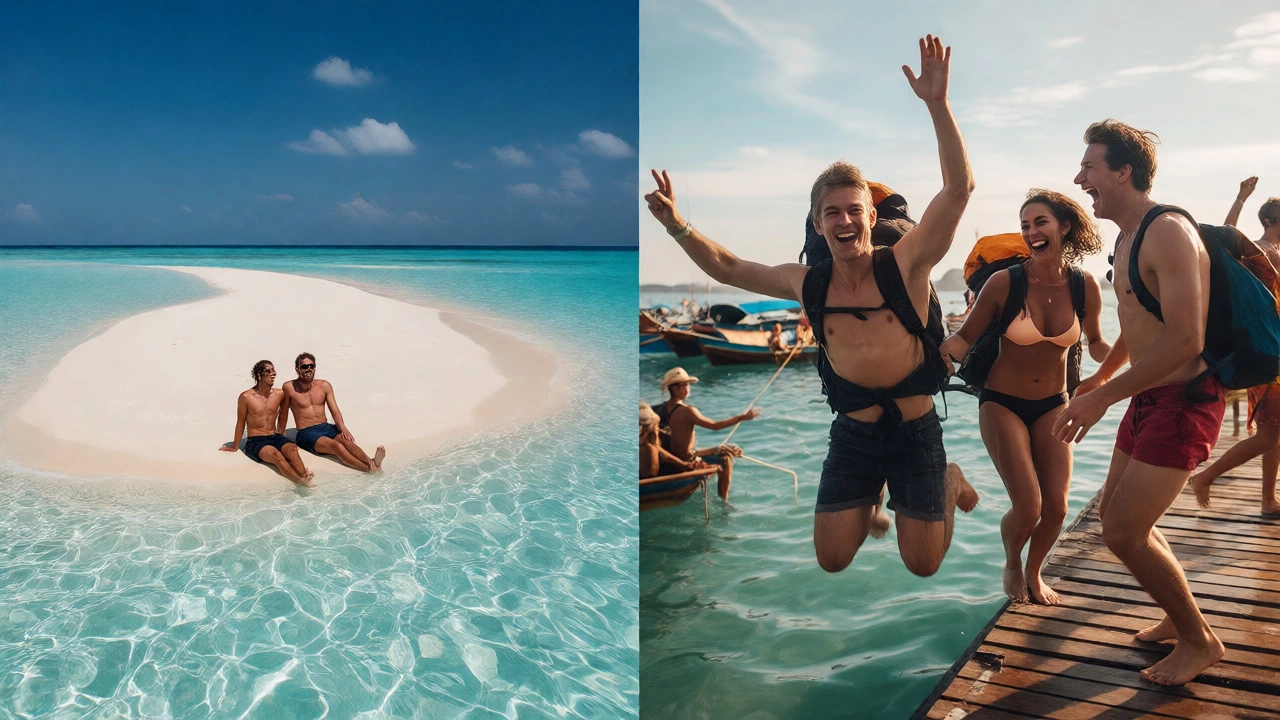
Choose Thailand if you value variety, nightlife, cultural exploration, and low-cost freedom. It’s ideal for backpackers, families who want flexibility, and travelers who prefer eating out and moving around without fixed schedules. The infrastructure is robust, English is widely spoken in tourist areas, and the sheer number of options prevents boredom. Choose the Maldives if you prioritize privacy, relaxation, and luxury. It’s perfect for honeymoons, couples seeking quiet, or divers wanting pristine reefs without crowds. It’s less about "doing" and more about "being." If you hate planning logistics and want everything handled for you, the high price tag buys you convenience and peace.
Frequently Asked Questions
Can I visit the Maldives on a tight budget?
Yes, by staying on local inhabited islands like Maafushi or Thulusdhoo. Accommodation costs drop to $50-$80 per night, and meals are affordable. However, you won't have access to alcohol on these islands, and luxury amenities are limited compared to private resorts.
Is Thailand safe for solo female travelers?
Generally, yes. Thailand is considered very safe for solo travelers, including women. Petty theft can occur in crowded areas, but violent crime against tourists is rare. Standard precautions apply, such as avoiding isolated beaches at night and using reputable taxi apps.
Do I need a visa for both countries?
Most Western passport holders receive a 30-day visa-free entry to the Maldives upon arrival. Thailand currently offers visa exemptions or visa-on-arrival for many nationalities, typically for 30 days. Always check current regulations before booking, as policies change frequently.
Which destination is better for scuba diving?
Both are excellent. The Maldives offers clear waters, manta rays, and whale sharks, particularly in the Ari Atoll. Thailand offers vibrant coral reefs and shipwrecks, especially around Koh Tao and the Similan Islands. The Maldives tends to be more expensive for dive packages, while Thailand offers great value training and tours.
Is the Maldives suitable for families with young children?
It can be, but it's costly. Resorts are child-friendly with kids' clubs, but the lack of external activities and high food costs can make it challenging. Thailand is often easier for families due to varied attractions, flexible dining options, and lower overall expenses, allowing for longer stays or more activities.