Regional Ethnic Diversity Explorer
Ethnic Composition
* Approximate genetic ancestry based on regional studies
Languages & Communication
Official languages: Tamil (Dravidian family)
Common dialects: Malayalam, Tulu, Kannada
Key Fact: Over 1,600 languages spoken in India - more than Europe's total
Cultural Groups
Primary groups: Malayali, Nairs, Ezhavas
Indigenous communities: Irula, Kuruba, Pulaya
Unique practice: Matrilineal system where property passes through female line
Travel Tip
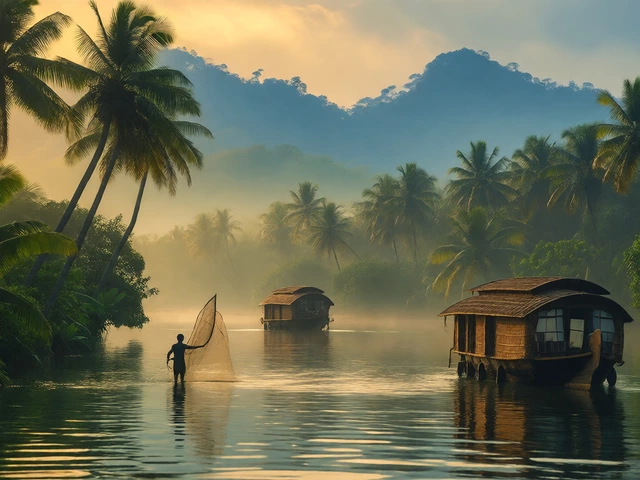
Visit the Periyar National Park for tribal experiences, or explore the ancient Kuttanad backwaters
Look for traditional Kalaripayattu martial arts performances
India isn’t just a country-it’s a living archive of human variation. If you think you understand India from seeing a few temples in Jaipur or sipping chai in Mumbai, you’re only scratching the surface. The truth is, India’s racial and ethnic makeup defies simple labels. It’s not a single culture wrapped in a flag. It’s dozens of distinct populations, each with their own languages, skin tones, facial features, traditions, and histories-many of which have never mixed, never changed, and never been fully acknowledged by outsiders.
There’s no single ‘Indian’ look
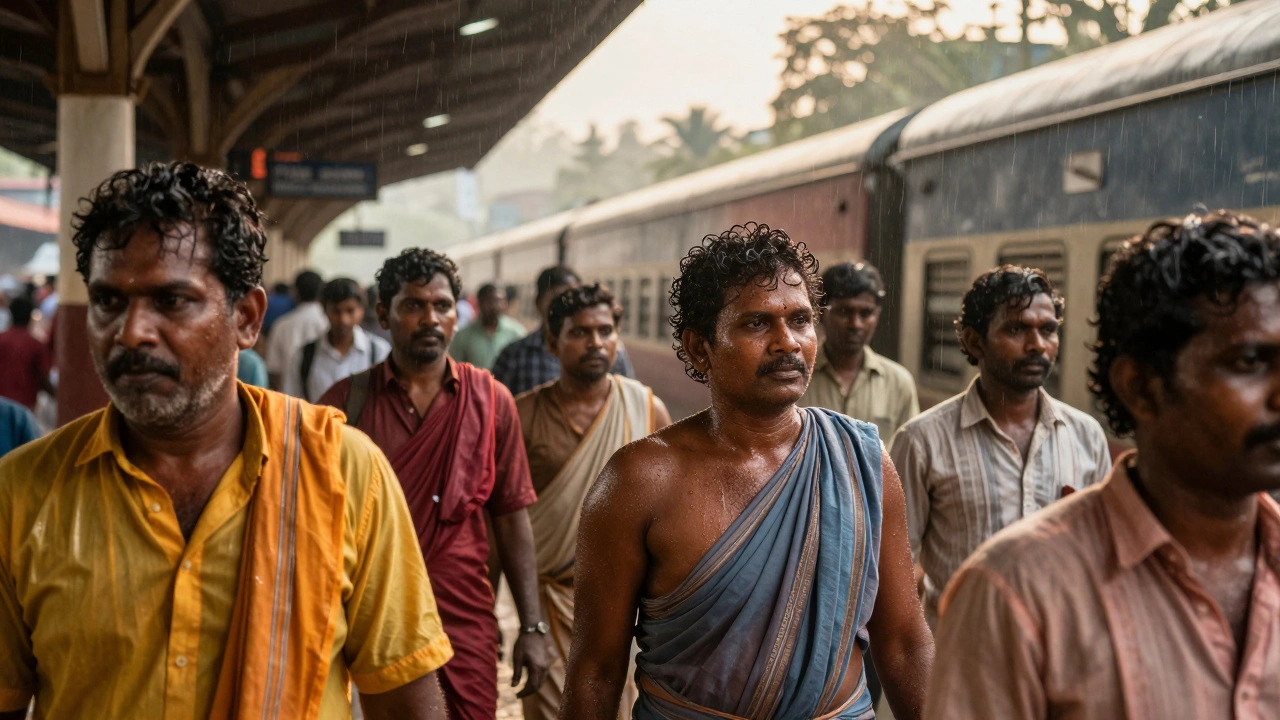
Walk through a train station in Kerala and you’ll see people with dark skin, curly hair, and broad noses-features common across the Dravidian-speaking south. Then take a flight to Leh in Ladakh and you’ll meet people with high cheekbones, lighter skin, and almond-shaped eyes who look more like Tibetans than Indians. In the northeast, near the borders with Myanmar and Bangladesh, you’ll find communities with Mongoloid features, tribal tattoos, and languages unrelated to Hindi or Sanskrit. These aren’t minorities. They’re the norm.
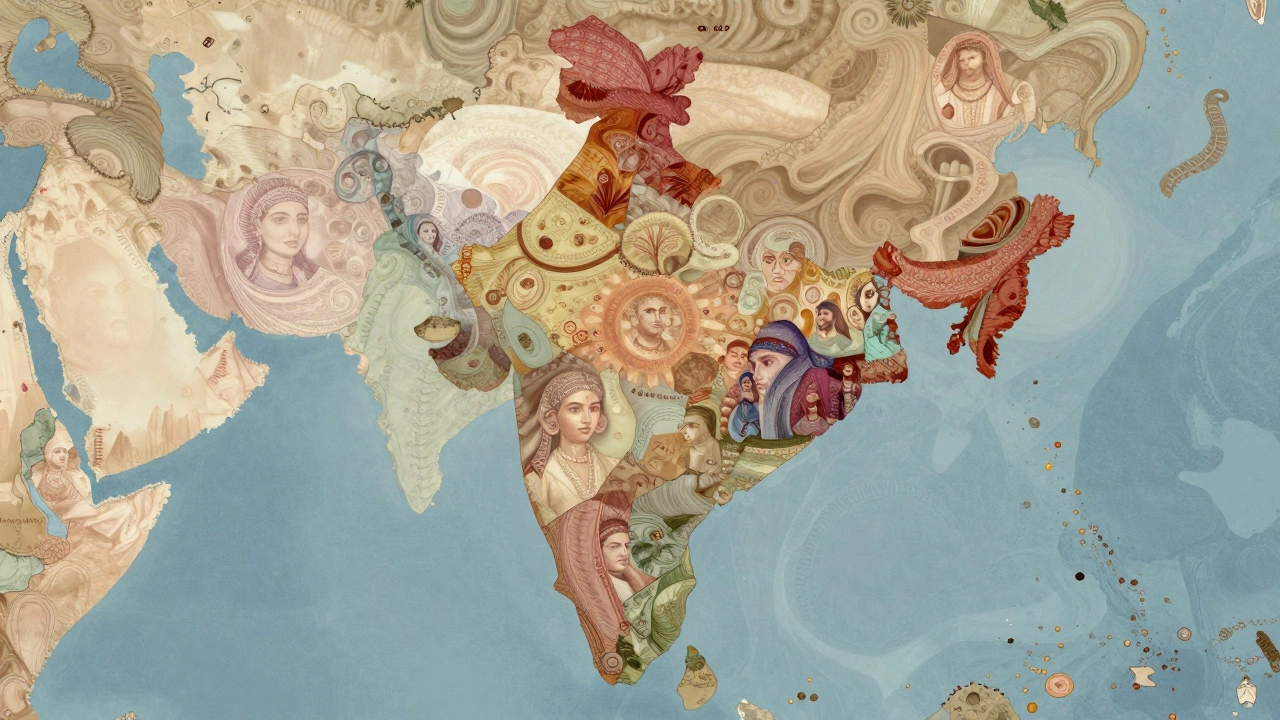
Genetic studies show that modern Indians descend from at least four major ancestral groups: Ancient Ancestral South Indians (AASI), Iranian agriculturists, Steppe pastoralists from Central Asia, and East Asian populations. These groups mixed unevenly across regions. In Tamil Nadu, AASI ancestry dominates. In Punjab, Steppe ancestry is strongest. In Arunachal Pradesh, East Asian genes make up over 70% of the population. That’s not diversity-it’s a genetic kaleidoscope.
Language is the real divider
India has 22 officially recognized languages. But if you count dialects and tribal tongues, the number climbs past 1,600. That’s more than the entire continent of Europe. And these aren’t just accents-they’re completely different language families. Hindi and Urdu belong to the Indo-European family, like English and Persian. Tamil, Telugu, Kannada, and Malayalam come from the Dravidian family, which has no close relatives outside South Asia. Then there’s Assamese, Bengali, and Manipuri, which are part of the Tibeto-Burman group, linked to languages spoken in Nepal, Bhutan, and Tibet.
When a Bengali farmer from West Bengal meets a Gond tribal elder from Madhya Pradesh, they can’t understand each other’s words. They don’t share a common script, history, or even a sense of belonging to the same ‘Indian’ identity. Yet both are Indian citizens. This isn’t a flaw-it’s the structure of the country. Cultural tourism here means accepting that you’re not visiting one culture. You’re visiting dozens, stacked side by side, often unaware of each other’s existence.
Color doesn’t equal caste or ethnicity
Many tourists assume skin tone in India is tied to caste or social class. It’s not. Lighter skin in the north doesn’t mean higher caste. Darker skin in the south doesn’t mean lower status. The caste system is about lineage, occupation, and ritual hierarchy-not pigmentation. A Brahmin in Tamil Nadu can have darker skin than a Dalit in Punjab. Skin tone varies by geography, not social rank.
Even the word ‘race’ doesn’t fit neatly here. In the U.S., race is often defined by broad categories: Black, White, Asian, Hispanic. In India, you have over 2,000 distinct endogamous groups-communities that marry within themselves for generations. Some are tribes with no written history. Others are urban castes that trace their roots back 2,000 years. None of them fit neatly into Western racial boxes.
What you see in tourism ads isn’t real India
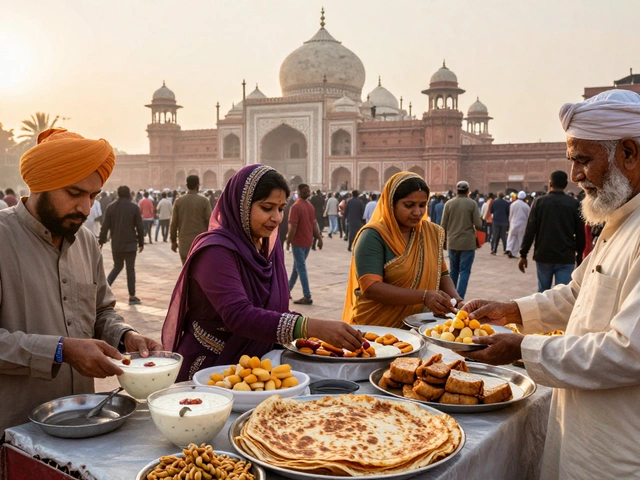
Most travel brochures show the same few faces: fair-skinned women in silk saris, men in kurta-pajamas smiling near the Taj Mahal. These images are curated. They’re chosen because they match global stereotypes of ‘exotic Asia.’ But they erase 80% of the population.
Look at the tribal communities of Odisha. The Santals, the Gonds, the Khonds-they’ve lived in forests for millennia. Their skin is dark, their hair is thick and curly, their jewelry is made of bone and beads. They don’t wear saris. They don’t speak Hindi. Most have never seen the Taj Mahal. Yet they’re Indian. And they’re invisible in most tourism campaigns.
Same with the Naga tribes of Manipur. Their traditional tattoos cover their faces and arms. Their dances involve war drums and masks. Their languages have no written form. Tourists rarely visit them. When they do, it’s often as ‘ethnographic curiosities’-not as equals.
Why this matters for cultural tourists
If you’re traveling to India to understand its culture, you need to stop looking for the ‘authentic’ version. There isn’t one. The real cultural experience comes from recognizing that India is a mosaic of hundreds of living societies. To truly engage with it, you have to change your expectations.
Instead of chasing the same temples and palaces, go to a tribal market in Chhattisgarh. Talk to a fisherwoman in the Sundarbans who speaks Bengali and Santali. Visit a monastic school in Sikkim where children learn Tibetan Buddhist texts alongside English. These aren’t tourist traps. They’re the heartbeat of India.
Respect means not trying to fit people into your idea of what India should look like. It means accepting that a woman in a cotton sari in Bangalore might be a descendant of Portuguese traders. A man in a dhoti in Bihar might carry genes from Mongol invaders. A child in Meghalaya might be the 12th generation of a matrilineal clan that predates the Mughals.
Where to see India’s true diversity
If you want to witness India’s racial and ethnic range firsthand, here are a few places that show it clearly:
- Cherrapunji, Meghalaya - Home to the Khasi people, one of the world’s last matrilineal societies. Women own property. Children take the mother’s last name. Their language is unrelated to any Indo-European tongue.
- Andaman Islands - The Sentinelese, Jarawa, and Onge tribes have lived here for over 50,000 years. They are among the oldest continuous human populations on Earth. No outsiders are allowed near them-but their existence reminds us how ancient India’s roots are.
- Chamoli, Uttarakhand - The Bhotiya people, with Tibetan features, trade salt and wool across the Himalayas. Their dialect is a mix of Tibetan and Kumaoni. They don’t celebrate Diwali. They celebrate Losar, the Tibetan New Year.
- Wayanad, Kerala - The Paniya and Kurumba tribes live in forest huts. Their music uses bamboo flutes and hand drums. They don’t follow Hindu gods. They worship ancestral spirits tied to specific trees and rivers.
- Tezpur, Assam - The Bodo people have their own legislative council. Their language was added to India’s Eighth Schedule in 1992. Their traditional dress includes woven shawls with geometric patterns that tell clan stories.
These aren’t side trips. They’re essential stops for anyone claiming to understand India.
The myth of unity
India’s government likes to say, ‘Unity in Diversity.’ But that phrase often hides the truth: diversity isn’t just accepted here-it’s the default. There’s no unified culture. There’s no single Indian identity. There are thousands.
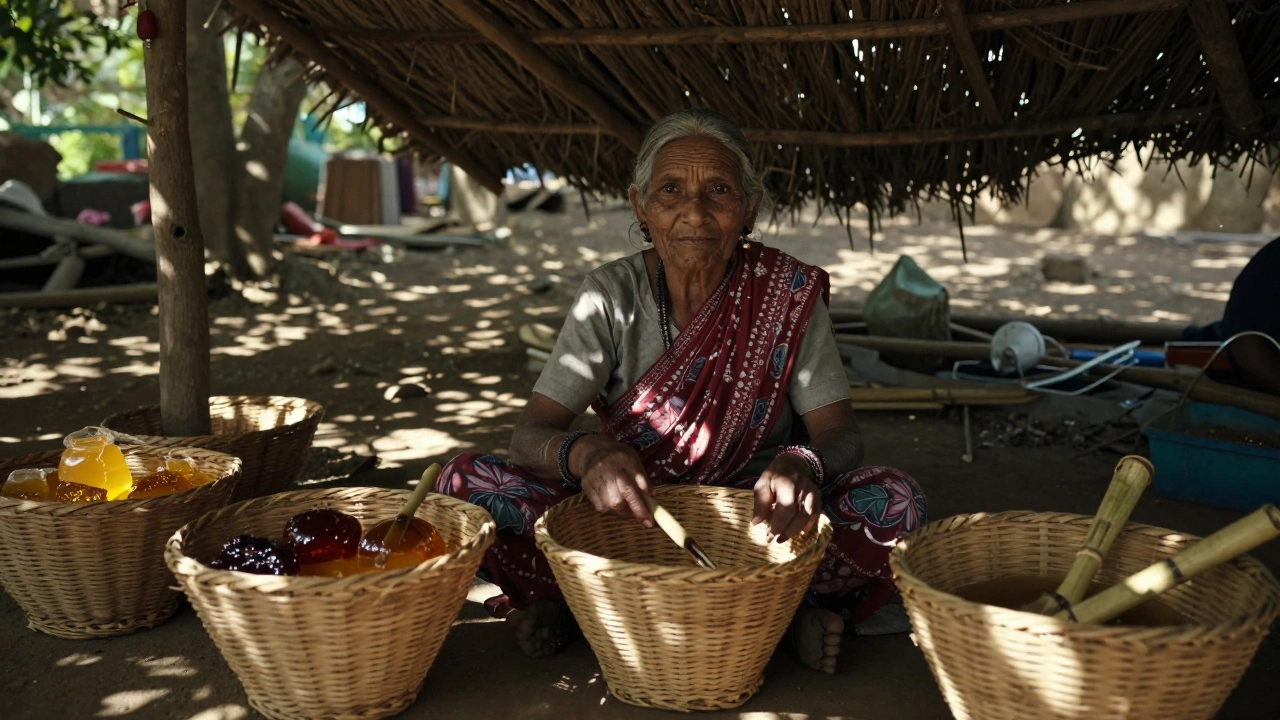
When you eat biryani in Hyderabad, you’re tasting a dish shaped by Persian invaders and local Muslim cooks. When you drink toddy in Kerala, you’re sipping a tradition passed down by indigenous tribes long before Islam or Christianity arrived. When you hear a folk song in Odisha, you’re listening to a melody unchanged for 800 years.
India doesn’t need to be unified. It thrives because it’s not. Cultural tourism here isn’t about collecting postcards. It’s about witnessing the slow, quiet survival of hundreds of human stories that refuse to be erased.
What you won’t find in guidebooks
You won’t find the Dongria Kondh tribe of Odisha in most travel apps. They’ve fought the government for decades to protect their sacred Niyamgiri Mountain from mining. They don’t have smartphones. They don’t use Google Maps. But they’ve won court cases. They’ve preserved their language, their rituals, their land.
You won’t find the Mishing people of Assam in Instagram reels. They fish in floodplains using bamboo traps. Their women weave cloth on backstrap looms. Their songs are about rivers, not romance. Yet they’re Indian.
And you won’t find the Siddis of Karnataka-descendants of African slaves brought here 500 years ago. They still perform Goma dance, with drums and leaps that echo East African traditions. Their ancestors came on Portuguese ships. Their children now study engineering in Bangalore. They don’t call themselves African. They don’t call themselves Indian. They call themselves Siddi. And that’s enough.
India’s diversity isn’t a feature. It’s the foundation. And if you come here expecting a single story, you’ll leave with nothing but a photograph. But if you come ready to hear a thousand voices-you’ll carry something real home with you.