Western Ghats: India's Biodiversity Hotspot and Hidden Travel Treasures
When you think of India’s wild places, you might picture tigers in Rajasthan or elephants in Kerala—but the real heartbeat of the country’s natural wealth lies along the Western Ghats, a 1,600-kilometer mountain chain running parallel to India’s west coast that shelters more than 7,400 species of flowering plants, 1,800 species of insects, and over 500 species of birds. Also known as the Sahyadri Range, it’s one of the world’s eight hottest biodiversity hotspots and a UNESCO World Heritage Site. Unlike the more famous Himalayas, the Western Ghats don’t scream for attention. They whisper—through mist-covered forests, hidden waterfalls, and villages that haven’t changed in centuries.
This range isn’t just trees and animals. It’s the source of nearly half of India’s rivers, including the Godavari, Krishna, and Kaveri. These rivers feed farmland, power towns, and sustain millions. But the real magic happens where the mountains meet the sea—where wildlife sanctuaries, protected areas like Periyar, Silent Valley, and Anamalai that rescue and shelter endangered species like the Nilgiri tahr and lion-tailed macaque thrive without crowds. You won’t find luxury resorts everywhere here. Instead, you’ll find homestays run by local families, organic coffee plantations in Coorg, and trails that lead straight into untouched cloud forests. And if you’ve ever wondered why trekking in India feels different, it’s because the Western Ghats offer something rare: a blend of physical challenge and deep cultural roots. Places like Ooty, Munnar, and Panchgani—hill stations, colonial-era retreats built by British officers and now home to quiet travelers seeking peace—were carved into these slopes for a reason. The air is cooler. The silence is thicker. And the views? They stay with you long after you leave.
What you’ll find in these posts isn’t just a list of places to visit. It’s the story of how a mountain range shapes everything around it—from the way people live, to the animals they protect, to the hikes that change your perspective. You’ll read about why certain sanctuaries matter more than others, how trekking here builds more than muscle, and why a small town like Panchgani earned the nickname "Italy of India." There’s no fluff. Just real insights from people who’ve walked these trails, stayed in these villages, and seen what happens when nature is left alone. Whether you’re planning your next hike, researching conservation, or just looking for a quiet corner of India to disappear into, the Western Ghats have something waiting for you.
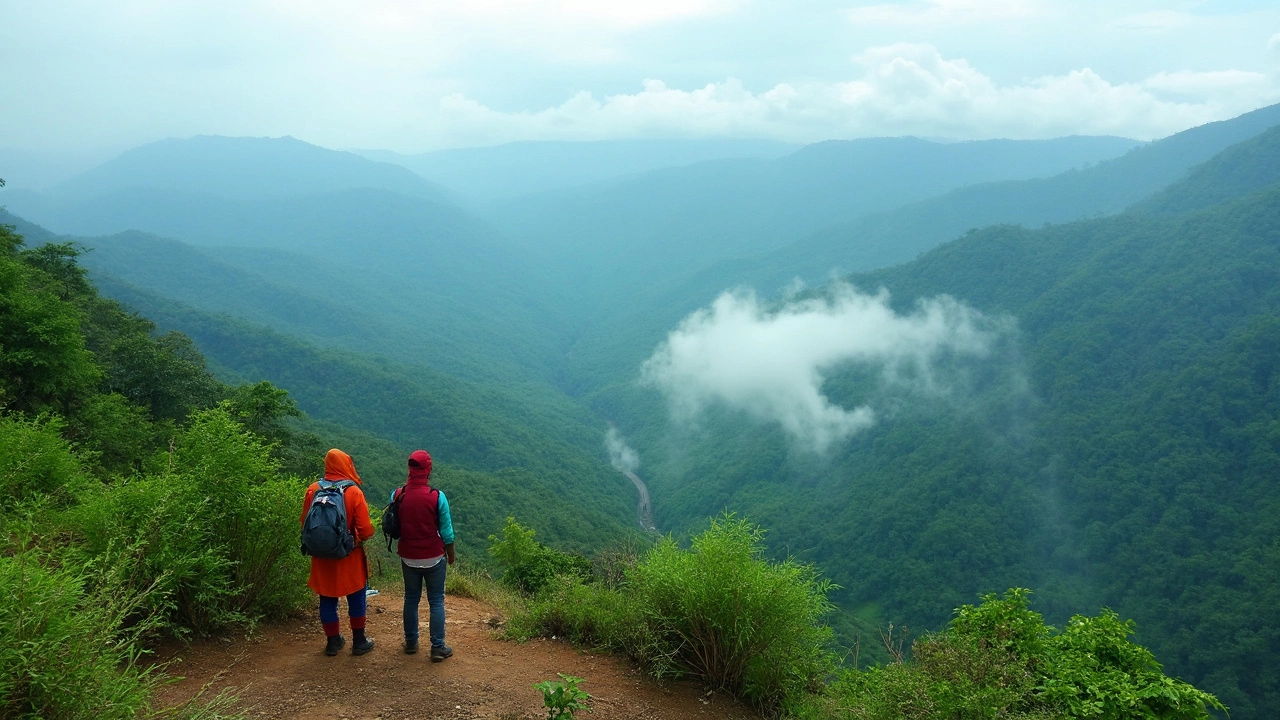
Discover India's Unique Cross-State World Heritage Site: The Western Ghats
Wondering if any World Heritage Site in India stretches across state borders? Yes, the Western Ghats do! Dive into the fascinating story of this UNESCO natural wonder, its geographical spread, rare wildlife, and practical tips for exploring it. Learn what makes it a jewel of multi-state heritage.