Vaccinations for India Travel: What You Need Before Your Safari
When planning a trip to India, vaccinations, preventive shots that protect you from diseases common in certain regions. Also known as travel immunizations, they’re not just paperwork—they’re your first line of defense against illnesses you won’t find at home. India’s diverse landscapes—from jungle safaris in Rajasthan to temple trails in South India—mean you’re exposed to different risks. Skipping vaccines isn’t bravery; it’s rolling the dice with your health.
You don’t need every shot under the sun, but a few are non-negotiable. Hepatitis A, a virus spread through contaminated food and water, common in areas with poor sanitation is a must. It’s not dramatic, but it can sideline you for weeks with nausea, fatigue, and fever. Then there’s typhoid, a bacterial infection from dirty food or water, often found in crowded markets and street food hubs. Both are easy to prevent with simple injections, and both are far more common among travelers than people realize. If you’re eating local, drinking bottled water, or even brushing your teeth with tap water in smaller towns, you’re at risk.
Then there’s the optional but smart stuff. Hepatitis B, a blood-borne virus that can spread through medical procedures, tattoos, or even unsterilized razors is worth considering if you’re staying longer than a month or planning to get a massage, piercing, or dental work. And if you’re heading into rural areas or monsoon season, Japanese encephalitis, a mosquito-borne disease that affects the brain and is rare but deadly might be on your doctor’s list. Rabies shots? Only if you’re trekking in wildlife zones or planning to pet stray dogs—something many travelers do without thinking.
Here’s the thing: no one forces you to get these shots before entering India. But that doesn’t mean you shouldn’t. Travel clinics don’t push vaccines to make money—they warn you because they’ve seen people get sick, miss trips, or end up in hospitals halfway across the world. The cost of a few shots? Less than a bad hotel night. The cost of getting sick? Lost days, missed safaris, and a long recovery far from home.
Timing matters too. Most vaccines need weeks to become effective. Don’t wait until your flight is tomorrow. Get your shots at least four to six weeks before you leave. If you’re last-minute, some vaccines still help—talk to a travel clinic. And don’t forget your routine ones: measles, polio, tetanus. India’s healthcare is good in cities, but it’s not always quick or easy for tourists. Better to avoid the problem than fix it.
What you’ll find below are real stories and facts from travelers who’ve been there—people who got sick because they skipped a shot, and others who stayed healthy because they planned ahead. You’ll see which vaccines actually matter, which ones are myths, and how to talk to your doctor without getting overwhelmed. No fluff. No fearmongering. Just what you need to know before you pack your bags and head out on your next adventure in India.
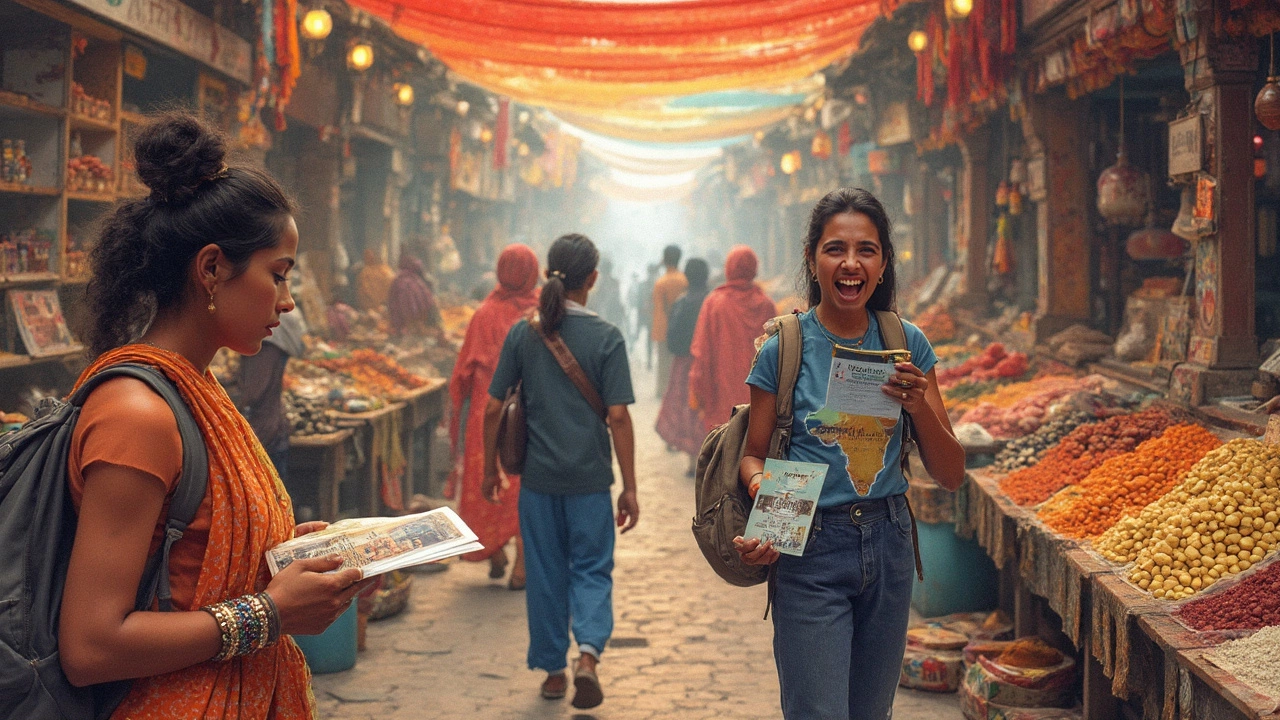
Do I Really Need Vaccinations for India?
Travelling to India on a budget? It's exciting, but you'll need to think about vaccinations. Are they necessary, or can you skip them? This article explores the immunizations you might need, addresses some common misconceptions, and offers practical advice to keep your trip safe and healthy without breaking the bank.