Required Injections for India: What Travelers Need Before Their Trip
When planning a trip to India, required injections for India, vaccinations that protect against diseases common in the region, especially for travelers from countries with low exposure. Also known as travel vaccines for India, these aren’t just recommendations—they’re often the difference between a smooth journey and a hospital visit. Most travelers need at least two: hepatitis A, a virus spread through contaminated food and water, common in areas with poor sanitation and typhoid, a bacterial infection also linked to unsafe food and water, especially in smaller towns and rural areas. Both are easy to prevent with a single shot, and both are listed by the CDC as routine for India-bound visitors.
What about rabies? If you’re planning to hike, volunteer, or spend time in rural areas—especially where stray dogs are common—you should consider the rabies vaccine. It’s not required, but it’s smart. Rabies is 100% fatal once symptoms start, and medical care in remote parts of India may not have the right antivenom. The vaccine gives you time to get help if bitten. Polio boosters are also worth checking. Even though India is polio-free, the virus still circulates in neighboring countries, and a single booster is recommended if your last shot was more than 10 years ago.
Some travelers ask about malaria pills. That’s not a vaccine—it’s a daily pill you take before, during, and after your trip. It’s not required, but if you’re going to the northeast, parts of Odisha, or rural Rajasthan, it’s strongly advised. Mosquitoes here carry the parasite, and getting sick can ruin your whole trip. You’ll also want to pack hand sanitizer, bottled water, and maybe a portable water filter. Even the best vaccines won’t protect you from a bad salad or unboiled tap water.
Yellow fever? Only if you’re coming from a country where it’s present. India doesn’t require it for most travelers, but if you’ve been in Brazil, Uganda, or parts of West Africa in the last week, you’ll need proof. Same with meningitis—only if you’re visiting during the dry season in the north and plan to be in crowded places like festivals or buses. Most people skip it, but it’s an option if you’re risk-averse.
Don’t forget your routine shots: measles, tetanus, flu. You might think you’re covered, but immunity fades. A tetanus booster every 10 years is a good rule. And if you’re over 50 or have a weak immune system, the shingles vaccine? Worth a doctor’s visit before you go.
There’s no one-size-fits-all list. Your needs depend on where you’re going, how long you’ll stay, and what you’ll do. A week in Goa? Stick to hepatitis A and typhoid. A month trekking in Himachal? Add rabies and consider malaria. A cultural tour through Rajasthan? Skip rabies unless you’re feeding street dogs. The key is planning ahead—most vaccines need time to work. Get them at least 4–6 weeks before you leave.
What you’ll find below are real traveler stories, clinic tips, and country-specific advice pulled from posts that actually cover these details. No fluff. No guesswork. Just what works—and what doesn’t—when you’re standing in a Delhi market, wondering if that street food is safe.
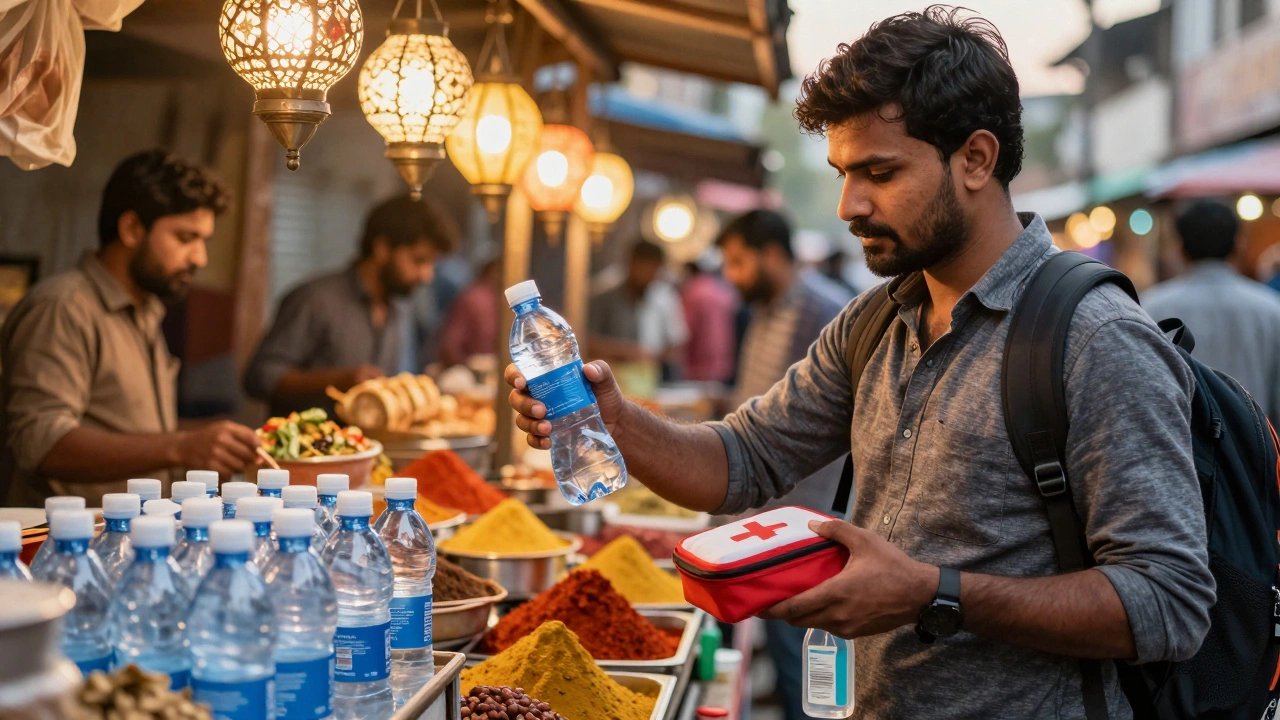
What Injections Do I Need for India? Essential Vaccines for Budget Travelers
Essential vaccines for budget travelers to India, including typhoid, hepatitis A, polio, Tdap, and hepatitis B. Learn what you really need, when to get them, and how much they cost in Australia.