Kumbh Mela: The World's Largest Religious Gathering and What Makes It Unique
When you think of mass gatherings, you might picture concerts, sports finals, or political rallies. But nothing compares to the Kumbh Mela, a Hindu pilgrimage festival held at sacred river confluences in India, occurring every three years in rotation among four cities. Also known as Kumbha Mela, it’s not just a festival—it’s a living ritual older than most modern nations, where faith moves in waves of millions. Every twelve years, the largest version—called the Maha Kumbh Mela, a once-in-12-year event held in Prayagraj (formerly Allahabad) at the confluence of the Ganges, Yamuna, and mythical Saraswati rivers—draws over 100 million people in a few weeks. That’s more than the entire population of Germany. And it’s not chaos. It’s order. Clean water. Medical tents. Free food. Temporary cities built from scratch. All managed by volunteers, police, and spiritual leaders working in sync.
The Kumbh Mela isn’t just about bathing in holy rivers. It’s about renewal. Pilgrims come to wash away sins, seek blessings, or simply be near sadhus—holy men who live without homes, possessions, or modern comforts. You’ll see naked ascetics with matted hair, yogis meditating in freezing water, and families camping for weeks just to catch a glimpse of a revered guru. The Prayagraj Kumbh, the most sacred of the four sites, where the river confluence is believed to be the exact spot where nectar from the cosmic churning of the ocean fell draws the biggest crowds. But Haridwar Kumbh, where the Ganges exits the Himalayas into the plains, and Ujjain and Nashik, where the festival rotates every three years are just as powerful in their own right. Each location has its own rituals, timing based on astrological alignments, and unique spiritual energy.
What makes the Kumbh Mela so remarkable isn’t just its scale. It’s how deeply it’s woven into India’s identity. Unlike festivals centered on food or lights, this one is about presence—being in the right place at the right time, guided by ancient texts and celestial cycles. It’s not a tourist attraction. It’s a spiritual obligation for many. And yet, anyone can attend. No ticket. No gate. Just a river, a crowd, and the quiet understanding that you’re part of something far bigger than yourself.
What you’ll find in the posts below are real stories and insights about this phenomenon—from how pilgrims prepare for months, to the logistics of feeding millions, to why some leave everything behind to live as sadhus. You’ll see how the Kumbh Mela connects to other sacred journeys in India, like the Char Dham Yatra, and how it shapes the rhythm of life for millions. This isn’t history. It’s happening right now, every few years, in the same rivers, the same fields, the same silence between chants. And if you’ve ever wondered what true devotion looks like, this is it.
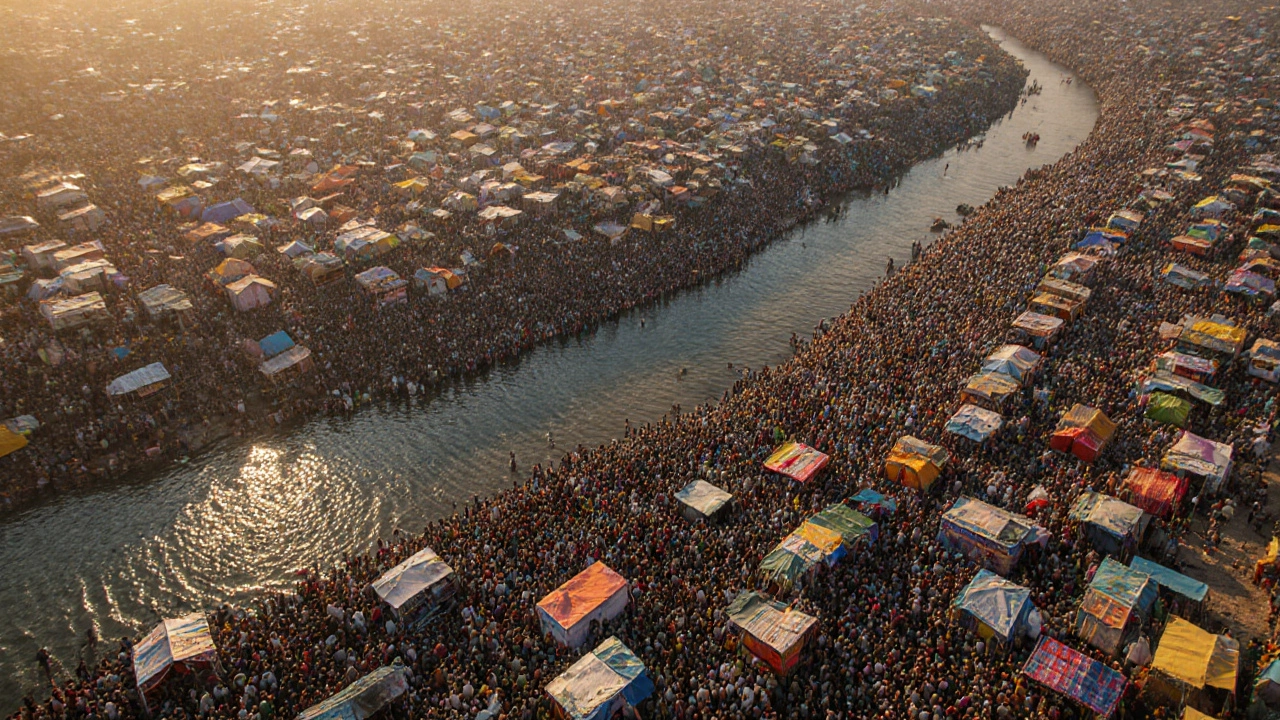
India's Largest Religious Festival: The Complete Kumbh Mela Guide
Explore India's largest religious festival, Kumbh Mela. Learn about its history, locations, dates, rituals, and travel tips for a seamless pilgrimage experience.