India Weather: What to Expect Across Seasons and Regions
When you think of India weather, the extreme seasonal shifts and regional differences that define travel planning across the country. Also known as Indian climate patterns, it’s not just about hot or cold—it’s about timing your trip right so you don’t get caught in a downpour or a 45°C heatwave. Unlike countries with predictable four seasons, India runs on three major rhythms: the scorching summer, the soaking monsoon, and the crisp winter. Each one changes everything—what you wear, where you go, and even how you feel.
Take North India weather, the region that swings from desert heat to chilly Himalayan nights. In May, Delhi can hit 48°C, but by December, mornings drop below 5°C. If you’re planning a trip to the Taj Mahal or Rajasthan’s forts, aim for October to March. That’s when the air clears, the skies stay blue, and the heat doesn’t drain you before lunch. Meanwhile, South India climate, a zone of humid coastlines and steady warmth. Cities like Chennai and Kochi barely dip below 25°C year-round. The real challenge here isn’t cold—it’s rain. The monsoon hits harder and lasts longer here, often from June to September. If you want beach time in Goa or temple visits in Tamil Nadu, try November to February.
The monsoon season, the defining weather event that reshapes travel, agriculture, and daily life across India. It’s not just rain—it’s a cultural moment. Streets flood, trains run late, and hill stations like Munnar or Ooty turn into misty retreats. But it’s also when wildlife sanctuaries come alive—animals gather near waterholes, and forests turn emerald green. If you’re okay with muddy trails and occasional delays, this is the cheapest time to travel, and the landscapes are unmatched. Just avoid coastal cities during peak July rain if you hate soggy shoes.
What most tourists don’t realize? The weather in India isn’t one thing. It’s a patchwork. Kerala’s humidity is nothing like Rajasthan’s dry heat. The Himalayas have snow in January, while Bangalore enjoys mild 22°C days. Even within states, it changes fast—Agra’s winter fog is thick enough to cancel flights, while Goa’s beaches stay sunny even when Mumbai drowns. That’s why knowing the India weather for your specific destination matters more than the country’s overall reputation. Don’t pack winter coats for Kerala. Don’t assume all of India is hot in April. Check local forecasts, not general ones.
You’ll find posts here that tie weather directly to real travel decisions: when to hike in the Himalayas, how monsoon affects wildlife safaris, why some festivals only happen in certain seasons, and how to avoid tourist traps that are unbearable in peak heat. Whether you’re chasing temple tours in winter, trekking after the rains, or planning a honeymoon in the hills, the right timing makes all the difference. Below, you’ll see exactly how weather shapes every kind of trip across India—no fluff, just facts you can use.

Best Month to Visit India: Your Guide for Perfect Travel Timing
Discover the best month to visit India with tips on weather, festivals, and travel highlights so you can plan your perfect trip. Avoid crowds, get deals, and experience India's culture at its best.
Best Time to Visit India: North India’s Perfect Season Guide
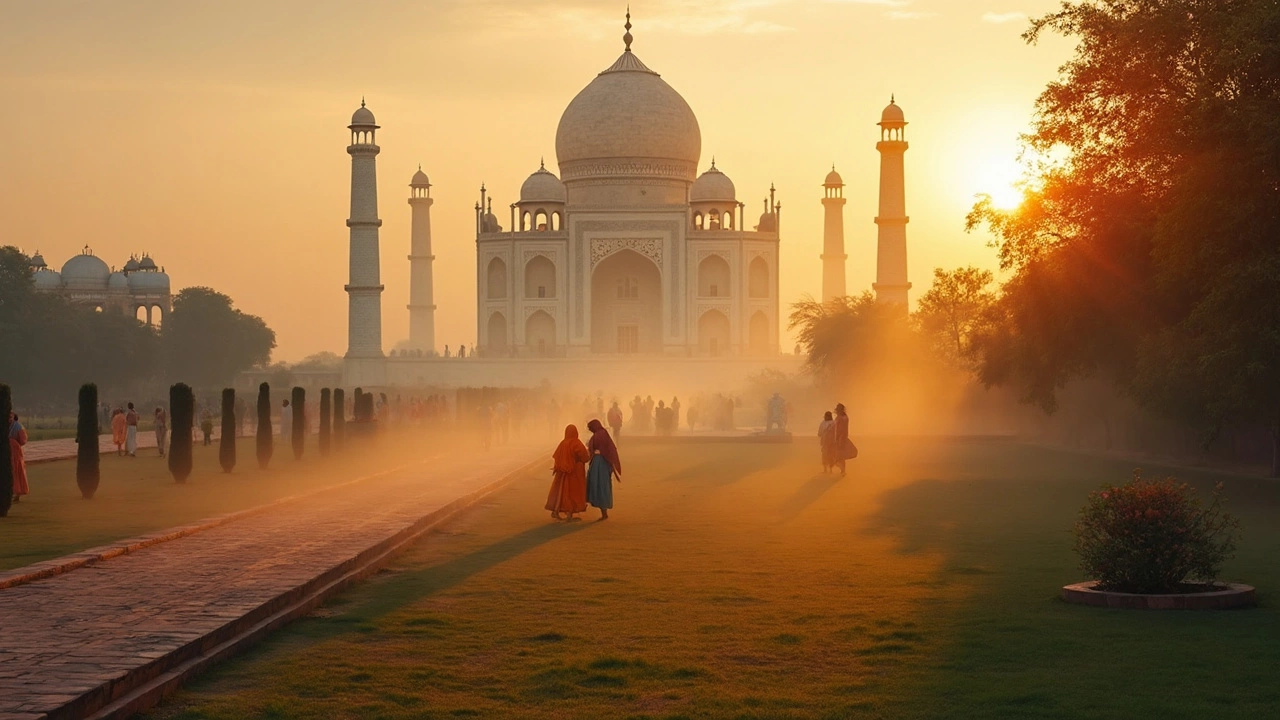
Figuring out the best time to visit North India can mean the difference between a dreamy getaway and a chaotic trip. This article cuts through the confusion, laying out how weather, festivals, and crowds shape travel across North India. You'll get straight talk about when to go for the Taj Mahal, Himalayan adventures, or city-hopping in New Delhi. Handy travel tips and underrated facts will help you dodge pitfalls and catch special moments. Perfect for travelers wanting a practical plan, not just pretty pictures.