India racial diversity: Understanding the people, cultures, and identities that shape the nation
When we talk about India racial diversity, the vast and complex mix of ethnicities, languages, and ancestral lineages that make up modern India. Also known as Indian ethnic diversity, it’s not a statistic—it’s the rhythm of everyday life, from the Himalayan villages to the coastal fishing towns. This isn’t a single story. It’s thousands—each with its own history, dress, food, and way of speaking. You won’t find one "Indian" type. Walk into a market in Punjab and you’ll hear Punjabi, see turbans, and smell ghee-laced parathas. Walk into a tribal village in Odisha and you’ll hear Gondi, see intricate beadwork, and taste bamboo-steamed rice. Both are India. Both are real.
Behind this diversity are Indian ethnic groups, distinct populations with unique cultural practices, physical traits, and ancestral roots stretching back thousands of years. The Dravidian-speaking communities of the south, the Indo-Aryan groups of the north, the Mongoloid tribes of the northeast, and the indigenous Adivasi populations across central India—each carries a legacy that shaped how they live, worship, and connect. These aren’t just labels. They’re living identities. You’ll see this in the way people celebrate festivals, the food they eat at home, and even the way they greet strangers. In Kerala, you’ll find Syrian Christians who’ve lived there for over a thousand years. In Manipur, you’ll meet Meitei families who trace their lineage to ancient kings. In Gujarat, you’ll meet Parsis whose ancestors fled Persia over a thousand years ago. All of them call India home.
This diversity doesn’t just exist—it influences everything. It shapes why North India feels so different from Kerala or Punjab. It’s why the temples of Khajuraho look nothing like the hilltop shrines of Arunachal Pradesh. It’s why a dish like khichdi can taste completely different in Bengal than in Rajasthan, even though it’s the same basic recipe. The same people who built the grand temples of Tamil Nadu also live in the same country as the nomadic herders of Ladakh. That’s not coincidence. That’s history.
Travelers often miss this depth. They see India as a single place, a single culture. But the truth is, you can’t understand India without understanding its layers. That’s why posts here cover everything from the hidden tribal communities in Maharashtra to the immigrant neighborhoods in Jersey City that still feel like home to people from Punjab. You’ll find guides on where to experience real ethnic tourism, what vaccines you need before visiting remote areas, and why some regions are more welcoming than others. You’ll see how safety, food, and even transport vary wildly from one community to the next. This isn’t about checking boxes. It’s about seeing India as it is—wildly, beautifully, and unapologetically diverse.
What you’ll find below isn’t just a list of articles. It’s a map. A map of the people who make India what it is. Whether you’re planning a trip, writing a report, or just curious, these stories will show you that India’s greatest wonder isn’t its monuments—it’s its people.
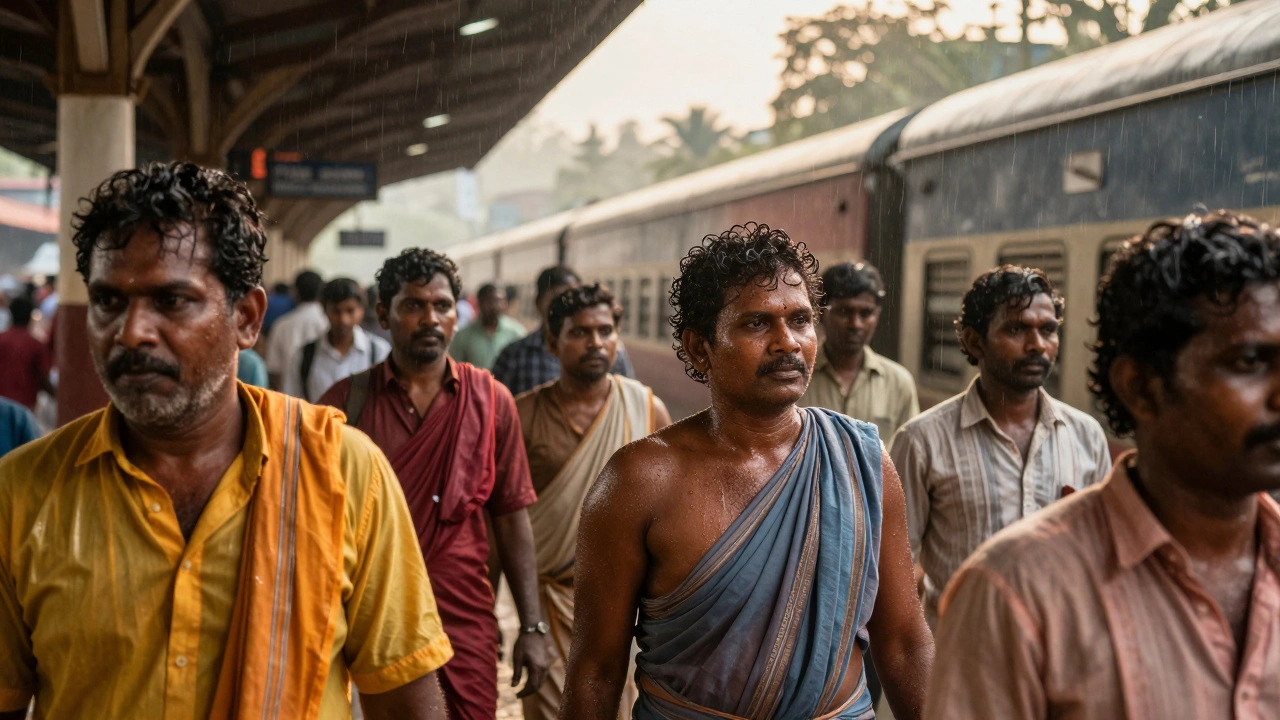
How racially diverse is India? A traveler’s guide to the country’s true ethnic mosaic
India's racial and ethnic diversity is far greater than most travelers realize. From Dravidian tribes in the south to Mongoloid communities in the northeast, the country is a mosaic of hundreds of distinct cultures-each with its own language, history, and identity.