Goa Travel Tips: Essential Advice for Planning Your Trip to India's Beach Paradise
When you think of Goa, a coastal state in western India famous for its beaches, Portuguese heritage, and lively nightlife. Also known as India’s party capital, it draws millions every year—not just for sun and sand, but for the mix of culture, food, and calm that’s hard to find elsewhere. But planning a trip here isn’t as simple as booking a flight and showing up. Too many travelers end up stuck in traffic from Dabolim Airport, the main airport serving Goa, located about 25-30 km from popular beach areas with no idea how to get to their hotel. Or they pay double for a taxi because they didn’t check the standard fare. Or they pick a beach that’s packed with party crowds when they wanted quiet sunsets. These aren’t mistakes you have to make.
Goa beach transfer, the process of getting from the airport or train station to your beachside stay is one of the first things you should nail down. The distance from Dabolim Airport to North Goa beaches like Calangute or Baga is around 30 km and takes 45-60 minutes in traffic. South Goa beaches like Palolem or Colva are farther—about 50 km and up to 90 minutes. Taxis are the easiest option, but always use the prepaid counter inside the airport. Avoid drivers waiting outside—they’ll quote inflated prices. A ride to North Goa should cost between ₹800-₹1,200. If you’re on a tight budget, shared jeeps or buses run regularly but take longer and drop you at main roads, not your doorstep.
Goa isn’t just about beaches. It’s also about the food—fresh seafood grilled on the shore, spicy vindaloo, and local feni liquor made from cashew. You’ll find cheap eats at beach shacks for under ₹300 a meal, and luxury dinners for ₹2,000+. Most travelers spend ₹2,500-₹5,000 per day depending on where they stay and how much they drink. Hostels and guesthouses in North Goa start at ₹800/night; private villas in South Goa can go over ₹10,000. Don’t assume all beaches are the same. Anjuna is loud and hippie-style; Palolem is calm and family-friendly. If you want quiet, avoid weekends and holidays. Monsoon season (June-September) brings heavy rain but also fewer people and lower prices. Many hotels offer 50% off during this time.
One thing most guides skip: Goa’s real charm lives outside the tourist zones. Take a morning walk in Fontainhas, Panjim’s Latin Quarter, with its colorful Portuguese houses and quiet alleys. Visit a local fish market before sunrise. Eat at a tiny family-run eatery where the menu is handwritten on a chalkboard. These moments cost nothing but stick with you longer than any beach party.
What you’ll find below are real, tested tips from travelers who’ve been there—how to avoid scams, which beaches are worth your time, how to get around without stress, and what to pack that you didn’t even think about. No fluff. No generic advice. Just what actually works when you’re standing at Dabolim Airport wondering where to go next.
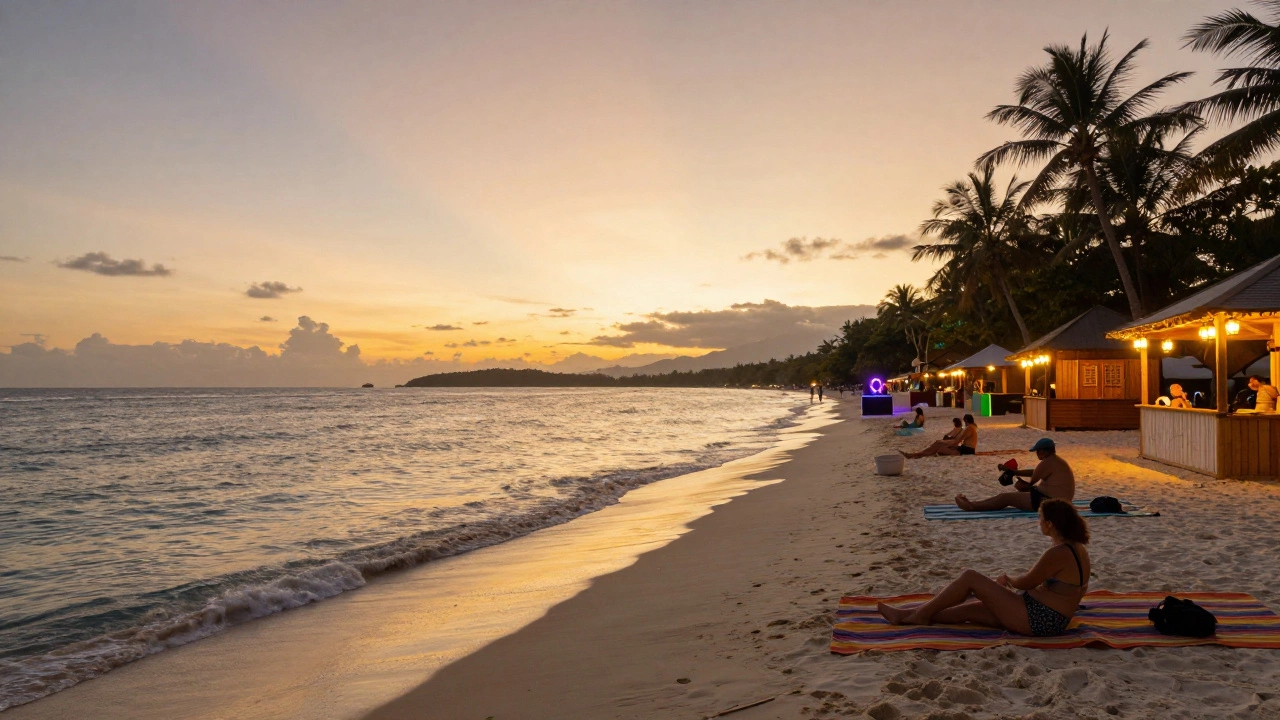
Best Time to Visit Goa: Weather, Crowds, and Local Events Explained
Find out the best time to visit Goa based on weather, crowds, and local events. Whether you want sunny beaches, wild parties, or quiet monsoon solitude, this guide breaks down the ideal months for every kind of traveler.
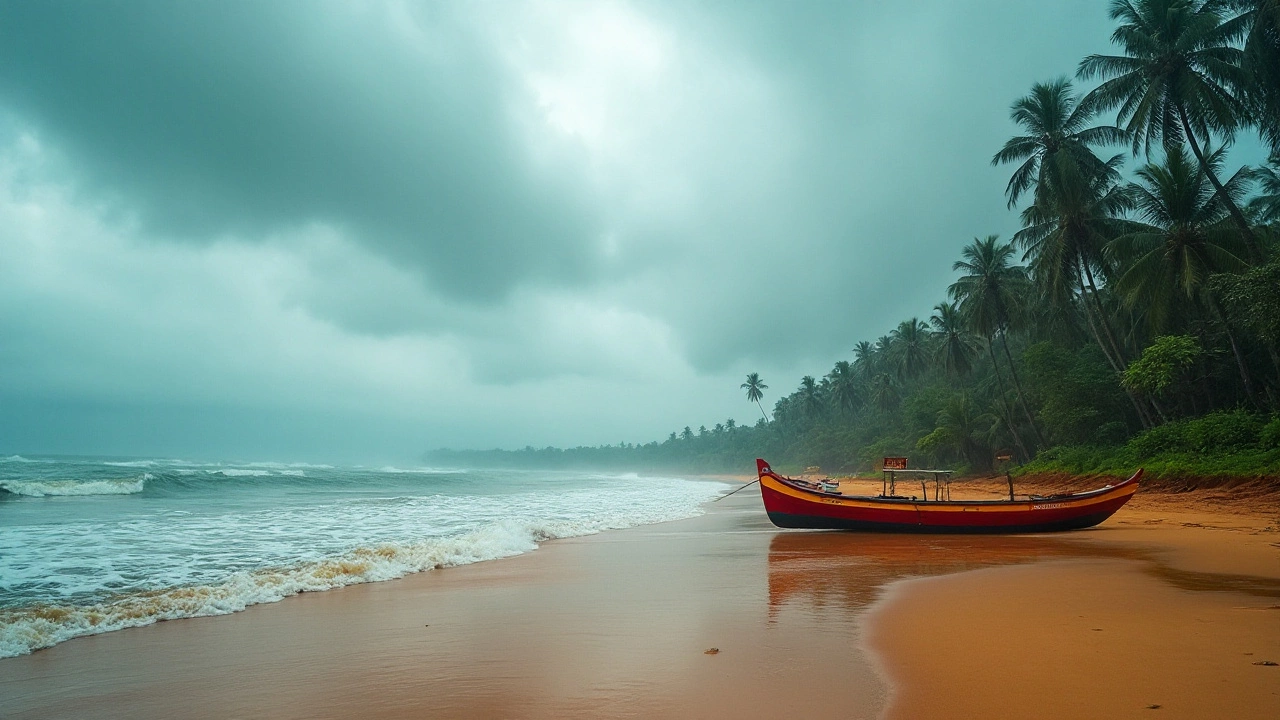
Finding Bargains: Visiting Goa on a Budget Month
Discovering the best months to travel to Goa on a budget can completely transform your holiday experience. This article explores when off-peak season occurs, shedding light on travel dynamics that can help you save while enjoying the zest of this vibrant Indian beach destination. We'll discuss cost-saving strategies and climate considerations to make the most out of your travel without emptying your pockets.