Ethnic Groups in India: Cultures, Traditions, and Real Travel Experiences
When you think of India, you might picture temples, tuk-tuks, or spicy street food—but the real heart of India lives in its ethnic groups in India, diverse communities with unique languages, customs, and ways of life that have shaped the country for thousands of years. Also known as indigenous tribes or tribal communities, these groups aren’t just part of India’s past—they’re alive today, in remote hills, dense forests, and quiet villages, keeping traditions alive without tourists or cameras.
There are over 700 distinct ethnic groups in India, each with their own rituals, dress, music, and food. The Gonds in Madhya Pradesh, the Naga tribes in Nagaland, the Santhals in Jharkhand, and the Irulas in Tamil Nadu aren’t just tourist attractions—they’re communities with deep knowledge of land, medicine, and survival. Many still live off the land, using herbal remedies passed down for generations, weaving cloth on handlooms, or singing oral histories that no book has recorded. Their way of life doesn’t fit into guidebooks, but it’s exactly what makes travel here meaningful.
Some of these groups are connected to the cultural tourism India, travel experiences focused on authentic interaction with local communities rather than sightseeing. Also known as community-based tourism, this kind of travel means staying in village homes, eating meals cooked by locals, and learning crafts directly from artisans—not just watching a performance for a fee. It’s not about exoticism; it’s about respect. And when done right, it helps these communities thrive without losing their identity.
You’ll find echoes of these groups in posts about India’s most welcoming regions, like North India’s village hospitality, or in guides to tribal festivals that aren’t on the usual tourist radar. You’ll see links to places like Panchgani, where quiet charm hides deep cultural roots, or Rameshwaram, where ancient beliefs still guide daily life. Even the idea of India having no single national dish? That’s because food here isn’t one thing—it’s hundreds of ethnic traditions, each with their own version of rice, lentils, or bread.
Some of these communities face pressure from modernization, land loss, or misrepresentation. But others are taking control—opening homestays, selling handmade goods online, and teaching outsiders how to visit responsibly. The best way to understand them isn’t from a distance. It’s by listening. By asking. By eating what they eat, wearing what they wear, and walking where they walk—with humility.
Below, you’ll find real stories from travelers who met these groups, guides to visiting tribal areas safely, and insights into how festivals, food, and family life vary from one ethnic community to the next. This isn’t a list of places to check off. It’s a chance to see India the way its people live it—without filters, without crowds, and without pretense.
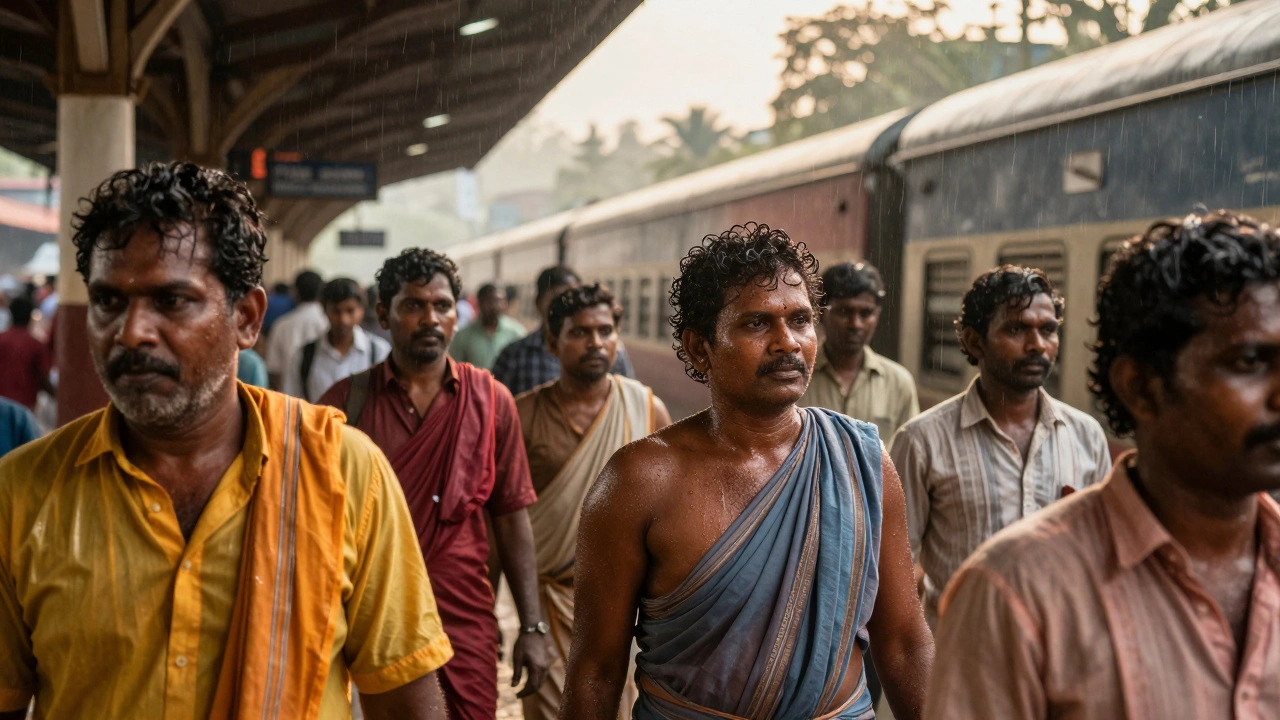
How racially diverse is India? A traveler’s guide to the country’s true ethnic mosaic
India's racial and ethnic diversity is far greater than most travelers realize. From Dravidian tribes in the south to Mongoloid communities in the northeast, the country is a mosaic of hundreds of distinct cultures-each with its own language, history, and identity.