Conservation in India: Protecting Wildlife, Habitats, and Cultural Roots
When we talk about conservation, the practice of protecting natural resources and biodiversity for future generations. Also known as environmental protection, it’s not just about keeping animals safe—it’s about keeping entire ecosystems alive, including the people who live alongside them. In India, conservation means more than fenced reserves and anti-poaching patrols. It’s the quiet work of wildlife sanctuaries taking in orphaned tigers, the farmers who let deer graze near their fields, and the tribal communities who’ve guarded sacred forests for centuries.
wildlife sanctuaries, protected areas where animals live free from hunting, trapping, or exploitation. Also known as animal refuges, they’re the backbone of India’s conservation efforts. These aren’t zoos. They don’t display animals for profit. They rescue, heal, and release—or if recovery isn’t possible, they give animals a lifetime of dignity in their natural habitat. Places like Jim Corbett and Bandhavgarh don’t just protect tigers; they restore grasslands, clean rivers, and reconnect fragmented forests. And it’s not just big mammals. Sanctuaries care for injured birds, rescued snakes, and even orphaned elephants—animals that would otherwise die alone or be sold illegally.
Conservation also ties into how we move through the land. trekking, hiking through natural landscapes with minimal impact. Also known as eco-walking, it’s one of the quietest ways to support conservation. When you hike in the Himalayas or the Western Ghats, you’re not just getting fit—you’re helping fund trail maintenance, local guides, and park services. Trekking routes often pass through buffer zones around protected areas, creating economic value for communities that might otherwise turn to logging or poaching. The same goes for ethnic tourism, travel that centers on learning from indigenous cultures and their traditional land practices. Also known as community-based tourism, it turns cultural heritage into a reason to protect nature. When you visit a tribal village in Odisha or Meghalaya and pay to stay with a family, eat their food, and learn their stories, you’re giving them a reason to keep their forests standing. No one protects what they don’t value—and tourism gives value to what’s often ignored.
Conservation in India isn’t a policy document. It’s a daily choice—by a sanctuary worker feeding a rescued leopard, by a trekker picking up trash on a trail, by a tourist choosing a homestay over a luxury resort. It’s in the red-tiled roofs of Panchgani, where quiet tourism helps keep hills from being paved over. It’s in the empty space under the golden roof at Chidambaram, reminding us that some things can’t be owned—only respected. And it’s in the millions who visit Rameshwaram or Kumbh Mela, not just for faith, but because these places are tied to rivers, land, and sacred groves that need protection.
What you’ll find below are real stories from the frontlines: how sanctuaries bring animals back from the edge, how trekking helps save forests, and how cultural traditions are quietly keeping India’s wild places alive. No fluff. No theory. Just what’s working—and why it matters.
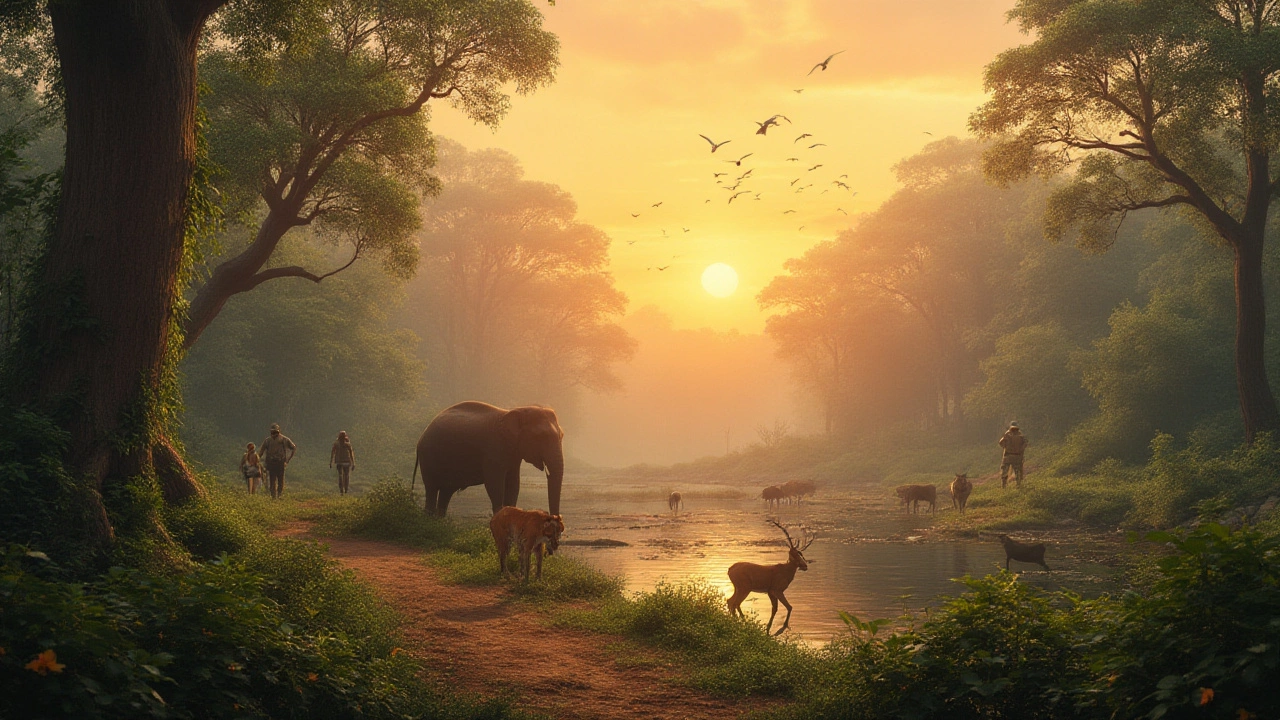
Are Wildlife Sanctuaries Safe for Animals? Exploring Facts, Risks, and Real Protection
Are animals truly safe in wildlife sanctuaries? Discover real facts, risks, protections, and what visitors can do to support wildlife inside protected areas.