Climate in India: How Weather Shapes Safaris, Festivals, and Travel Plans
When you plan a trip to India, a country with extreme seasonal shifts that dictate everything from animal behavior to festival dates. Also known as the Indian subcontinent, it’s not just a destination—it’s a living system driven by weather. The climate in India isn’t one thing. It’s a rhythm: scorching heat in May, sudden monsoon downpours in July, crisp mornings in October, and foggy winters in the north. This rhythm controls when animals move, when temples swell with pilgrims, and when you can actually see a tiger without sweating through your shirt.
Take wildlife safaris, a top reason tourists visit India. Safari tours in places like Ranthambore or Bandhavgarh only work during dry months. When the rains come, forests turn muddy, animals disappear into thick brush, and roads become impassable. But in winter, when water holes shrink, tigers come out to drink—and you get your best shot at spotting them. Meanwhile, in Kerala, the monsoon isn’t a problem—it’s the point. That’s when the backwaters glow green, and the air smells like wet earth and spice. The same rain that cancels a safari in Madhya Pradesh makes a hill station like Panchgani feel like a European village.
It’s not just about animals. Kumbh Mela, the world’s largest religious gathering, moves locations every three years, but it always happens when the stars align with the river’s seasonal flow. Diwali, India’s brightest festival, lands in autumn—right after monsoon ends—when skies are clear and the air is cool enough to light lamps without melting wax. Even trekking to Everest Base Camp depends on this. You don’t go in January when it’s -30°C, or in July when trails turn to sludge. You go in spring or fall, when the wind is calm and the mountains are visible.
What you need to know: There is no single best time to visit India. There are best times for each place and each experience. If you want to see elephants in Assam, go in April. If you want to avoid crowds at the Taj Mahal, skip winter. If you’re chasing festivals, track the lunar calendar. The climate doesn’t just affect your packing list—it decides whether your trip feels magical or miserable. Below, you’ll find real stories from travelers who got it right—and those who didn’t. They didn’t just pick a month. They picked a season that matched what they were looking for.
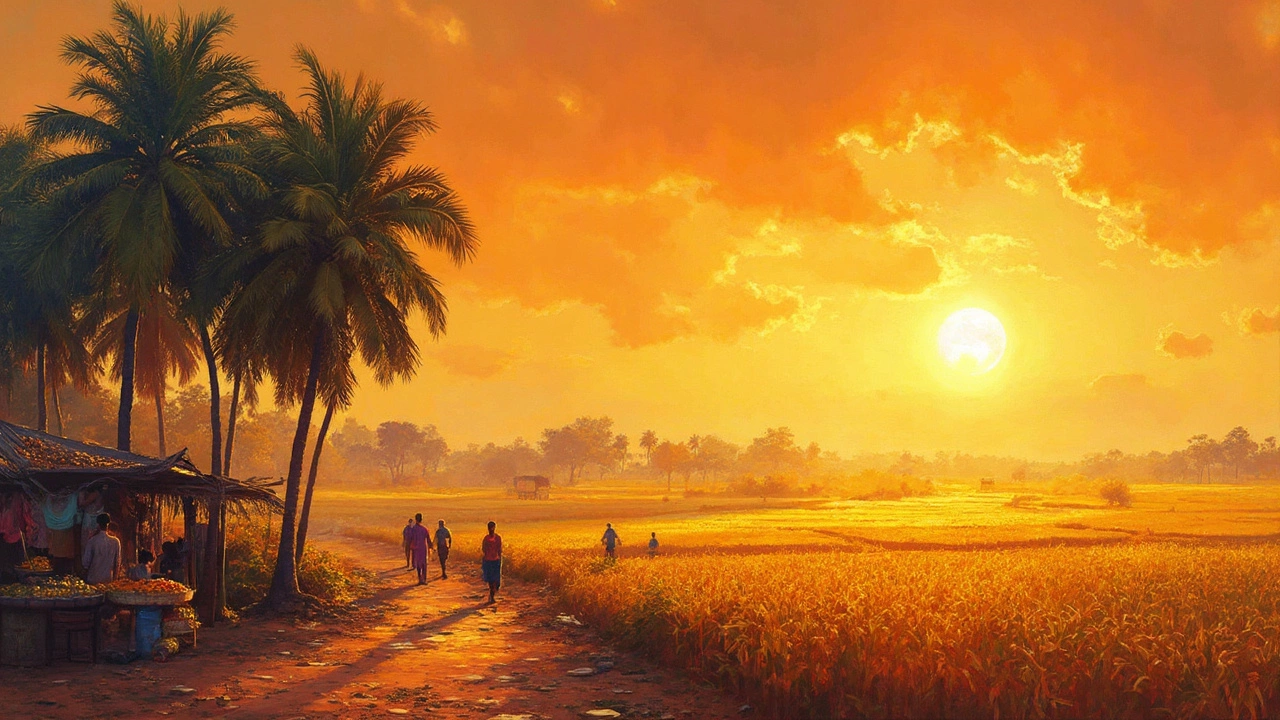
Hottest Month in South India: Travel Guide
South India is known for its lush landscapes and vibrant culture, but planning a trip requires an understanding of its climate. The hottest month varies depending on the specific region, but generally, April and May record the highest temperatures. This article explores the temperature variations, how to cope with the heat, and tips for enjoying your trip during the hotter months.