Best Month to Visit India: When to Go for Weather, Festivals, and Wildlife
When you're planning a trip to India, a country with extreme seasonal shifts, diverse ecosystems, and over 20 major festivals. Also known as the Indian subcontinent, it’s not just about picking a month—it’s about matching your travel goals to the rhythm of the land. There’s no single "best" time for everyone, but if you want clear skies for the Taj Mahal, dry trails for tiger spotting, or front-row seats to Diwali’s fireworks, certain months deliver better than others.
The best month to visit India, for most travelers, falls between October and March. This window covers the cool, dry winter and early spring across most of the country. In North India, including Delhi, Agra, and Rajasthan. Also known as the Hindi belt, temperatures drop from the scorching 45°C of summer to a comfortable 20–25°C. That’s when the air clears, dust settles, and the light turns golden—perfect for photography and long days of sightseeing. Meanwhile, in Kerala, the backwaters and hill stations like Munnar stay pleasant year-round, but November to February brings the lowest humidity and calmest waters for houseboat rides. And if you’re chasing wildlife, wildlife sanctuaries, like Ranthambore, Bandhavgarh, and Jim Corbett. Also known as India’s tiger reserves, open fully during this time. Dry forests mean animals gather near waterholes, making sightings far more likely than in the monsoon months.
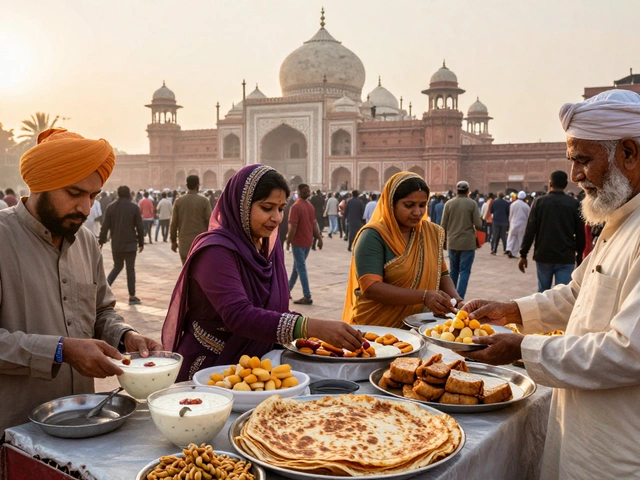
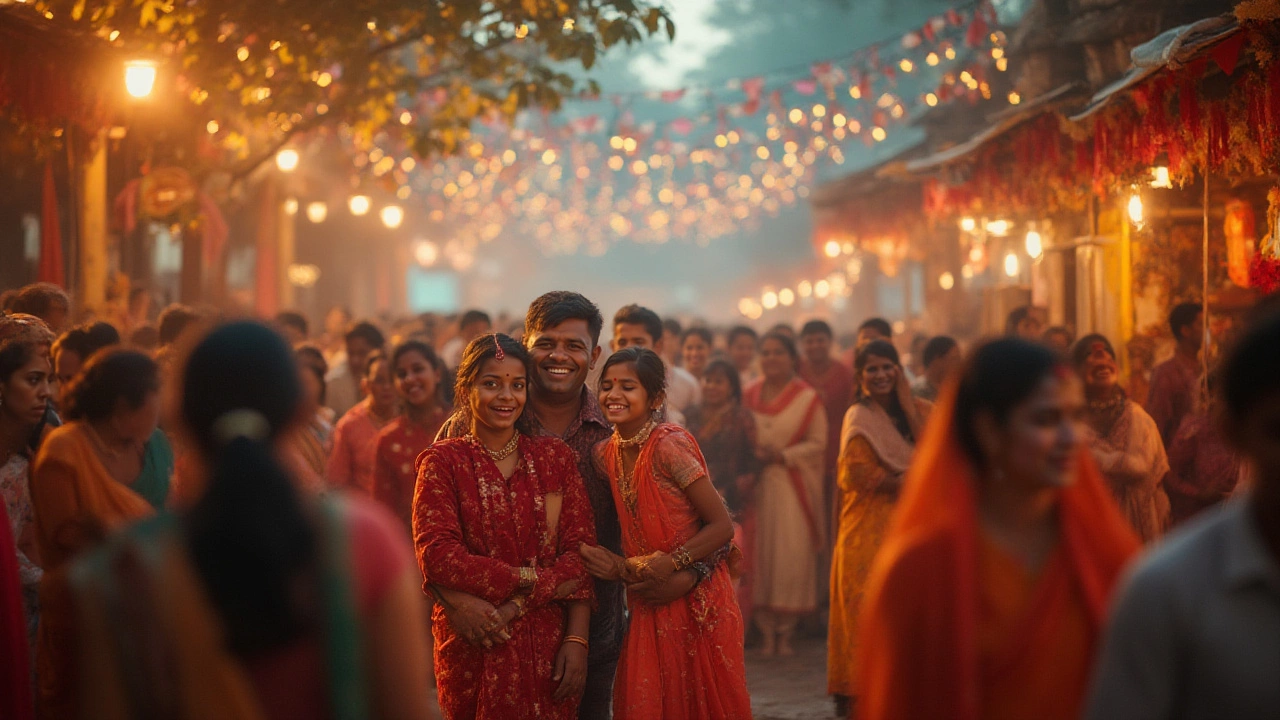
But timing isn’t just about weather. It’s about culture. If you want to experience Diwali, India’s biggest festival of lights. Also known as the Festival of Lights, it usually lands between mid-October and mid-November. Millions of homes, temples, and streets glow with lamps. It’s the perfect time to see India’s spiritual heart—and the busiest season for temple tours. If you’re drawn to massive gatherings, the Kumbh Mela, the world’s largest religious gathering. Also known as the Hindu pilgrimage, happens every 12 years in four cities, and the next one is in 2025. Planning around it means crowds, but also unforgettable moments. Even if you miss the Kumbh, smaller festivals like Holi in March or Durga Puja in October offer vibrant, local energy without the chaos of the mega-events.
Avoid April to June if you can. That’s when heatwaves hit North India hard, and humidity in the south makes everything feel sticky and slow. July to September brings monsoon rains—lush and beautiful, yes, but many trails close, roads flood, and safaris shut down. That’s not to say you can’t travel then; it’s just not ideal for first-timers or those chasing wildlife.
So, what’s the real answer? For most people, November through February is the sweet spot. Cool weather, clear skies, active wildlife, and festival energy all line up. Whether you’re standing under the Taj at sunrise, tracking a tiger through dry grass, or sharing sweets during Diwali, these months give you the best shot at an unforgettable India trip. Below, you’ll find real stories and guides from travelers who’ve been there—covering everything from budget tips to hidden gems, all tied to the best time to go.
Best Month to Visit India: Your Guide for Perfect Travel Timing
Discover the best month to visit India with tips on weather, festivals, and travel highlights so you can plan your perfect trip. Avoid crowds, get deals, and experience India's culture at its best.