Wildlife Protection in India: Safeguarding Animals, Sanctuaries, and Natural Habitats
When we talk about wildlife protection, the collective efforts to preserve wild animals and their natural environments from harm, exploitation, and extinction. Also known as animal conservation, it’s not just about saving tigers or elephants—it’s about keeping entire ecosystems alive so nature can keep working the way it should. In India, this means protecting forests, wetlands, and grasslands where animals like leopards, rhinos, and pangolins still survive against rising pressures from development, poaching, and climate change.
Wildlife sanctuaries, protected areas where animals live free from hunting or habitat destruction, often serving as last-resort refuges for injured, orphaned, or illegally traded wildlife. These aren’t zoos. They don’t put animals on display. They give them space, care, and dignity—like the ones that take in elephants rescued from illegal logging camps or birds freed from the pet trade. Habitat conservation, the practice of restoring and defending natural environments so animals can live, breed, and migrate safely. Without clean rivers, untouched forests, and safe corridors between parks, even the best sanctuary won’t help. That’s why protecting land matters as much as protecting the animals on it.
Wildlife rehabilitation, the process of caring for injured or displaced animals until they can return to the wild. It’s messy, expensive, and rarely glamorous—but it works. A vulture with a broken wing, a deer hit by a car, a baby monkey stolen from the wild—these aren’t just cases. They’re chances to fix what humans broke. And in India, dozens of small, local teams do this every day, often with no funding, no media attention, just grit and purpose.
Wildlife protection isn’t a luxury. It’s survival—for animals, for forests, and for us. Healthy ecosystems mean cleaner air, stable water supplies, and even better crop yields. When you protect a tiger, you’re also protecting the trees it lives under, the rivers it drinks from, and the villages that depend on those same resources. This isn’t abstract. It’s real. It’s happening right now in Corbett, Kaziranga, and dozens of lesser-known reserves across the country.
What you’ll find below are real stories from the ground: how sanctuaries rescue animals no one else will, how communities are learning to live alongside predators, and why some of India’s most important conservation wins happened quietly, far from headlines. These aren’t theory pieces. They’re accounts from people who show up every day—vets, rangers, volunteers, and locals—who refuse to let nature fade away.
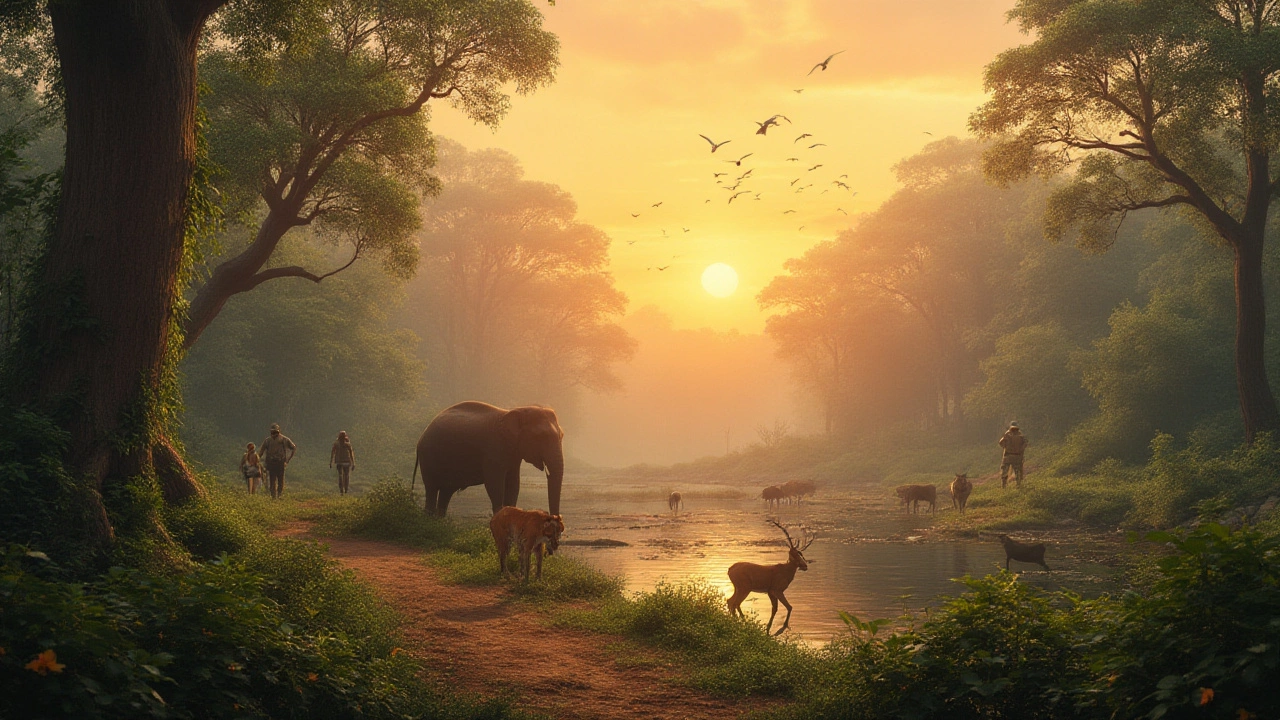
Are Wildlife Sanctuaries Safe for Animals? Exploring Facts, Risks, and Real Protection
Are animals truly safe in wildlife sanctuaries? Discover real facts, risks, protections, and what visitors can do to support wildlife inside protected areas.