When to Visit India: Best Seasons for Wildlife, Festivals, and Weather
When to visit India isn’t just about picking a month—it’s about matching your travel goals with the country’s rhythm. India’s climate, a mix of tropical heat, mountain chill, and monsoon rains. Also known as subcontinental weather patterns, it shifts dramatically across regions, making timing everything. If you want to spot tigers in Ranthambore or spot elephants in Kanha, you need dry, cool months when animals gather near waterholes. If you’re chasing Diwali lights or the chaos of Kumbh Mela, you’re chasing a calendar, not a forecast.
Wildlife safari season, runs from October to June, with peak visibility between February and April. During this window, forests thin out, temperatures stay mild, and animals move freely—no one wants to trek through monsoon mud or sweltering May heat. Meanwhile, North India, including Rajasthan, Delhi, and the Himalayas. Also known as the tourist heartland, it’s best avoided in summer when temperatures hit 45°C, and winter (November–February) is ideal for temple tours and desert safaris. South India, like Kerala and Tamil Nadu, flips the script: October to March is dry and pleasant, while the monsoon (June–September) brings lush greenery but limits beach access. Goa’s beach season? November to February. No point showing up in July expecting sunbathing.
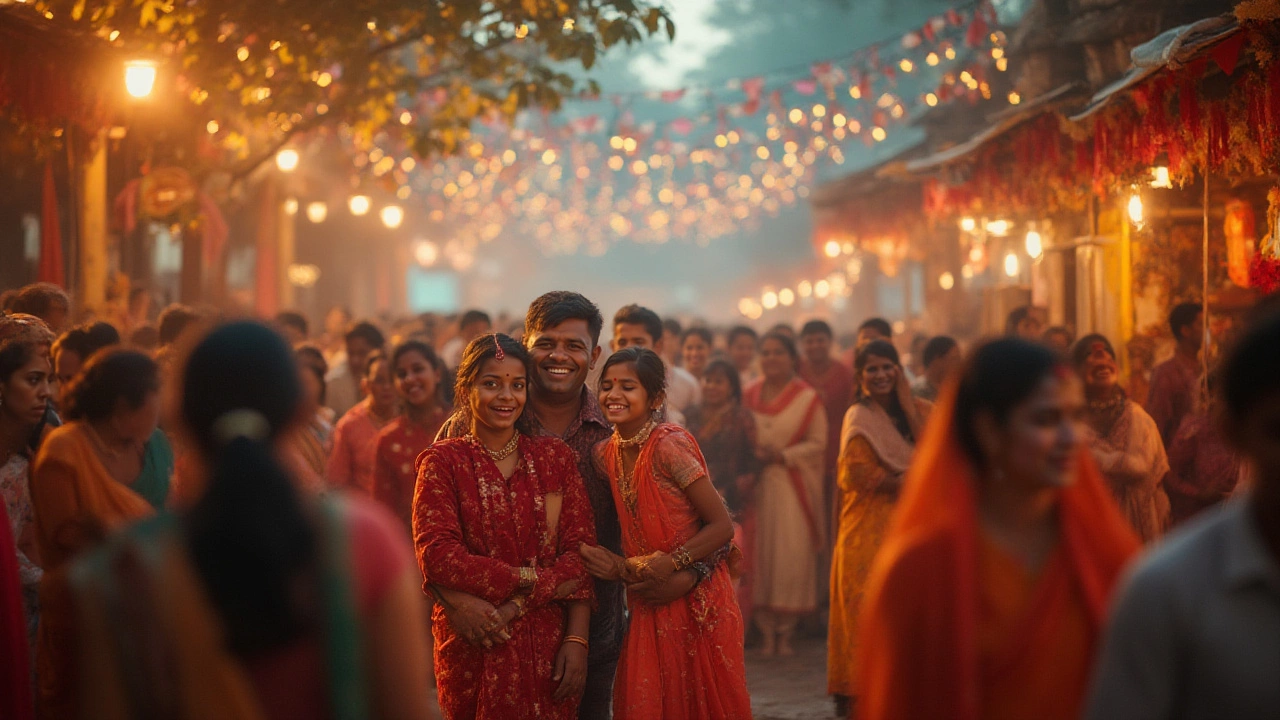
And then there are the festivals. Diwali in October or November turns cities into glittering wonderlands—hotels book out months ahead. Holi in March is pure joy, but you’ll get covered in color. Kumbh Mela happens every 12 years in Prayagraj, but smaller versions occur every three years. If you’re planning around these, your dates aren’t flexible—they’re fixed by ancient cycles. Don’t just check the weather; check the lunar calendar.
Want to trek? The Everest Base Camp trail opens in late February and closes by May. Monsoon turns trails into rivers, and winter snows block high passes. If you’re heading to Ladakh, May to September is your only window—the roads don’t open until May. And if you’re after quiet, misty hill stations like Panchgani or Munnar, skip the holidays. July to September brings fog and fewer tourists, but also slippery paths and closed viewpoints.
There’s no single best time to visit India. There are six best times, depending on what you want to do. The trick is knowing which season unlocks your dream experience. Below, you’ll find real travel stories from people who planned their trips around wildlife, festivals, and weather—not just brochures. Whether you’re chasing tigers, temples, or quiet mountain trails, the right timing makes all the difference.
Best Month to Visit India: Your Guide for Perfect Travel Timing
Discover the best month to visit India with tips on weather, festivals, and travel highlights so you can plan your perfect trip. Avoid crowds, get deals, and experience India's culture at its best.