UNESCO World Heritage Sites in India: Top Destinations and Why They Matter
When you hear UNESCO World Heritage, a list of places around the world recognized for their outstanding cultural or natural value. Also known as World Heritage Sites, these are locations that matter not just to one country, but to all of humanity. India holds 42 of them—more than any country in South Asia. These aren’t just tourist spots. They’re living pieces of history, ecosystems, and spiritual traditions that have survived for centuries—and still shape how people live today.
Some of these sites are built by kings and emperors, like the Taj Mahal, a marble mausoleum in Agra built by Emperor Shah Jahan in memory of his wife. Others are ancient cities, like Khajuraho, a cluster of temples covered in intricate carvings that tell stories of love, devotion, and daily life from 1,000 years ago. Then there are places like Kaziranga National Park, a wild refuge in Assam where more than two-thirds of the world’s one-horned rhinos still roam. Each one tells a different story: of art, of survival, of faith, or of nature’s resilience.
What makes these sites special isn’t just their beauty. It’s how they connect people across time. The Ellora Caves, a series of rock-cut temples carved out of a cliff face, blending Hindu, Buddhist, and Jain traditions in one single landscape, show how different faiths lived side by side. The Great Himalayan National Park, a protected mountain zone in Himachal Pradesh home to snow leopards, blue sheep, and rare alpine plants, proves that conservation works when communities and governments work together. These aren’t frozen in time—they’re active parts of India’s present.
You’ll find UNESCO World Heritage Sites in every corner of the country: from the colonial architecture of Chandigarh, a planned city designed by Le Corbusier that redefined modern urban living in India, to the sacred riverfronts of Varanasi, where rituals have flowed along the Ganges for over 3,000 years. Some are crowded with visitors; others feel like secrets. But all of them carry weight—because they’ve been chosen by experts from around the world as irreplaceable.
What you’ll find in the posts below are real stories from these places: why a hill station in Maharashtra feels like Italy, how a temple with no idol became the most unique in India, and why trekking in the Himalayas isn’t just exercise—it’s a pilgrimage. These aren’t just travel tips. They’re glimpses into what makes these sites more than landmarks. They’re living, breathing parts of who India is—and who we all are, connected by what we choose to protect.
Oldest World Heritage Site in India: Exploring the Ancient Roots
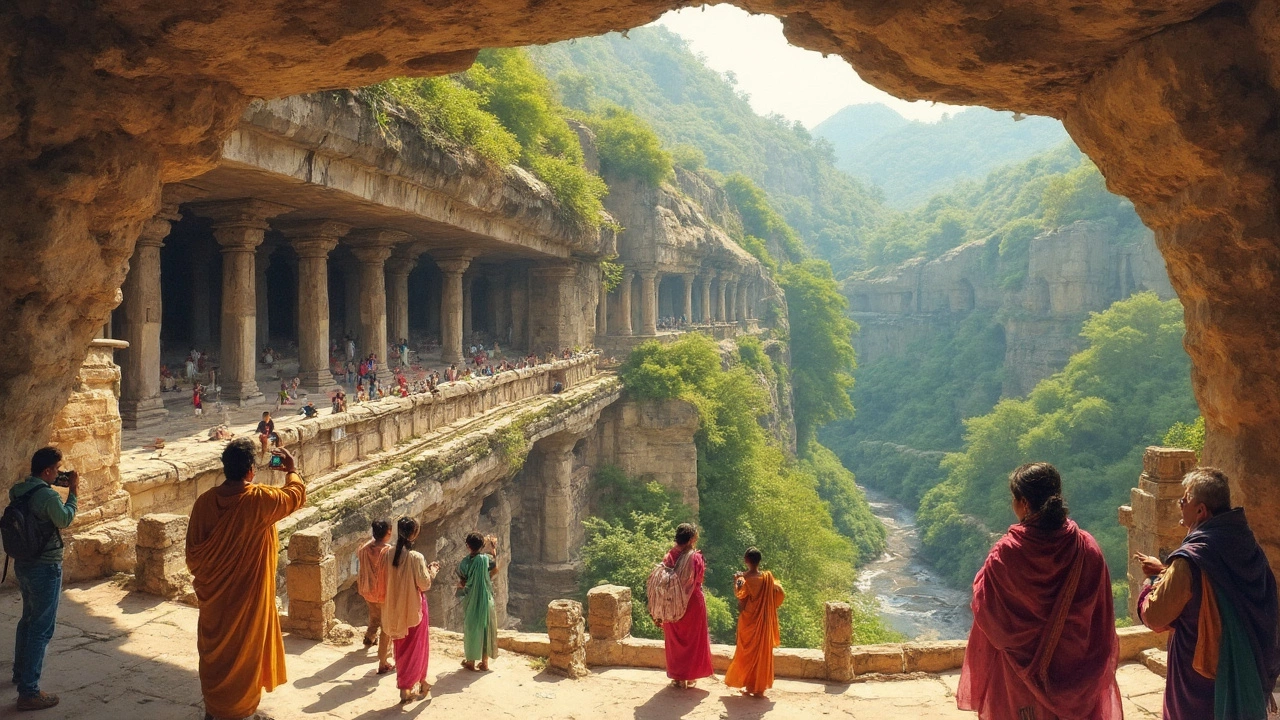
Curious about where India's oldest World Heritage Site is? This article pinpoints the very first UNESCO-recognized site, reveals what makes it so unique, and offers handy tips if you want to see it yourself. Expect fascinating details about its age, art, and how to experience it without the usual tourist hassle. Whether you're planning a trip or just love history, you'll get practical info here. Prepare for a peek into a piece of ancient India that still surprises experts today.