UNESCO Heritage Site: India's Most Important Cultural and Natural Treasures
When we talk about a UNESCO heritage site, a place recognized by the United Nations for its outstanding cultural or natural value to humanity. Also known as a World Heritage Site, it’s not just a tourist spot—it’s a living piece of history, ecology, or tradition that the world has agreed to protect. India has 40 of these sites, more than any country in South Asia, and they’re not just old buildings. They’re sacred temples, forgotten cities, wild forests, and sacred rivers that still shape how people live today.
These sites fall into two clear groups: cultural heritage, places shaped by human history, belief, and art like the Taj Mahal and Khajuraho temples, and natural heritage, areas where nature itself is so rare or powerful it deserves global protection like the Kaziranga National Park and Sundarbans. What’s interesting is how often these two overlap. The Khangchendzonga National Park in Sikkim, for example, is both a wild mountain ecosystem and a sacred space for local communities. That’s why UNESCO doesn’t just look at beauty—it looks at meaning. A site isn’t chosen because it’s pretty. It’s chosen because it tells a story no other place can.
You’ll find these sites scattered across India—not just in the big tourist cities, but deep in the forests of Madhya Pradesh, along the coast of Gujarat, and up in the Himalayas. Some, like the Hill Forts of Rajasthan, are massive complexes with palaces and water systems built centuries ago. Others, like the Rock Shelters of Bhimbetka, are ancient cave paintings older than the pyramids. And then there are places like the Great Himalayan National Park, where animals like snow leopards and blue sheep still roam freely because the land was protected before tourism even existed. These aren’t museums behind fences. They’re active parts of India’s present.
What ties all these places together? They’re all under threat—from overcrowding, pollution, or neglect. That’s why being a UNESCO site isn’t just an honor. It’s a promise. A promise to keep the past alive so future generations can walk where kings walked, swim where elephants drank, and feel the silence of forests untouched by roads. And that’s why the posts below matter. They don’t just list these places. They show you how to see them right—whether you’re hiking to a hidden temple in Tamil Nadu, learning why a wildlife sanctuary is also a heritage site, or figuring out why a hill station like Panchgani feels like a piece of Italy but belongs to India’s story. These are the places that don’t just look good in photos. They change how you see the world.
Discovering India’s Latest UNESCO Heritage Site
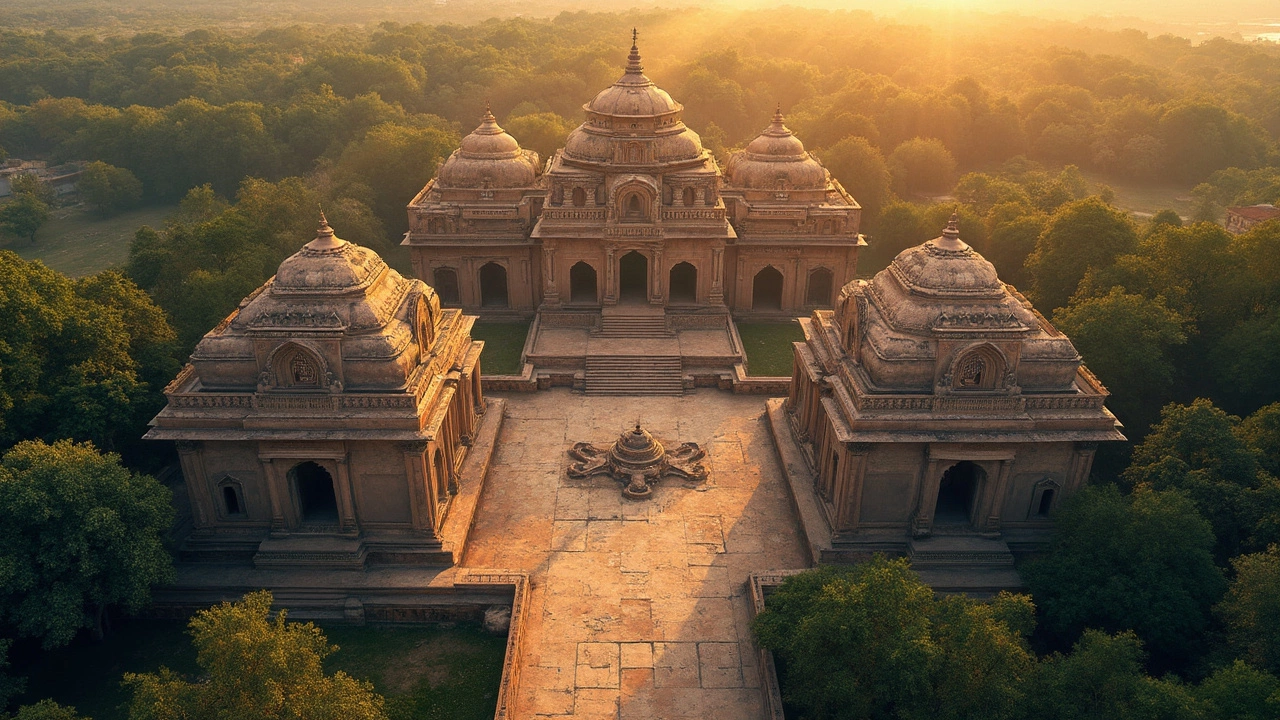
The latest addition to India's UNESCO World Heritage sites list is an exciting blend of culture and history. Rooted deep in heritage, this site captures the essence of India’s rich legacy. Dive into its significance, unique elements, and why it deserves a spot on your travel list. From fascinating architectural details to cultural importance, learn what makes this site a must-visit.