UNESCO Sites in India: Where Culture, Nature, and History Meet
When you think of UNESCO, a United Nations agency that protects the world’s most important cultural and natural places. It’s not just about old buildings or pretty landscapes—it’s about places that tell the story of who we are and what we’ve fought to save. India has 42 of them, more than any country in South Asia. These aren’t just tourist spots. They’re living, breathing parts of our identity—from the Taj Mahal’s marble silence to the forests of Kaziranga where one-horned rhinos still roam free.
UNESCO doesn’t just list places. It protects them. That means places like Khajuraho’s temples, famous for their intricate carvings and ancient spiritual art aren’t frozen in time—they’re actively cared for. The same goes for Sundarbans, the world’s largest mangrove forest and home to Bengal tigers. These aren’t just parks. They’re ecosystems protected because they’re irreplaceable. And then there are the living cultures: the Jaipur City, a planned city built on ancient principles of astronomy and design, where pink walls and bazaars still follow centuries-old rhythms. UNESCO recognizes these not as museum pieces, but as active, evolving traditions.
What you’ll find in the posts below isn’t just a list of sites. It’s the real stories behind them. Why is Rameshwaram both a Jyotirlinga and a Char Dham? How do wildlife sanctuaries in India tie into global conservation efforts? Why does a quiet hill station like Panchgani feel like Italy? These places aren’t random—they’re connected. Whether it’s through shared history, protected land, or cultural pride, UNESCO is the thread. You’ll read about how trekking in the Himalayas isn’t just exercise—it’s walking through a World Heritage landscape. You’ll see how festivals like Kumbh Mela aren’t just religious events—they’re living heritage recognized by UNESCO’s intangible list. And you’ll learn why places like Agra aren’t just tourist traps, but global symbols of love, loss, and legacy.
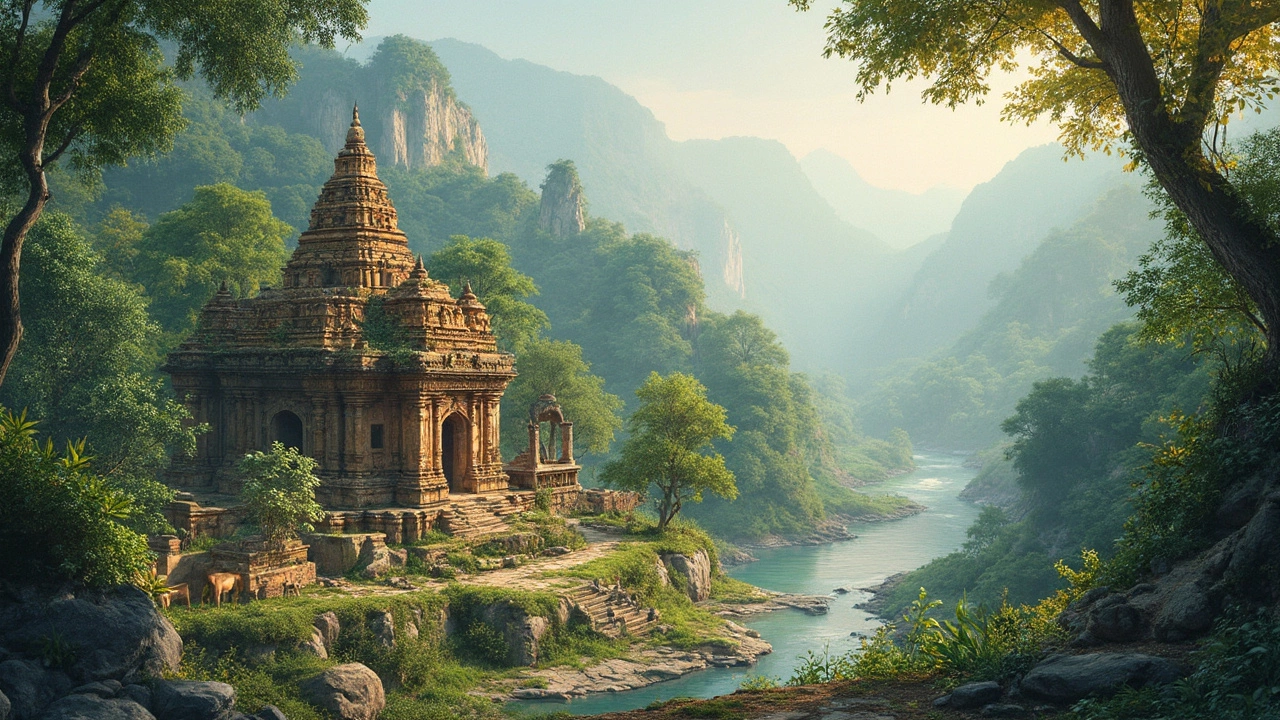
Top Mixed World Heritage Sites in India: Nature and Culture Together
Discover India's rare mixed World Heritage sites, where ancient culture and stunning nature meet. Find insights, tips, and fascinating facts about these UNESCO treasures.
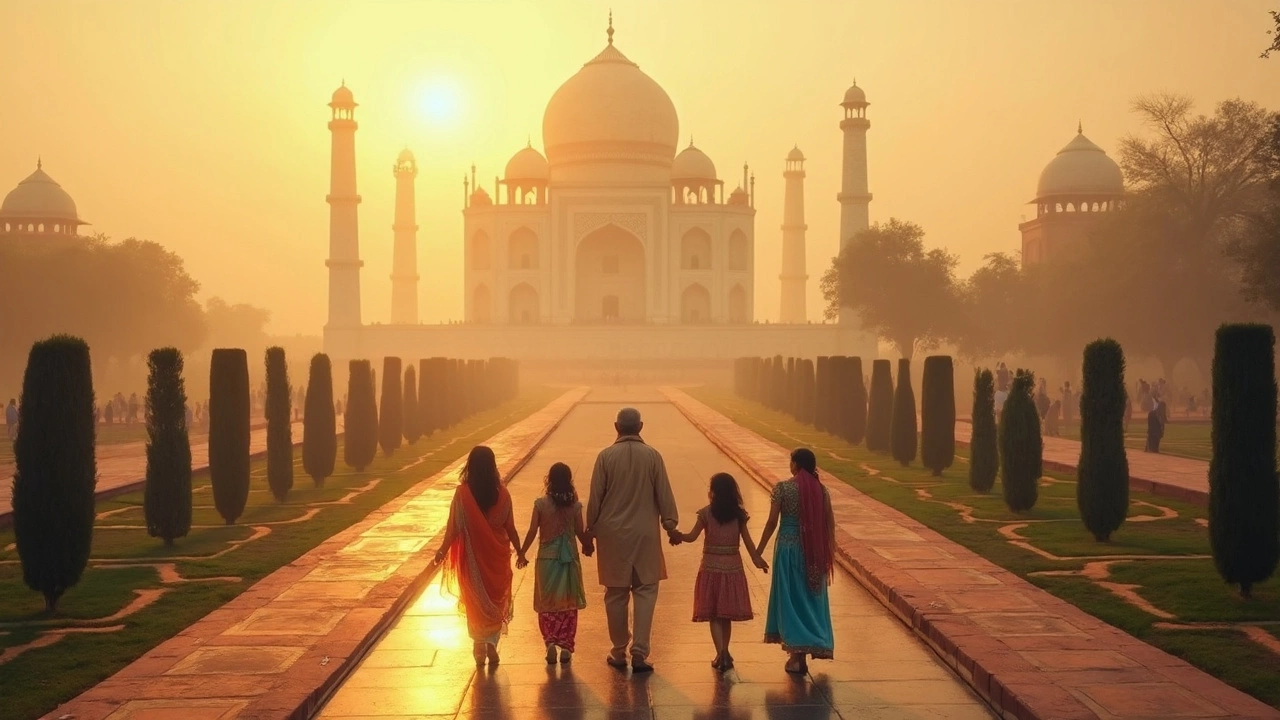
Heritage Sites in India: Why They Matter More Than Ever
Heritage sites in India do more than just attract tourists—they keep ancient stories, art, and traditions alive for everyone. From the famous Taj Mahal to the hidden stepwells of Gujarat, each site has something unique to teach us about India's journey through time. These places aren't just relics; they shape how we see ourselves and pass on values to the next generation. Explore why protecting them is crucial and how even a regular family trip can make a difference. Get practical tips and surprising facts to spark curiosity about India's living history.