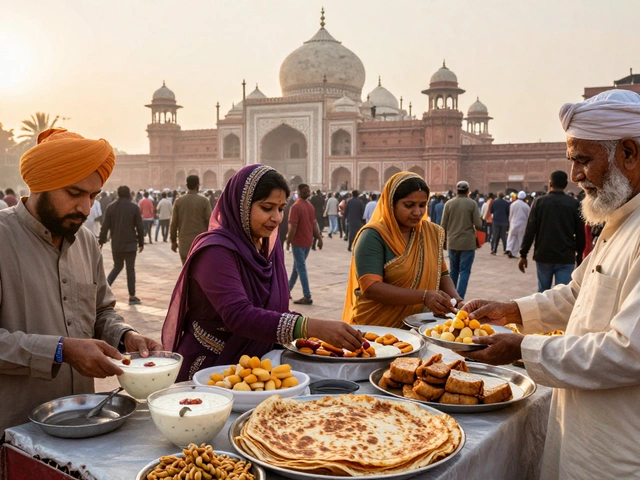
Taj Mahal: The Iconic Monument of Love and Indian Heritage
When you think of India’s most famous landmark, one name comes up instantly: Taj Mahal, a white marble mausoleum built by Emperor Shah Jahan in memory of his wife Mumtaz Mahal. Also known as the Monument of Love, it’s not just a building—it’s a story carved in stone, standing since 1653 on the banks of the Yamuna River in Agra. This isn’t just a tourist spot. It’s a masterpiece of Mughal architecture, a blend of Persian, Islamic, and Indian design styles that reached its peak under the Mughal emperors, where symmetry, inlay work, and gardens weren’t just decorative—they were spiritual expressions.
The Taj Mahal, a UNESCO World Heritage Site since 1983, draws over 7 million visitors a year—not because it’s old, but because it still moves people. The way the marble changes color from pink at dawn to gold at sunset, the silence inside the main chamber, the reflection in the long pool—it all feels intentional, almost sacred. And it’s not just about the structure. The surrounding gardens, the red sandstone mosque, the guest house, the entire complex was planned as a paradise on earth, following Islamic ideas of heaven. This is why travelers from Japan to Brazil come here—not for a photo op, but to feel something real.
What makes the Taj Mahal different from other ancient sites? It wasn’t built for power or war. It was built because a man lost the woman he loved. That human story gives it weight no other monument has. You’ll find posts here about how to visit Agra without the crowds, what time of day gives you the best light, how the local guides explain the hidden symbolism in the carvings, and why this site still holds up against modern wonders. You’ll also see how it connects to other Indian heritage spots—like Fatehpur Sikri or Humayun’s Tomb—places that share the same architectural DNA. Whether you’re planning your first trip to India or you’ve been before, the Taj Mahal isn’t just on your list. It’s the reason you came.
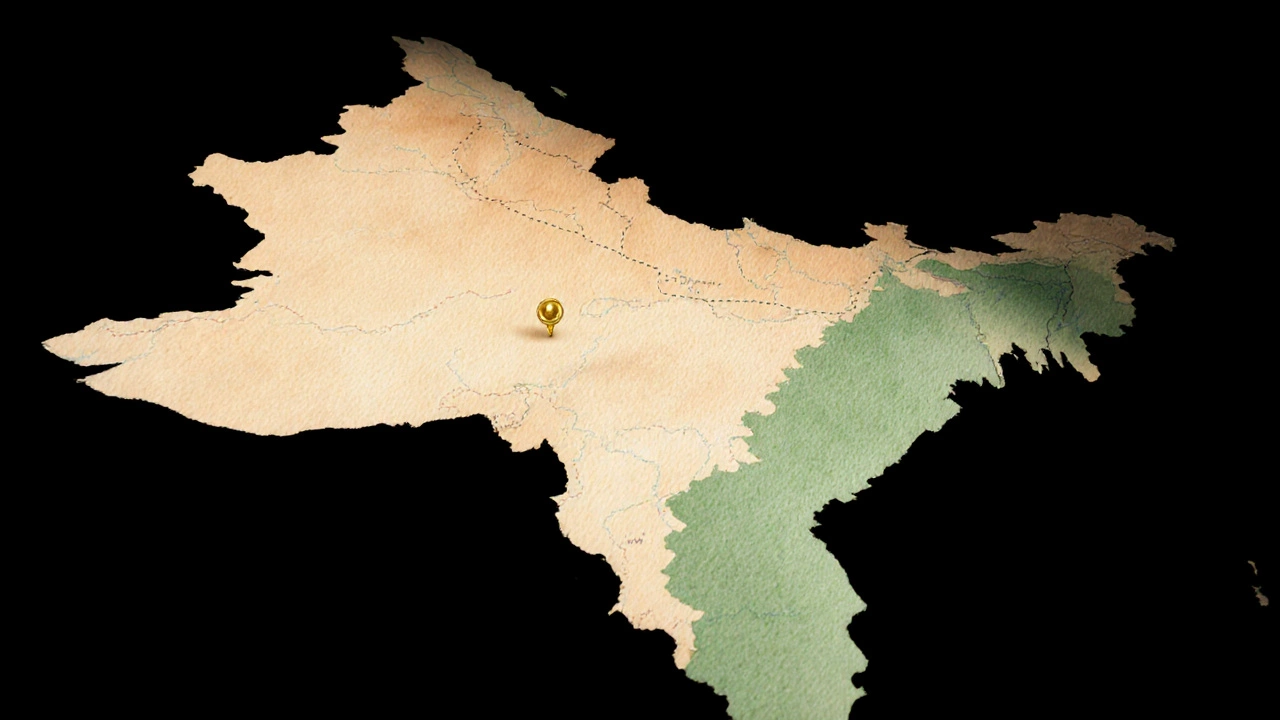
Is Agra in North or South India? Find Out the Truth
Discover why Agra belongs to North India-not South-by exploring geography, history, state borders, climate and travel tips in a clear, 2025‑ready guide.