Safety Tips Punjab: Essential Travel Advice for Visiting Punjab
When you think of Punjab, a vibrant, culturally rich state in North India known for its warm hospitality, bustling bazaars, and deep spiritual heritage. Also known as the land of five rivers, it’s one of the most welcoming places in India for travelers—whether you’re visiting the Golden Temple in Amritsar, exploring the historic forts of Ludhiana, or riding through the green fields of rural Punjab. The truth? Punjab is one of the safest states in India for tourists. Crime rates are low, locals are quick to help, and public spaces are generally well-monitored. But like anywhere, knowing a few simple rules makes your trip smoother, safer, and more enjoyable.
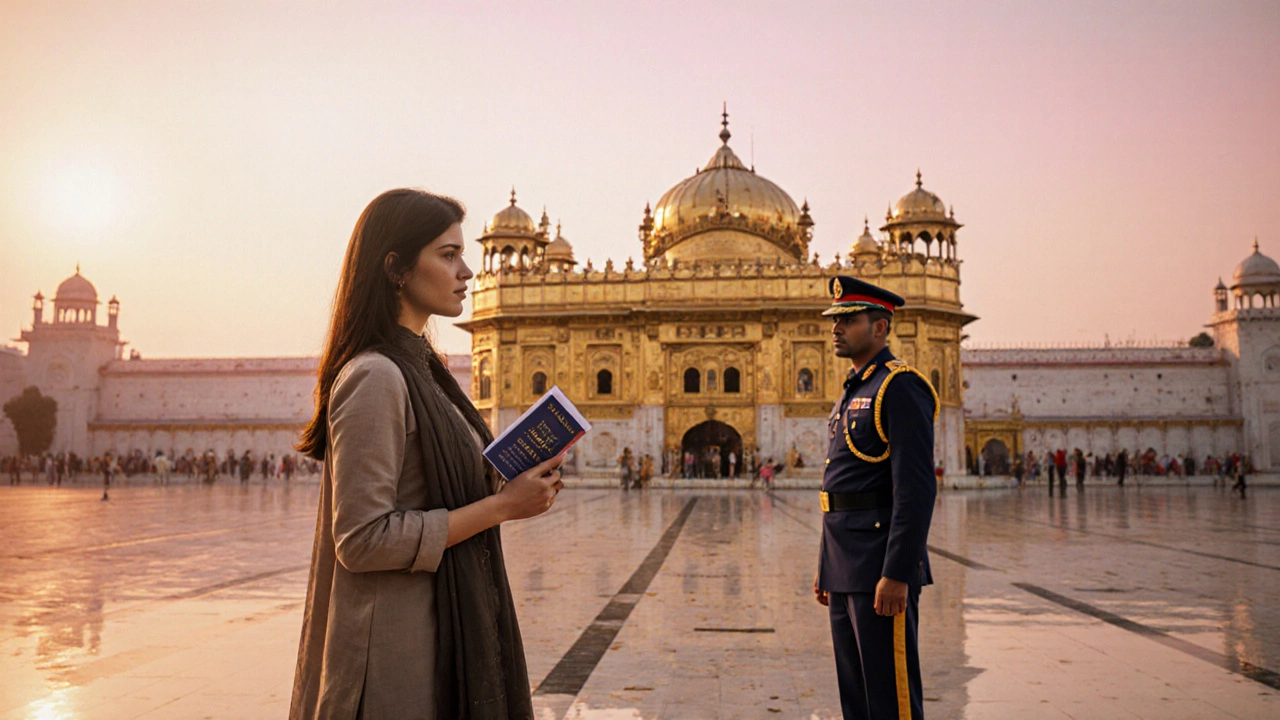
One of the biggest concerns travelers have is about political tension or border proximity—but that’s mostly outdated. Punjab’s borders with Pakistan are tightly controlled, and tourist areas are hundreds of kilometers away from sensitive zones. You won’t see military checkpoints in Amritsar or Chandigarh unless you’re near the actual border. What you will see are friendly shopkeepers offering chai, families picnicking by the Ravi River, and pilgrims from all over the world walking peacefully through the Golden Temple complex. The real safety tips aren’t about fear—they’re about respect and awareness. Dress modestly when visiting gurdwaras. Remove your shoes before entering any religious site. Avoid public displays of affection, especially in smaller towns. These aren’t rules to restrict you—they’re ways to honor the culture that welcomes you.
Transportation in Punjab is reliable and affordable. Taxis and auto-rickshaws are common in cities, and ride-hailing apps like Ola and Uber work well in Amritsar, Ludhiana, and Chandigarh. Always agree on a fare before getting in, or insist on using the meter. If you’re renting a car, make sure the driver knows the route—many rural roads aren’t well-signed. For solo travelers, especially women, traveling during daylight hours is always wiser. Night travel by bus or train is generally safe, but it’s smart to book AC compartments and avoid isolated platforms. And while Punjab is famous for its food, stick to busy, clean eateries. Street food is delicious and safe if it’s freshly cooked and served hot—look for places with a line of locals waiting.
Weather can also affect safety. Summers in Punjab get brutally hot—temperatures often hit 45°C. Stay hydrated, wear a hat, and avoid long walks under the midday sun. Monsoon season brings heavy rain and occasional flooding in low-lying areas, so check forecasts before heading to rural villages. Winters are mild and perfect for sightseeing, but mornings can be foggy, especially near the border. Drive slowly and keep your headlights on.
What makes Punjab truly safe isn’t just law enforcement—it’s community. People look out for each other. If you look lost, someone will stop and ask if you need help. If you’re carrying a bag, someone might remind you to keep it close. That’s not paranoia—that’s everyday kindness. You don’t need to be wary of everyone. Just be aware. Carry a copy of your ID. Keep emergency numbers saved. Know where your hotel is. These small steps turn a good trip into a great one.
Below, you’ll find real stories, practical advice, and up-to-date insights from travelers who’ve walked these streets, sat in these gurdwaras, and eaten at these roadside dhabas. Whether you’re planning your first trip to Punjab or returning after years, these posts give you the no-fluff, on-the-ground truth you need to travel with confidence.
Punjab Safety for Female Travelers: What to Know
Explore Punjab safely as a solo female traveler with up‑to‑date statistics, practical tips, trusted accommodations, and emergency contacts for a confident journey.