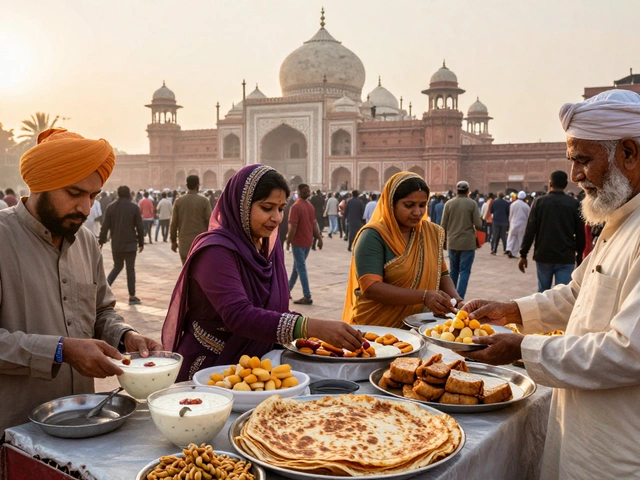
Origins of Hinduism: How Ancient Traditions Shaped Modern India
When we talk about the origins of Hinduism, the world’s oldest living religion, rooted in the Indus Valley and Vedic texts over 4,000 years ago. Also known as Sanatana Dharma, it doesn’t have a single founder, a single holy book, or a single moment of birth—it grew from countless local beliefs, rituals, and stories passed down through generations. Unlike other major religions, Hinduism wasn’t spread by conquest or organized missionary work. It evolved through daily life—in villages, along rivers, inside temples, and during harvests. This is why you’ll find its fingerprints everywhere in India today, from a farmer offering rice to a river to a family lighting lamps for Diwali.
One of the clearest signs of its enduring influence is the Jyotirlinga, twelve sacred shrines where Shiva is worshipped as a column of light, believed to be the first manifestation of the divine. Jyotirlingas are not just temples—they’re pilgrimage anchors that have guided millions for centuries. Rameshwaram, one of these sites, is also part of the Char Dham, the four holiest pilgrimage circuits in Hinduism, each tied to a cardinal direction and a spiritual goal. Char Dham includes Badrinath, Dwarka, Puri, and Rameshwaram. These places aren’t tourist spots—they’re destinations where people come to reset their lives, seek forgiveness, or simply feel connected to something older than time. And then there are the festivals. The Kumbh Mela, the largest religious gathering on Earth, where over 100 million people bathe in sacred rivers at once. Kumbh Mela isn’t just a ritual—it’s a living archive of Hindu belief, where ancient chants, yoga practices, and spiritual debates happen side by side with modern tents and mobile medical units. It proves that the origins of Hinduism aren’t buried in history books. They’re alive in the mud, the chants, and the quiet moments before dawn at a riverside ghat.
These aren’t isolated traditions. They’re threads in a single, unbroken fabric. The same people who pray at a Jyotirlinga also celebrate Diwali with fireworks and sweets. The same rivers that flow past Rameshwaram also carry the ashes of the departed. The same hills that echo with Vedic hymns now host trekkers heading to Everest Base Camp—because for many Indians, spirituality and adventure are two sides of the same path. You won’t find a single origin story for Hinduism because it doesn’t need one. It’s not a doctrine. It’s a way of seeing the world—in nature, in family, in silence, in noise.
What you’ll find in the posts below are real stories that show how these ancient roots still shape travel, identity, and daily life in India. From the quiet mystery of Chidambaram’s empty shrine to the roar of millions at Kumbh Mela, these aren’t just facts—they’re living experiences. You’ll see how pilgrimage isn’t just about religion. It’s about belonging. And how the oldest religion on Earth is still being written, one traveler, one ritual, one sunrise at a time.
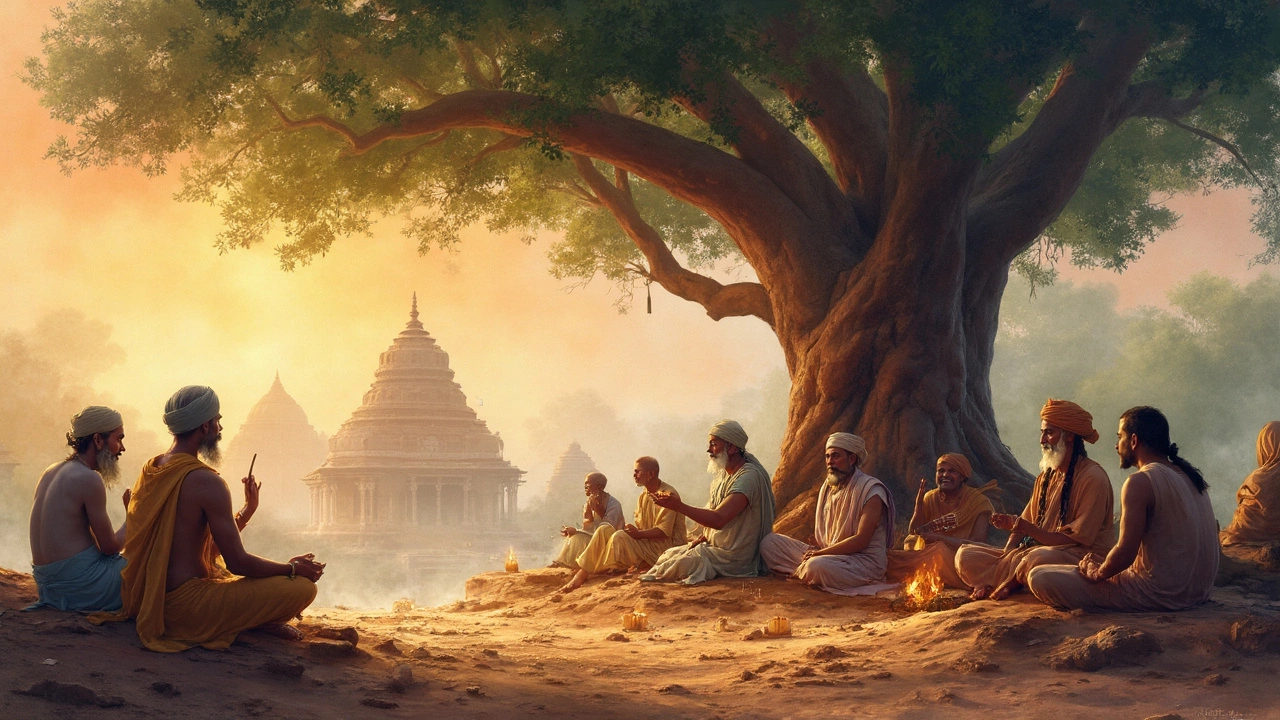
Who is the Founder of Hinduism? Exploring India's Ancient Spiritual Roots
Wondering who started Hinduism? The truth might surprise you. Instead of one founder like many religions, Hinduism grew over thousands of years, shaped by countless sages and traditions. We'll dig into how this ancient way of life took shape, why temples are central, and what makes exploring India’s holy sites special for both travelers and spiritual seekers. Dive in for tips that make your temple visits more meaningful.