Oldest Heritage Site in India: Discover the Country’s Most Ancient Treasures
When you think of oldest heritage site in India, a place where human history first took root in the subcontinent, often marked by ruins, rituals, and enduring architecture. Also known as ancient Indian heritage site, it’s not just about stone and mortar—it’s about the people who built, worshipped, and lived here over 5,000 years ago. The answer isn’t a grand temple or a royal palace. It’s a city that vanished from maps, only to be dug up again in the 1920s: Mohenjo-daro, a planned urban center of the Indus Valley Civilization, with advanced drainage, standardized bricks, and no visible temples or palaces. This site, along with Harappa, is the oldest known urban settlement in India, dating back to 2600 BCE—older than the pyramids of Giza.
What makes Mohenjo-daro special isn’t just its age. It’s the quiet sophistication. No kings are carved into its walls. No grand statues honor gods. Instead, there are grid streets, public baths, and homes with private wells. This tells us something rare: early Indian society valued order and community over hierarchy. Compare that to later sites like Agra Fort, a 16th-century Mughal stronghold built for power and defense. Agra Fort is stunning, but it’s a thousand years younger. The same goes for the temples of Khajuraho or the caves of Ajanta—remarkable, yes, but not ancient in the same way.
India’s heritage isn’t just one site. It’s layers. The Indus Valley gave us urban planning. The Vedic period gave us spiritual texts. The Mauryan Empire gave us rock edicts. Each left something behind. But only Mohenjo-daro and Harappa show us what India looked like before kings, before empires, before religion became monumental. These sites are the foundation. Everything else built on top of them—whether it’s the Taj Mahal or the Kumbh Mela—traces back to these early cities.
Today, UNESCO lists Mohenjo-daro as a World Heritage Site, but it’s under threat from salt erosion and poor conservation. Still, it remains the clearest window into India’s earliest civilization. If you want to understand what made India unique long before foreign invaders or colonial rulers arrived, this is where you start. The posts below explore other ancient and sacred places across the country—from forgotten temples to pilgrimage routes that still draw millions. Each one tells a piece of the story. But the story begins here, in the dust of a forgotten city that refused to be erased.
Oldest World Heritage Site in India: Exploring the Ancient Roots
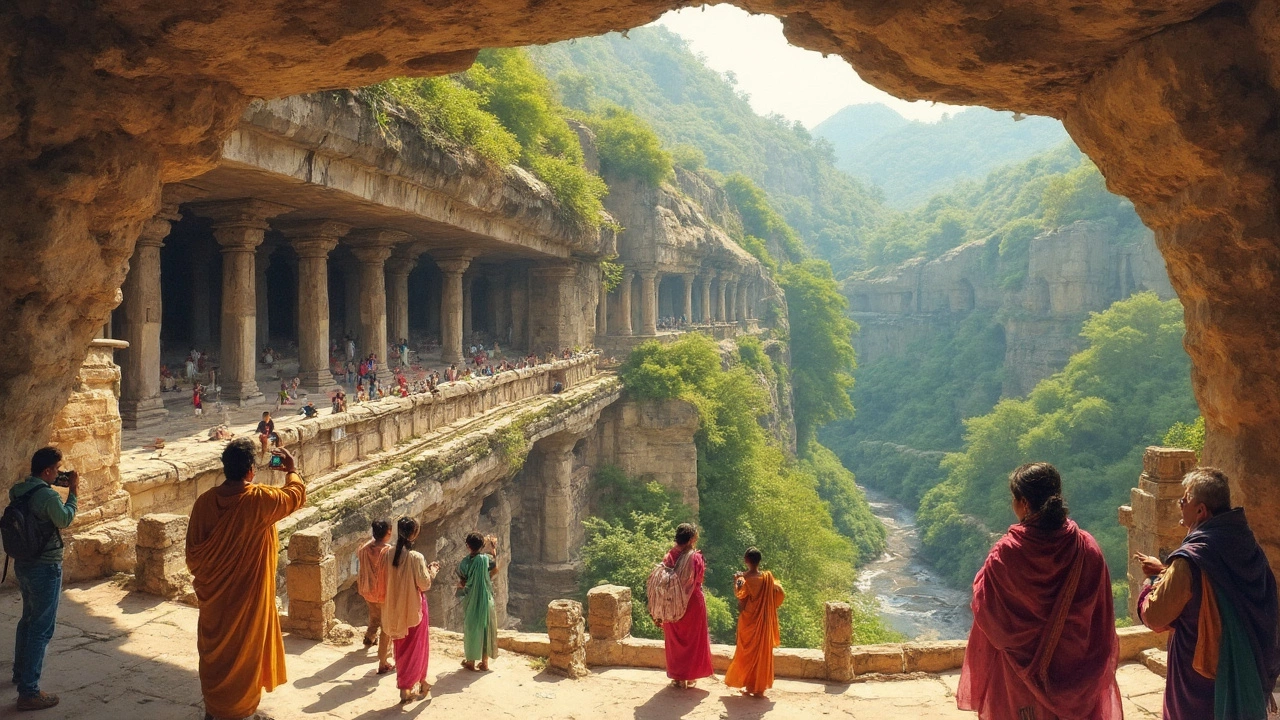
Curious about where India's oldest World Heritage Site is? This article pinpoints the very first UNESCO-recognized site, reveals what makes it so unique, and offers handy tips if you want to see it yourself. Expect fascinating details about its age, art, and how to experience it without the usual tourist hassle. Whether you're planning a trip or just love history, you'll get practical info here. Prepare for a peek into a piece of ancient India that still surprises experts today.