Kerala Safety: What You Need to Know Before You Go
When it comes to Kerala safety, the overall safety record for tourists in this southern Indian state is among the best in the country. Also known as God's Own Country, Kerala draws millions each year—not just for its backwaters and spice plantations, but because people feel secure walking its streets, riding its trains, and staying in its homestays. Unlike some other regions in India, Kerala has low rates of petty crime, strong community policing, and a culture that values hospitality. Locals often go out of their way to help visitors, whether it’s pointing to a bus stop or offering a glass of tender coconut water.
For solo female travelers, Kerala stands out as one of the most welcoming destinations in India. Many women report feeling safer here than in major cities like Delhi or Mumbai. Public transport is reliable, women-only bus sections are common, and even late-night auto-rickshaws are generally trustworthy if booked through apps or hotel recommendations. Resorts and homestays in places like Alappuzha and Munnar are used to hosting international guests and take privacy seriously. Still, it’s smart to dress modestly outside beach areas, avoid isolated paths after dark, and trust your gut—if something feels off, it probably is. Families also find Kerala easy to navigate. The food is mild and clean, hospitals in Kochi and Thiruvananthapuram are well-equipped, and emergency services respond quickly. Even in remote hill towns, you’ll often find English-speaking staff at guesthouses and small shops.
Wildlife areas like Periyar and Wayanad add another layer to Kerala safety. Animal encounters are rare, but guides are trained, fences are maintained, and safari vehicles follow strict rules. You won’t see monkeys stealing snacks from your hands here like you might in Ranthambore—Kerala’s sanctuaries prioritize both animal welfare and visitor safety. If you’re trekking or boating, always go with licensed operators. Don’t be lured by unofficial guides offering "discounted" tours—they’re not worth the risk.
What makes Kerala different isn’t just its low crime stats—it’s the attitude. People here respect boundaries. Tourists aren’t hassled for photos. Touts are rare. You won’t be pressured to buy souvenirs at temples. This isn’t luck. It’s policy. The state government runs regular awareness campaigns for tourism staff, and local communities take pride in keeping their home safe and clean. That doesn’t mean you can drop your guard. Always keep copies of your passport, use hotel safes, and avoid flashing expensive gear. But compared to other parts of India, Kerala gives you breathing room.
Whether you’re planning a quiet week in the hills, a houseboat cruise through the backwaters, or a cultural tour of temples and art forms like Kathakali, Kerala safety isn’t something you need to stress over. It’s one of the few places in India where you can truly relax and let the rhythm of the place take over. The posts below give you real stories, local tips, and firsthand experiences—from solo women who hiked the Western Ghats alone to families who traveled with toddlers and never felt unsafe. What you’ll find here isn’t theory. It’s what people actually did, saw, and felt.
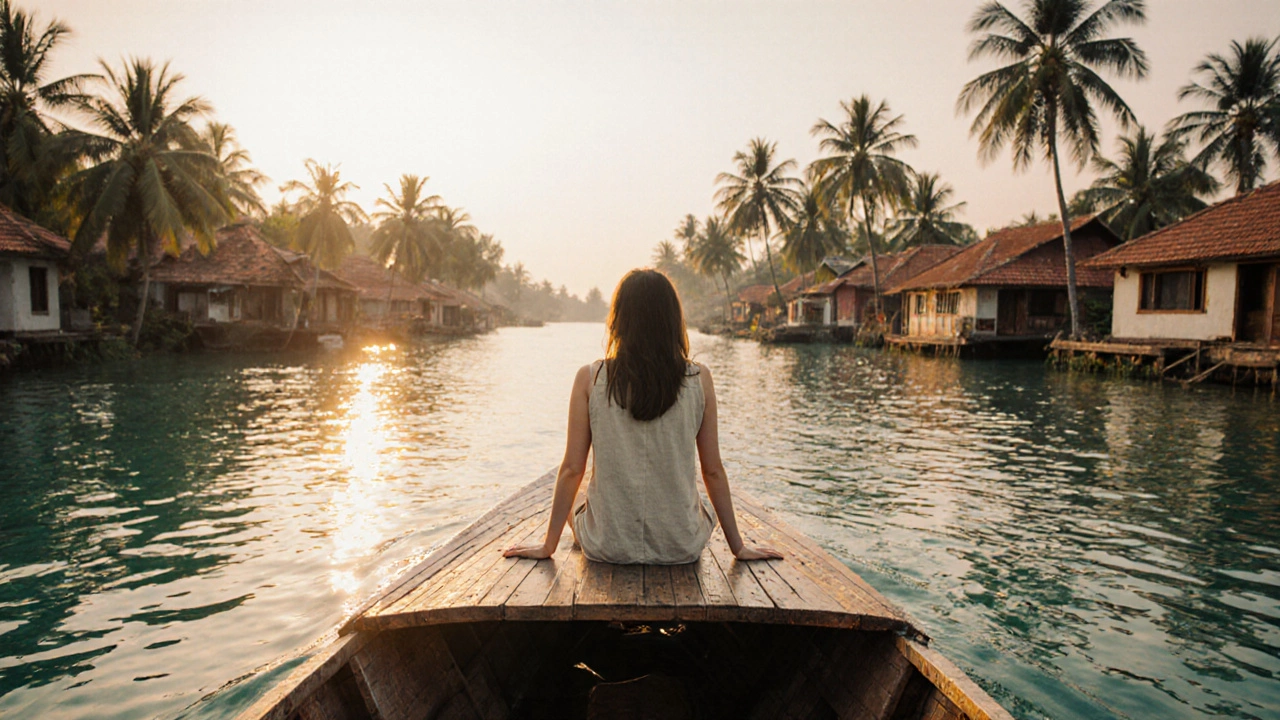
Is Kerala Safe to Visit Now? Your 2025 Guide to Traveling Without Worries
Kerala is safe to visit in 2025 with low crime, improved infrastructure, and tourist-friendly services. Learn what’s changed, where to watch out, and how to travel smart.