Indian traditions: Discover the rituals, festivals, and customs that define India
When you think of Indian traditions, the living customs, rituals, and cultural practices passed down through generations in India. Also known as Indian cultural heritage, it includes everything from morning prayers at home shrines to massive pilgrimages that move millions. These aren’t just old habits—they’re the rhythm of everyday life in India, tied to family, faith, and place.
Many of these traditions center around Hindu pilgrimage, sacred journeys to temples and rivers that hold deep spiritual meaning. Places like Rameshwaram, where the Jyotirlinga and Char Dham meet, or the Kumbh Mela, the world’s largest religious gathering, aren’t just tourist spots—they’re where millions reconnect with identity, history, and community. These aren’t performances for visitors; they’re deeply personal acts of devotion that have stayed unchanged for centuries, even as cities grow around them.
Then there are the Indian festivals, colorful, loud, and full of meaning—each tied to seasons, myths, or harvests. Diwali lights up homes from Kerala to Kashmir, not just as a celebration but as a reset for the year. Durga Puja turns streets into stages of art and devotion. Even khichdi, the humble dish eaten across India, becomes a tradition in itself—uniting people in a shared meal that needs no fancy ingredients, just shared understanding.
These traditions don’t live in museums. They’re carried by families, taught to children, and adapted by communities. Cultural tourism, travel that focuses on experiencing local customs and daily life isn’t about watching from afar—it’s about sitting with a family during a ritual, learning why they light a lamp at dawn, or why they avoid meat during certain days. It’s why ethnic tourism in India is growing: people don’t just want to see temples—they want to understand why they matter.
What you’ll find in these posts isn’t a list of what to do. It’s a look at what people actually live. Why a temple in Chidambaram has no idol. How a hill station in Maharashtra earned the name "Italy of India." Why Jersey City has its own Mini India. These stories connect the dots between ancient rituals and modern lives, between village customs and global communities. You’ll see how traditions survive—not because they’re preserved, but because they’re practiced.
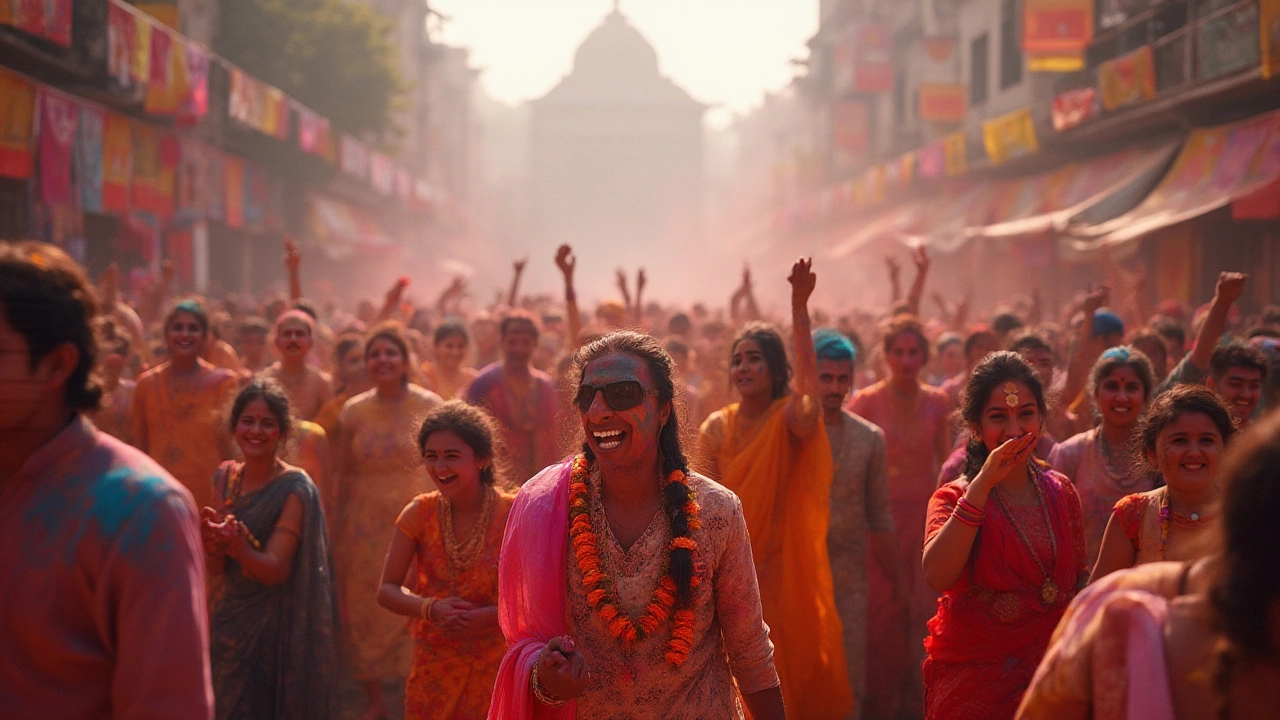
Why is India Famous for Its Culture? Traditions, Festivals, and Heritage Explained
Discover what makes Indian culture world-renowned—from colorful festivals and art forms to family traditions and spicy food, here’s why India stands out.