Indian Population Diversity: Cultures, Languages, and Traditions Across India
When you think of Indian population diversity, the vast mix of ethnic groups, languages, religions, and traditions that make up modern India. Also known as India's cultural mosaic, it’s not just a statistic—it’s the heartbeat of every street, temple, market, and home. This isn’t a single culture wearing different clothes. It’s dozens of worlds living side by side, each with its own rhythm, food, music, and way of seeing life.
Take Indian languages, the 22 officially recognized tongues and over 19,500 dialects spoken across the country. In the north, Hindi and Punjabi dominate daily conversation, while in the south, Tamil and Kannada carry centuries of poetry and philosophy. Up in the northeast, languages like Mizo and Nagamese are spoken by communities that have lived in the hills for generations—many with no written form until recently. You can’t understand India without hearing these voices. And it’s not just about words—it’s how people greet each other, how they cook, how they celebrate. A wedding in Kerala looks nothing like one in Rajasthan, and both are as real as each other.
Indian cultures, the deeply rooted customs, rituals, and social norms passed down through families and communities vary so much that a festival celebrated with fireworks in Delhi might be observed with silent prayers in a village in Odisha. Some communities still follow ancient tribal systems. Others blend colonial history with modern life in ways you won’t find anywhere else. This isn’t folklore—it’s living practice. From the nomadic Rabari herders of Gujarat to the matrilineal Khasi tribes of Meghalaya, India’s people define identity in ways that challenge simple labels.
And then there’s regional traditions in India, the local customs tied to geography, climate, and history that shape everything from clothing to cuisine. In the mountains, people eat buckwheat and drink butter tea. In the coastal towns, fish curry is served on banana leaves. In the deserts, men wear turbans that double as blankets at night. These aren’t tourist shows—they’re survival, identity, and belonging woven into everyday life. Even something as simple as how you eat your meal—right hand, left hand, or with a spoon—can tell you where someone is from.
This diversity isn’t just something you read about. It’s what makes traveling through India feel like visiting multiple countries in one trip. You don’t need to go far to find it. A train ride from Mumbai to Kolkata passes through languages, foods, and rhythms that change with every state. And that’s why so many posts here focus on real experiences—the temple rituals in Rameshwaram, the tribal festivals in Odisha, the quiet villages of Panchgani, the bustling markets of Punjab. Each one is a thread in a much bigger tapestry.
What you’ll find below isn’t just a list of articles. It’s a map to the real India—the one you don’t see on postcards. Whether you’re planning a trip or just curious, these stories show you how population diversity isn’t background noise. It’s the main event.
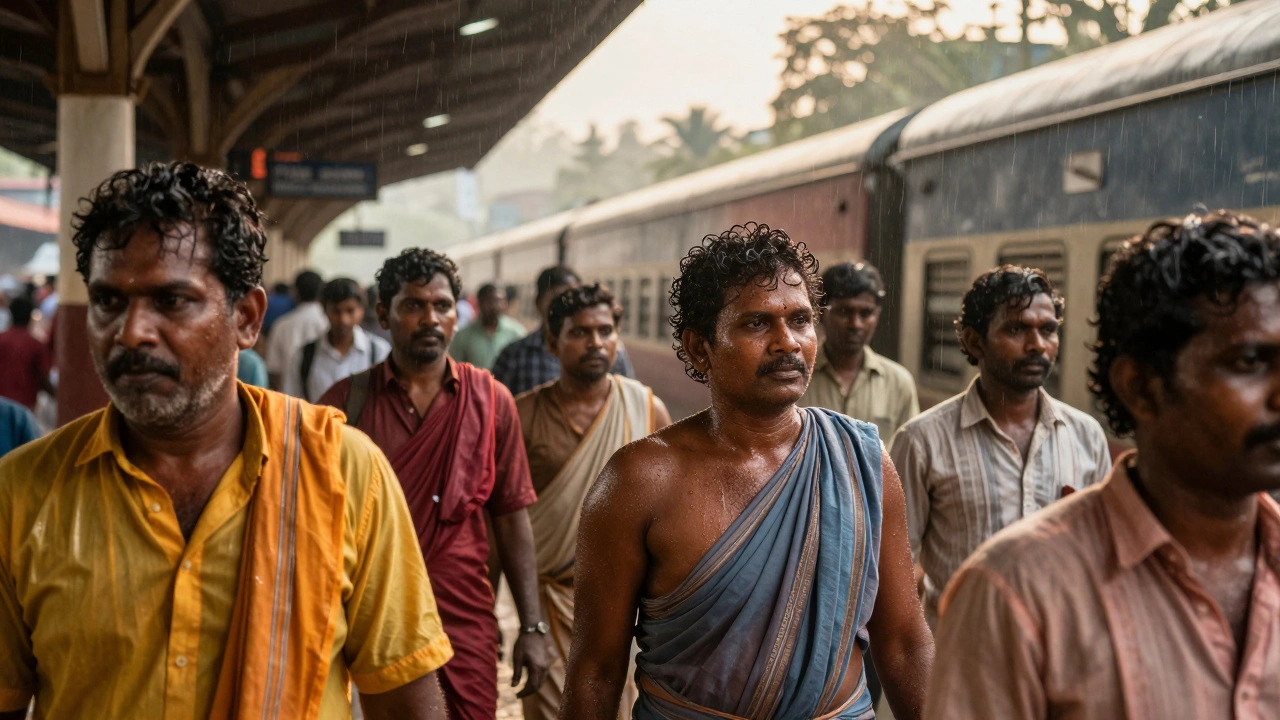
How racially diverse is India? A traveler’s guide to the country’s true ethnic mosaic
India's racial and ethnic diversity is far greater than most travelers realize. From Dravidian tribes in the south to Mongoloid communities in the northeast, the country is a mosaic of hundreds of distinct cultures-each with its own language, history, and identity.