India health tips: Stay safe, stay well on your trip
When you're traveling in India, a country with diverse climates, cultures, and food traditions. Also known as the Indian subcontinent, it offers unforgettable experiences—but your health depends on simple, smart choices. You don’t need to avoid street food or hide in your hotel. You just need to know what to watch for.
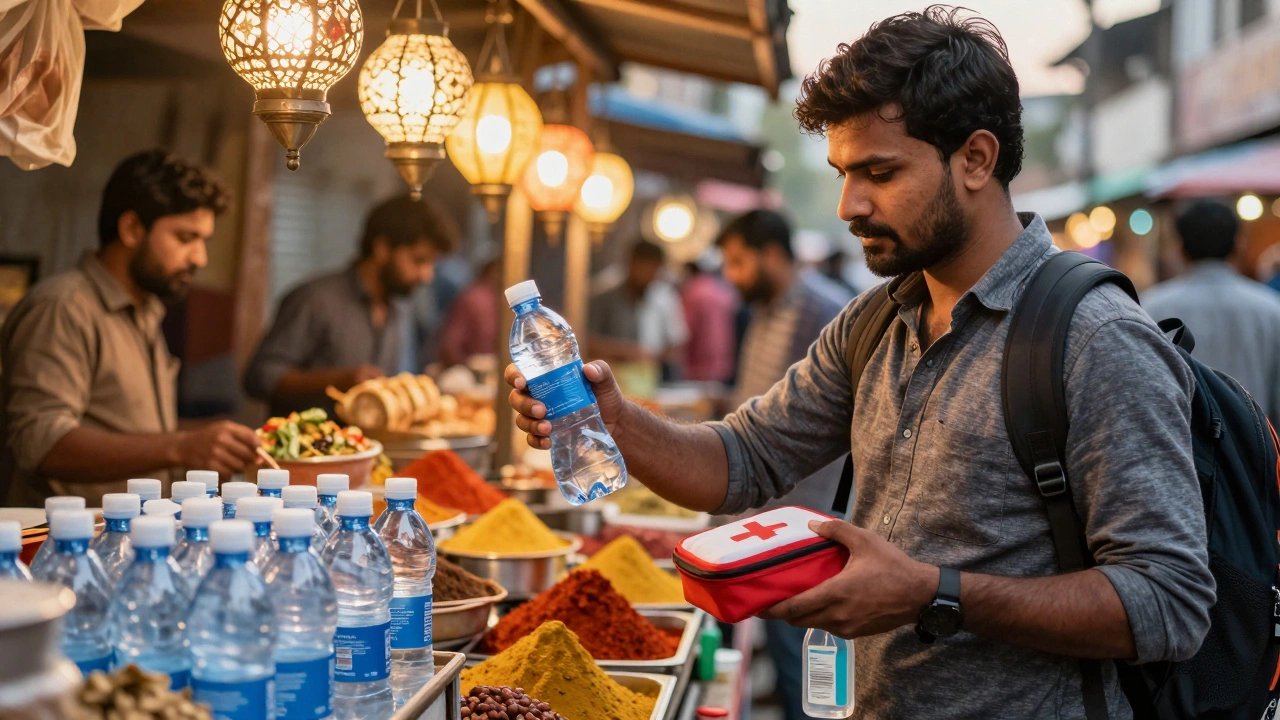
Food safety, how you handle what you eat and drink, is the biggest factor in staying healthy. Most travelers get sick from contaminated water or poorly handled food, not from exotic spices. Stick to bottled or boiled water—even for brushing your teeth. Avoid ice unless you’re sure it’s made from purified water. Street food? Go for busy stalls. If locals are lining up, the food turns fast and stays hot—that’s your best defense. Look for vendors who cook to order and use clean utensils. Don’t be shy about asking for food to be reheated if it’s been sitting out.
Water safety, the simple act of knowing what’s safe to drink, is just as important. Tap water in cities like Delhi or Mumbai isn’t safe for foreigners. Even locals often boil it. Carry a reusable bottle with a built-in filter, or buy sealed mineral water from big brands. Avoid fresh fruit juices unless they’re made right in front of you with clean water. Coconut water? Usually fine—it comes straight from the nut. But skip anything pre-cut or stored in open containers.
Don’t forget vaccinations, the shots that prevent serious illnesses before you go. Hepatitis A and typhoid are common in India and preventable. Make sure your routine shots—like tetanus and MMR—are up to date. Talk to your doctor at least four weeks before you leave. You don’t need a full medical exam, but a quick check-up can save you from weeks of illness.
Weather and altitude matter too. In places like Ladakh or the Himalayas, altitude sickness hits fast. Take it slow. Drink extra water. Avoid alcohol. In the south, humidity can drain you. Wear light clothes, use sunscreen, and carry electrolyte packets. Dehydration sneaks up on you, especially if you’re walking all day or riding in a hot vehicle.
Medications are your backup plan. Pack a small kit: oral rehydration salts, anti-diarrheal pills, pain relievers, antihistamines, and hand sanitizer. Don’t rely on local pharmacies unless you’re sure of the brand. Many Indian medicines are great, but some are counterfeit. Stick to what you know.
And yes, your gut will adjust. Most travelers get a mild stomach upset in the first few days. It’s not always food poisoning—it’s just your body learning new bacteria. Rest, hydrate, and give it a day or two. If you’re vomiting, running a fever, or feeling weak for more than 48 hours, see a doctor. Good clinics are easy to find in tourist areas.
India’s health risks aren’t mysterious. They’re predictable. And with a few basic habits, you’ll avoid the big problems and enjoy the real stuff—the spicy chai, the bustling markets, the quiet temples, the warm smiles. You don’t need to be perfect. Just be aware.
Below, you’ll find real stories and advice from travelers who’ve been there—what worked, what didn’t, and what you can skip without missing out.
What Injections Do I Need for India? Essential Vaccines for Budget Travelers
Essential vaccines for budget travelers to India, including typhoid, hepatitis A, polio, Tdap, and hepatitis B. Learn what you really need, when to get them, and how much they cost in Australia.