Hippie Trail: The Legendary Route That Shaped Counterculture Travel in India
When people talk about the Hippie Trail, a transcontinental overland route that connected Europe to South Asia in the 1960s and 70s, drawing young travelers seeking freedom, spirituality, and alternative lifestyles. Also known as the Afghanistan route, it wasn’t just a journey—it was a cultural reset for a generation. Thousands of young people, mostly from the U.S. and Western Europe, packed their bags, bought bus tickets, and headed east—not to see monuments, but to find themselves. They passed through Turkey, Iran, Afghanistan, and into India, where the trail split into paths leading to Varanasi, Rishikesh, Goa, and Kathmandu. This wasn’t tourism. It was migration.
The Hippie Trail, a phenomenon that turned remote villages into hubs of music, meditation, and marijuana. Also known as the counterculture corridor, it introduced Western travelers to Indian philosophy, yoga, ayurveda, and the quiet chaos of ashrams. In Rishikesh, Beatles sat at Maharishi Mahesh Yogi’s ashram. In Goa, beaches turned into open-air communes. In Delhi, the Dilli Haat was still years away, but the first Indian crafts stalls for foreigners were already popping up near the Red Fort. These weren’t tourist traps—they were real encounters with a culture that welcomed outsiders with open arms, even when governments didn’t understand why. The trail didn’t just change how people traveled—it changed what travel meant. It turned backpacking into a lifestyle, not a vacation. It made spirituality portable and turned meditation into something you could do on a bus to Kathmandu.
Today, the original Hippie Trail is gone—war in Afghanistan closed the land route in the late 70s. But its spirit lives on in every solo traveler heading to Dharamshala, every foreigner learning Sanskrit in Rishikesh, every hostel in Goa that still plays Bob Marley at sunset. The ethnic tourism, a form of travel focused on authentic cultural exchange with local communities, often rooted in the same ideals that drove the Hippie Trail. Also known as community-based tourism, it’s the quiet heir to that movement. You can still find echoes of the trail in the way travelers now seek out off-grid villages, volunteer in wildlife sanctuaries, or take slow trains across India just to feel the rhythm of the land. The trail didn’t die. It evolved.
What you’ll find in these posts isn’t just history. It’s the legacy. From the spiritual pull of Rameshwaram to the quiet charm of Panchgani, from the health benefits of trekking to the cultural heartbeat of Diwali—each story connects back to that same question: How do you travel not just to see a place, but to become part of it? The Hippie Trail started that conversation. These posts keep it alive.
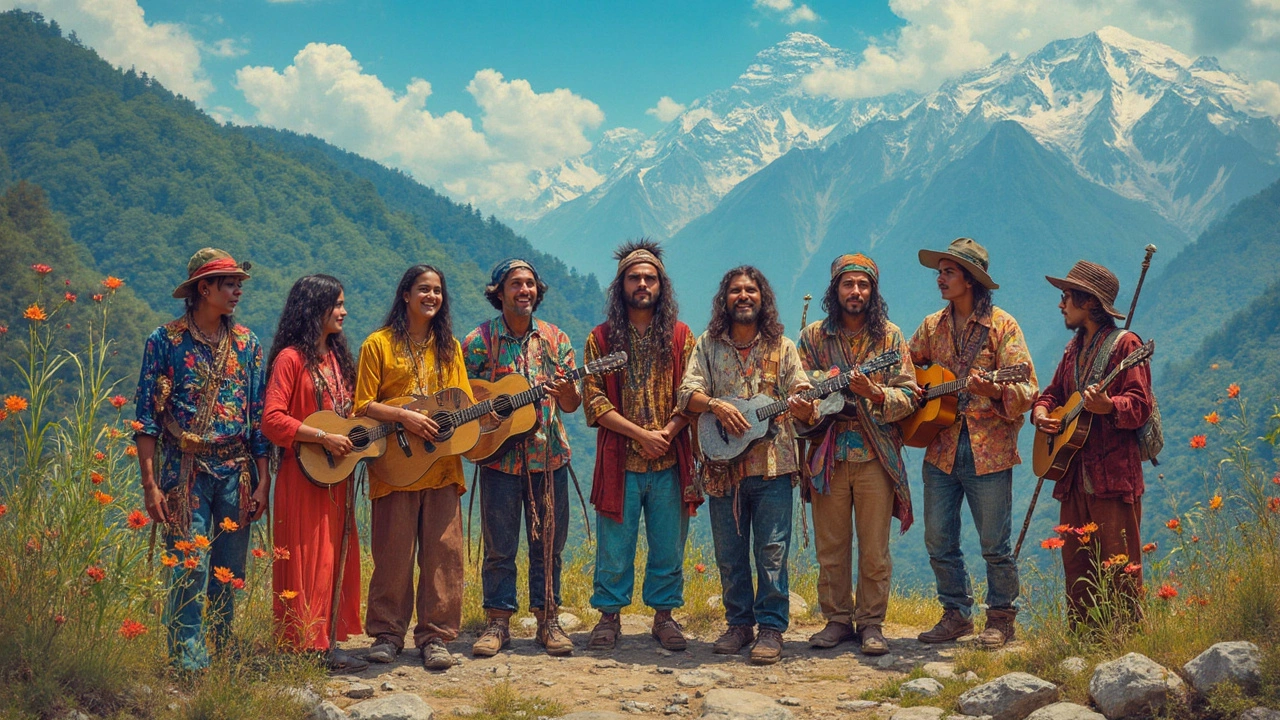
Exploring India's Legendary Hippie Trail
The Hippie Trail in India, once a path for free spirits in the '60s and '70s, is now a treasure trove for trekkers and curious souls. This intriguing journey offers a blend of historical significance and natural beauty. Discover the notable spots along the way and tips to enrich your experience as you delve into India's diverse landscapes and cultures. Travel back in time and explore the transformative paths trodden by generations before.