Foreigners in India: What You Need to Know Before You Go
When foreigners, travelers from outside India visiting for tourism, work, or pilgrimage. Also known as international tourists, they come to India, they’re not just seeing temples and tuk-tuks—they’re stepping into a country that moves at its own rhythm. India doesn’t always follow the rules foreigners expect. Crowds don’t queue. Taxis don’t use meters. Strangers offer help without being asked. And that’s just the start. For many, the first shock isn’t the heat or the food—it’s how different everything feels from home.
That’s why knowing what to expect matters more than any checklist. India safety for foreigners, the real, day-to-day risks and how to avoid them, not just headlines isn’t about crime stats—it’s about understanding where scams hide. A friendly man offering to show you the "real" Taj Mahal? He’s not a guide—he’s a commission hunter. A tuk-tuk driver who suddenly says the price doubled? That’s normal here. The trick isn’t to avoid all of it—it’s to know how to say no, walk away, or laugh it off. And yes, most people are kind. But kindness doesn’t mean you’re immune to being taken advantage of.
cultural etiquette India, the small, unspoken rules that prevent awkwardness and build trust is where most foreigners stumble. Cover your shoulders in temples. Don’t touch food with your left hand. Remove shoes before entering homes. These aren’t suggestions—they’re basic respect. And if you’re visiting during Diwali or Kumbh Mela? You’re not just a spectator—you’re part of a living tradition. Locals notice when you try. A simple "dhanyavaad" (thank you) goes further than a hundred dollars in tips.
And yes, India travel for tourists, the practical side of planning a trip that actually works has changed. In 2025, you won’t need to carry cash everywhere. UPI works in villages now. You can book a safari online without a middleman. Wi-Fi is everywhere—even in remote wildlife lodges. But the old rules still hold: don’t trust every five-star rating, always check reviews from other foreigners, and never assume your hotel’s "local guide" is certified. The best experiences come from asking the right questions, not just booking the cheapest package.
Foreigners who love India don’t just visit—they adapt. They learn to haggle without being rude. They accept that trains run late, but the view out the window makes up for it. They eat street food even when their stomachs protest, because that’s how you taste real India. And they come back—not because it’s easy, but because it’s unforgettable.
Below, you’ll find real stories from travelers who’ve walked these streets, ridden these buses, and slept in these guesthouses. No fluff. No marketing. Just what actually works when you’re standing in a Delhi market at 7 a.m., wondering if that samosa is safe—and whether you should even ask.
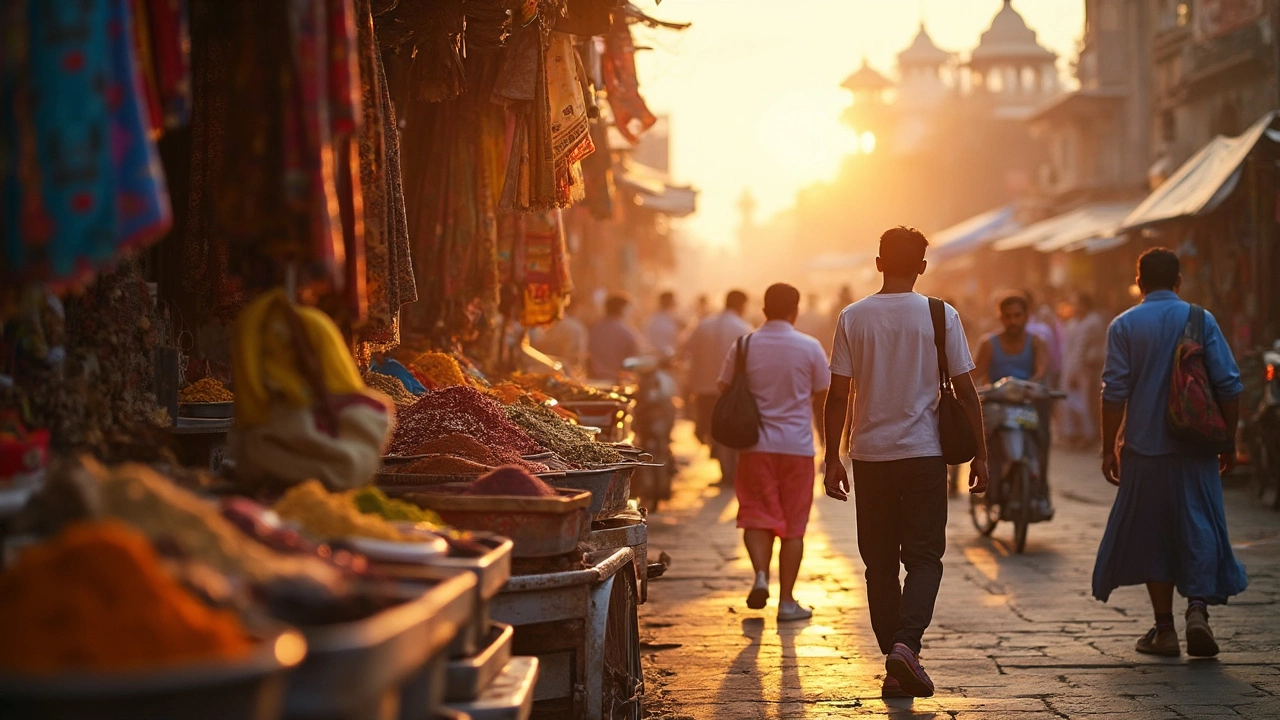
Best City for Foreigners in North India: Where Should You Go?
Trying to pick the best city for foreigners in North India isn’t as simple as it seems—each place has its own style, vibe, and mix of comforts. This article lays out what makes certain North Indian cities stand out for tourists and expats from abroad. You'll find concrete tips, real-life local perks, and some minor headaches to expect. The goal is to help you weigh your options based on safety, culture, fun things to do, and ease of daily life. If you want a no-nonsense guide, you’re in the right place.