Beginner Hiking in India: Easy Trails, Essential Tips, and Safe Starts
When you start beginner hiking, a simple, low-intensity walk on marked trails designed for people new to outdoor walking. Also known as easy trekking, it’s not about climbing peaks—it’s about getting outside, moving your body, and feeling the rhythm of nature without exhaustion. You don’t need fancy gear, extreme fitness, or a training plan. Just good shoes, a water bottle, and the willingness to take one step after another.
Hiking in India, walking on natural paths through forests, hills, and mountains across the country. Also known as trekking, it’s more than just exercise—it’s a way to connect with quiet places that most tourists never see. From the misty hills of Maharashtra to the gentle slopes of Uttarakhand, India has dozens of trails made for people who’ve never worn a backpack before. And yes, hiking health benefits, the real physical and mental gains from regular walking in nature. Also known as nature therapy, it’s backed by science: lower stress, better sleep, stronger heart, and a mind that feels lighter after just a few hours on a trail.
You won’t find beginner hiking on Everest Base Camp. That’s for experienced trekkers. But you will find it on trails like Kodaikanal’s Coaker’s Walk, where you stroll through pine forests with views of valleys below. Or the easy loop around Bhandardara Lake in Maharashtra, where you can stop for chai and still be back before sunset. Even the paths near Rishikesh’s riverside temples are gentle enough for your first time out. No ropes. No crampons. No altitude sickness. Just clean air, birdsong, and the quiet joy of walking without a destination.
What you need? A pair of shoes with grip—not sneakers. A small bag with water, a snack, and a light jacket. A phone with offline maps (download them before you go). And maybe a friend who’s been before. Most trails in India are well-marked and safe for solo walkers during daylight. You don’t need a guide unless you’re heading into remote areas. The real challenge isn’t the trail—it’s convincing yourself to leave the couch.
Some people think hiking means pushing limits. But for beginners, it’s about listening to your body. If your legs ache, rest. If the sun feels too strong, find shade. If you’re having fun, keep going. There’s no medal for finishing fast. The goal is to come back smiling, not broken. And if you do? You’ll likely want to do it again next week.
Below, you’ll find real stories from people who started exactly where you are—no experience, no gear, just curiosity. They walked trails that didn’t break them. They found peace in places they never knew existed. And now, they’re sharing what they learned so you don’t have to figure it out alone.
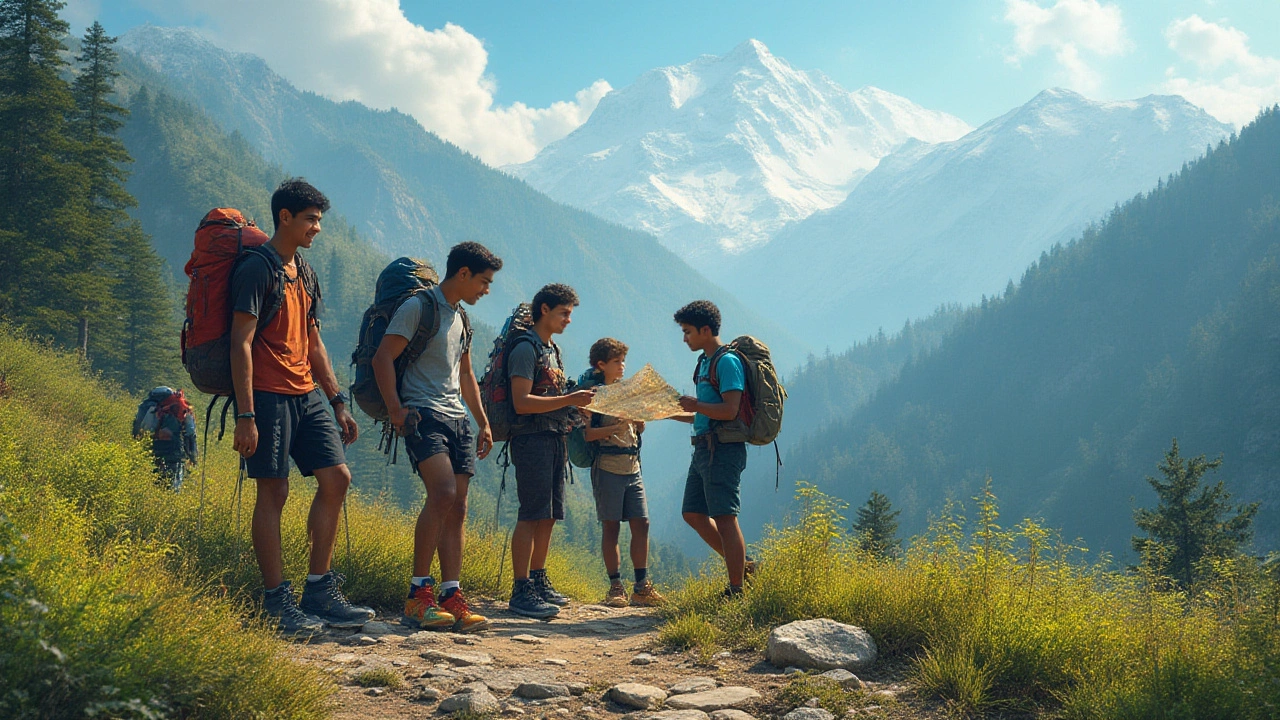
Trekking vs. Hiking: Key Differences, Tips & Must-Know Facts
Confused about trekking vs. hiking? This guide breaks down the differences, offers tips, and dives into what you really need to know before your next adventure.