Vaccines for India Travel: What You Need Before You Go
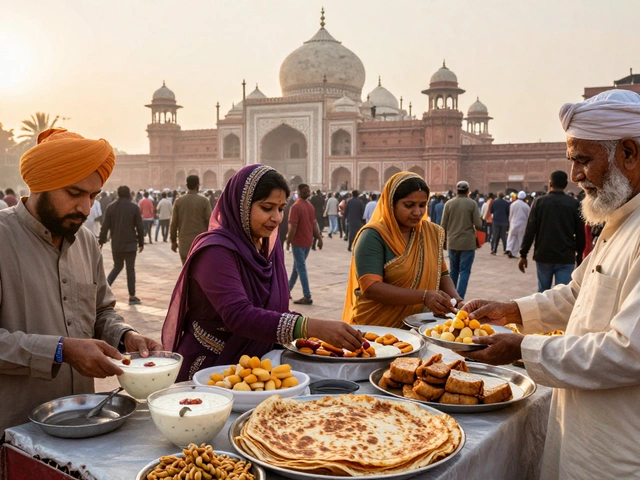
When planning a trip to India, vaccines for India travel, essential medical protections that reduce risk of illness during your journey. Also known as travel immunizations, they’re not optional if you want to avoid ending up sick on a train in Rajasthan or eating street food in Delhi. India has a mix of urban centers and rural areas where diseases like typhoid, hepatitis A, and Japanese encephalitis still circulate—especially in monsoon season. You won’t catch these from tourists or hotels. You catch them from water, food, mosquitoes, or even a handshake with someone who doesn’t know they’re carrying it.
Most travelers need hepatitis A, a virus spread through contaminated food and water, common in places with poor sanitation. It’s not deadly, but it can knock you out for weeks with fever, vomiting, and fatigue. Then there’s typhoid, a bacterial infection from dirty food or water, often missed until it’s too late. The vaccine isn’t 100% perfect, but it cuts your risk by 70%—and that’s the difference between a smooth trip and a hospital visit in a small town with no English-speaking doctors. If you’re staying longer than a month, visiting rural areas, or eating off the street, you’ll also want Japanese encephalitis, a mosquito-borne virus that causes brain inflammation and is deadly in 30% of cases. It’s rare, but it’s in the rice fields and villages where most travelers don’t expect to go.
Some people skip the rabies shot because they think they won’t get bitten. But India has more stray dogs than any country on Earth. A single lick on a cut can be enough. The vaccine gives you time to get help instead of rushing to a clinic after a bite. And yes, you still need the tetanus shot—even if you got it as a kid. India’s roads, construction sites, and dusty trails are full of rusted metal and broken glass. One fall, one cut, and you’re in trouble.
What you don’t need? Yellow fever. India doesn’t require it unless you’re coming from a country with the disease. Malaria pills? They’re not vaccines, but they’re often paired with them. If you’re heading to the northeast or rural Kerala, talk to a travel clinic about antimalarials. The same goes for altitude sickness if you’re trekking in the Himalayas.
There’s no one-size-fits-all list. Your needs change if you’re backpacking through Himachal or staying in a five-star resort in Goa. But if you’re reading this, you’re already thinking ahead—and that’s half the battle. The posts below give you real stories from travelers who got sick, saved money by skipping shots, or avoided disaster because they got the right ones. No fluff. Just what worked, what didn’t, and what you should do next.
Do Americans Need Vaccines to Travel to India?
Planning a trip to India from the U.S.? It’s crucial to know which vaccines are recommended to keep you safe. While not mandatory, vaccinations for hepatitis A, typhoid, and other diseases are highly advised. Understanding health requirements will not only enhance your travel plans but also help you stick to a budget by preventing health issues abroad. Get well-prepared for your journey with these vaccination guidelines.