South India vs North India: Key Differences in Culture, Food, and Travel
When people talk about South India vs North India, two vast, distinct regions that shape how millions experience India. Also known as Peninsular India and the Hindi Belt, they’re not just directions on a map—they’re different worlds with their own rhythms, tastes, and traditions. You won’t find the same spices in a Chennai curry that you’ll get in a Delhi kadhai. You won’t hear the same language spoken in a temple in Varanasi as you do in a shrine in Madurai. And you definitely won’t walk the same kind of streets in Jaipur as you do in Kochi.
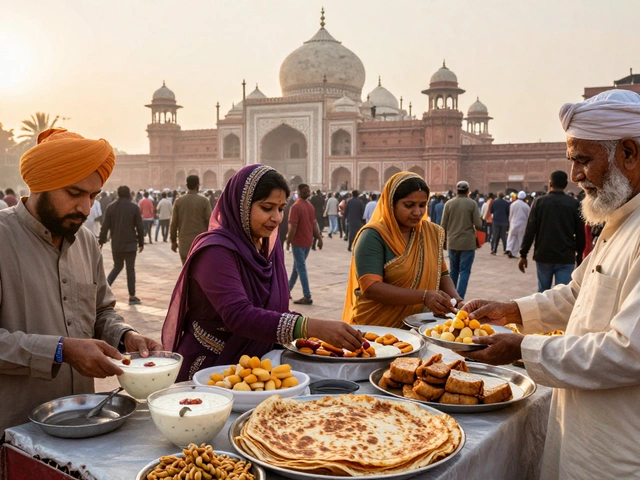
The North India, a region shaped by Mughal history, plains, and colder winters. Also known as the Indo-Gangetic Plain, it’s where the Taj Mahal stands, where wheat rules the roti, and where festivals like Diwali and Holi explode with color and fire. The language here leans toward Hindi and its dialects, the architecture leans toward grand domes and red sandstone, and the food? Rich, creamy, and heavy on dairy—think butter chicken, paneer, and lassi. If you’re looking for bustling bazaars, royal forts, and snow-capped Himalayan views, this is your zone. Meanwhile, South India, a land of monsoon-fed rivers, ancient Dravidian temples, and coastal life. Also known as the Deccan Peninsula, it’s where rice is king, coconut oil sizzles in every kitchen, and temple gopurams tower over narrow streets. Tamil, Telugu, Kannada, and Malayalam aren’t dialects here—they’re the heartbeat of daily life. You’ll find fewer Mughal forts, but more stone-carved shrines, backwater houseboats, and hill stations like Ooty and Munnar that feel worlds away from the North’s heat. The climate? Warmer, wetter, and more consistent year-round. The pace? Slower. The food? Lighter, tangier, and often spicy in a different way—think tamarind, curry leaves, and fermented dosas.
It’s not just about geography. It’s about how people live. In North India, you’ll find more crowded trains, louder markets, and a faster rhythm to city life. In South India, you’ll find more quiet temples, longer meals, and a stronger sense of local identity tied to language and tradition. One isn’t better than the other—just different. And that’s why knowing the difference matters when you’re planning your trip. Whether you’re chasing temple tours, trying to find the best street food, or just deciding where to sleep under the stars, picking the right region changes everything.
Below, you’ll find real travel stories, cost breakdowns, safety tips, and cultural deep dives that help you understand what each side of India truly offers. From whether Agra belongs in the North (it does) to why Kerala feels like another country, these posts cut through the noise and give you the facts you need to choose your next destination.

North India vs South India: Which Is More Beautiful?
Planning a trip and can’t decide between North and South India? This guide lays out the dramatic contrasts—from snowy Himalayan peaks to golden beaches, palaces to lush jungles. Discover highlights, travel tips, and what each region does best, without the usual clichés. It’s not about ‘better’, but understanding what kind of beauty suits your style. Get honest advice for travelers who want more than just Instagram shots.