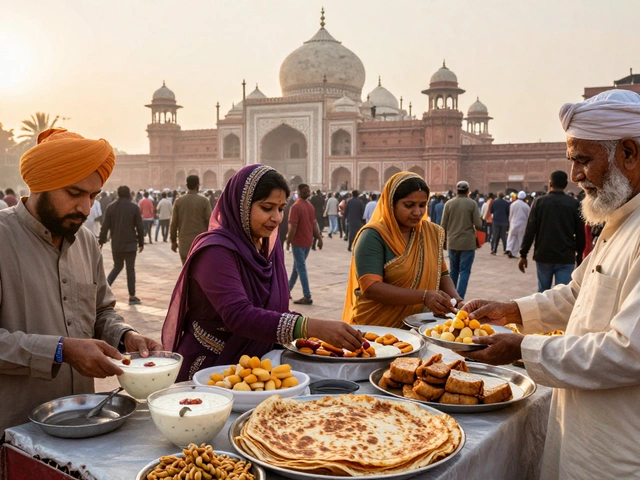
Salad Safety India: What You Need to Know Before Eating Fresh in India
When you're traveling in India, eating a crisp, fresh salad, a simple mix of raw vegetables often served as a side or starter. Also known as raw vegetable platter, it's one of the first things tourists worry about—especially after hearing stories of "Delhi Belly." But is salad actually dangerous in India? The truth isn't black and white. It depends on where you are, who prepares it, and how the ingredients are handled.
Food safety in India, the practices and standards used to ensure food doesn't cause illness. Also known as hygiene in food service, it varies widely across the country. In high-end hotels and restaurants in cities like Delhi, Mumbai, or Bangalore, many kitchens follow strict protocols: vegetables are soaked in vinegar or iodine solutions, washed in filtered water, and handled with gloves. Tourists eat salads there every day without issue. But in smaller towns, street-side eateries, or budget guesthouses, the rules aren't always followed. Water used to wash produce might be tap water—contaminated with bacteria or parasites. That’s where the risk comes from.
Street food safety, the level of cleanliness and handling in informal food vendors. Also known as open-air food hygiene, it’s a bigger concern than most travelers realize. A vendor might serve you a perfect salad, but if they rinse the lettuce in the same bucket they used to wash dishes—or worse, use unboiled water—the risk jumps. Locals know this. Many avoid raw salads unless they’re eating at a place they trust. Some even peel their own fruits or ask for salads with just boiled potatoes and boiled eggs—safe options that still feel fresh.
It’s not about avoiding salad entirely. It’s about being smart. Stick to places that look clean, busy, and well-run. Look for restaurants where you can see the kitchen. Ask if the vegetables are washed in purified water. If you're unsure, skip the raw greens and go for cooked veggies, soups, or dal. Your stomach will thank you. In places like Kerala, Goa, or Himachal Pradesh, where tourism is well-established, salad safety is taken seriously. But in rural areas or during monsoon season, even locals avoid raw salads.
Fresh produce in India, the wide variety of fruits and vegetables grown and sold across the country. Also known as local market produce, it’s some of the most colorful and flavorful you’ll find anywhere. But freshness doesn’t mean safety. A bright tomato or crunchy cucumber might look perfect, but if it was washed in contaminated water or handled with dirty hands, it’s still risky. The same goes for herbs like coriander or mint—common in chutneys and salads. Always ask how they’re cleaned.
Travelers who get sick in India rarely blame the spice. It’s usually the water, the ice, or the raw veggies. But you don’t have to give up fresh food. You just need to know where to look. The best advice? Follow what Indian families do: eat where locals eat, avoid anything that’s been sitting out too long, and when in doubt, cook it, peel it, or leave it.
Below, you’ll find real stories, trusted tips, and local insights from travelers who’ve learned the hard way—and those who’ve mastered salad safety in India without missing out on flavor. Whether you’re heading to Rajasthan, Tamil Nadu, or the hills of Uttarakhand, this collection gives you the tools to eat fresh without risking your trip.
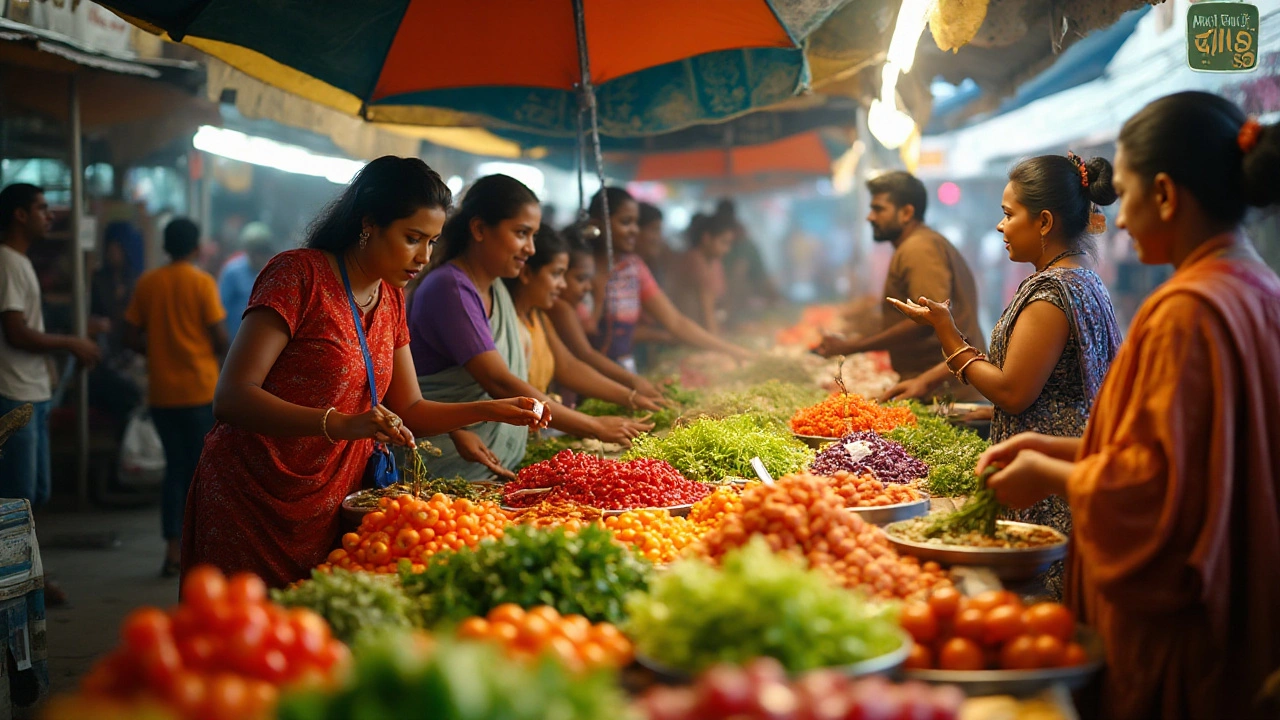
Is Eating Salad Safe During Your South India Adventure?
Exploring the vibrant flavors of South India often raises questions about the safety of eating raw foods like salads. While traveling, it's important to be aware of the local food preparation practices and potential health risks. This article offers insights into the safety of consuming salads during your travels in South India. It also provides helpful tips to enjoy these refreshing dishes while ensuring your well-being.