Physical Health and Trekking: Why Walking the Trails Keeps You Strong
When you think of physical health, the state of your body’s ability to function well through movement, nutrition, and rest, you probably think of gyms, treadmills, or protein shakes. But the most powerful tool for improving your physical health might be something simpler: trekking, a long, vigorous walk, especially through rugged natural terrain like mountains or forests. It doesn’t require equipment beyond good shoes. No membership fees. Just you, the trail, and your body moving through real space. And it works—better than most machines ever could.
Trekking isn’t just about getting your heart rate up. It’s a full-system upgrade. Your legs get stronger from climbing uneven ground. Your core tightens as you balance over rocks and roots. Your lungs expand with cleaner air, far from city smoke. Your bones grow denser from the impact of walking, not just from lifting weights. Studies show people who regularly trek have lower blood pressure, better blood sugar control, and reduced risk of heart disease. In India, where treks range from the gentle hills of Panchgani to the steep climbs of Everest Base Camp, you’re not just exploring—you’re healing. And it’s not just about endurance. Trekking reduces stress hormones, which means less inflammation, better sleep, and a stronger immune system. That’s not magic. That’s physics and biology working together.
What makes trekking different from a jog or a spin class? It’s context. You’re not staring at a screen. You’re not counting reps. You’re watching clouds roll over the Himalayas, hearing birds you can’t name, smelling wet earth after rain. Your brain shifts into a calmer mode. That calm? It helps your body recover faster. Your muscles repair better. Your digestion improves. Even your posture gets better because you’re walking with purpose, not slouching. And in places like Kerala or Punjab, where trails lead to ancient temples or quiet villages, you’re not just exercising—you’re connecting. To nature. To culture. To yourself.
You don’t need to summit a peak to benefit. A two-hour walk through a wildlife sanctuary, like those in Maharashtra or Uttarakhand, counts. The uneven ground, the slight climbs, the fresh air—they all add up. And when you combine that with the cultural richness of India’s trails—whether it’s walking to Rameshwaram’s sacred temple or hiking near Chidambaram’s unique shrine—you’re doing more than staying fit. You’re building resilience, mentally and physically.
Below, you’ll find real stories and practical guides from people who’ve turned trekking into part of their daily health routine. Some are about surviving high-altitude trails. Others are about finding peace on quiet forest paths. All of them prove one thing: if you want to feel stronger, clearer, and more alive, start walking. The trail is waiting.
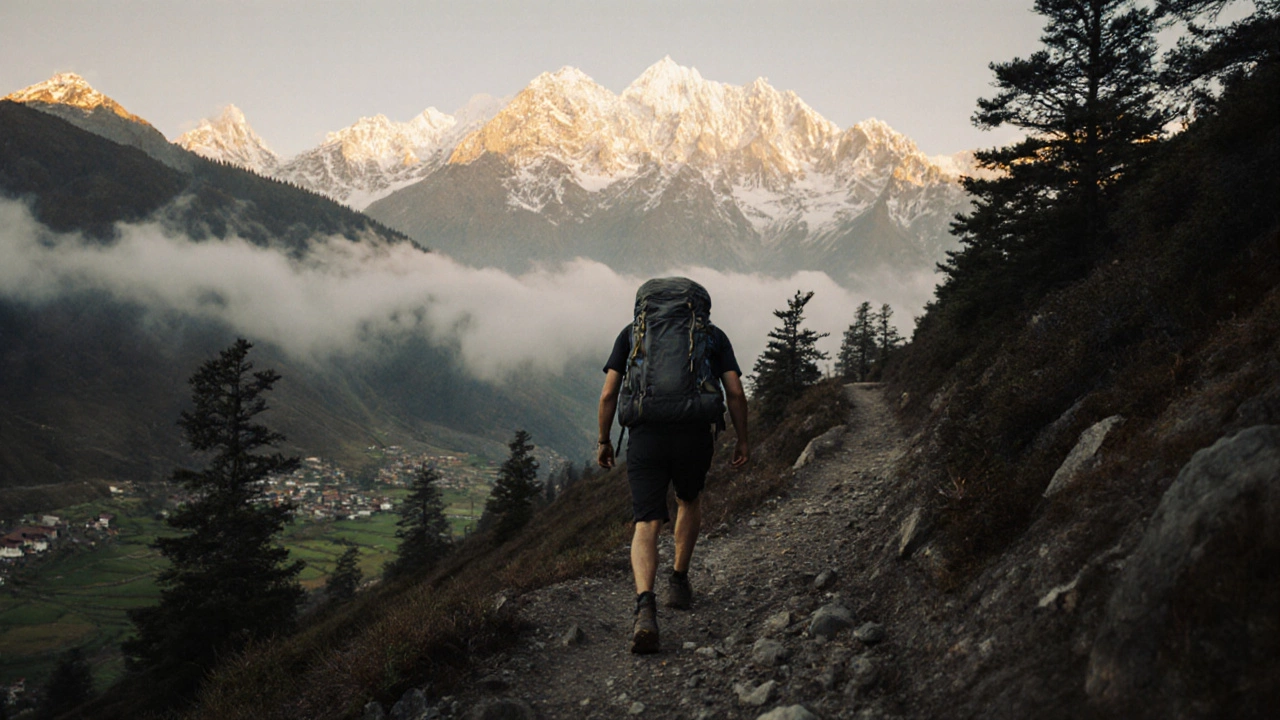
Is Trekking Good for Health? The Real Benefits of Hiking in India’s Mountains
Trekking in India isn't just a hobby-it's a powerful way to improve heart health, reduce stress, lose weight, and boost immunity. Discover the science-backed benefits of hiking on India's trails.