North India Weather: What to Expect and How to Plan Your Trip
When you think of North India weather, the seasonal extremes that shape travel, pilgrimage, and wildlife experiences across states like Uttar Pradesh, Rajasthan, Punjab, and Himachal Pradesh. Also known as Northern Indian climate, it’s not just about hot summers and cold winters—it’s about timing your visit so you don’t end up stuck in dust storms, snowed in at a temple, or sweating through a tiger safari. This region doesn’t play nice with guesswork. One month, you’re bundling up in Agra for the Taj Mahal at dawn; the next, you’re dodging monsoon rain in Rishikesh while trying to keep your camera dry.
The North India seasons, a cycle of three clear phases: scorching heat, heavy rain, and crisp coolness, dictate everything. From March to June, temperatures in places like Jaipur and Delhi regularly hit 40°C+—perfect for desert safaris in Rajasthan if you’re tough, but brutal for temple walks or long drives. Then comes the monsoon, the rainy season that brings life to the land but shuts down many hill roads and flood-prone areas. July to September sees heavy downpours, especially in the foothills near Haridwar and Shimla. If you’re chasing wildlife, this is when sanctuaries like Jim Corbett close. But if you’re after lush greenery and fewer crowds, it’s the quietest time.
October to February is when North India weather, shifts into its most traveler-friendly mode. Days are bright, skies are clear, and nights get chilly—especially in places like Manali or Leh. This is prime time for the Kumbh Mela, Himalayan treks, and early morning visits to the Taj Mahal. You’ll want layers: light cotton for day, a jacket for evening. If you’re visiting in December or January, pack thermal wear. Snow in Spiti or Nainital isn’t rare, and cold snaps can drop temperatures below freezing.
What makes North India weather tricky isn’t just the heat or the rain—it’s how it connects to what you want to do. Want to spot tigers? Avoid June. Planning a pilgrimage to Rameshwaram? That’s the south—North India’s weather won’t help you there. But if you’re headed to Amritsar, Varanasi, or the forts of Jodhpur, timing your trip around the weather isn’t optional—it’s the difference between a great trip and a miserable one. The posts below give you real, ground-level advice: when to book that hill station stay, how to handle sudden rain on a road trip, and why some of the best wildlife sightings happen right after the monsoon breaks. You won’t find fluff here. Just what works.
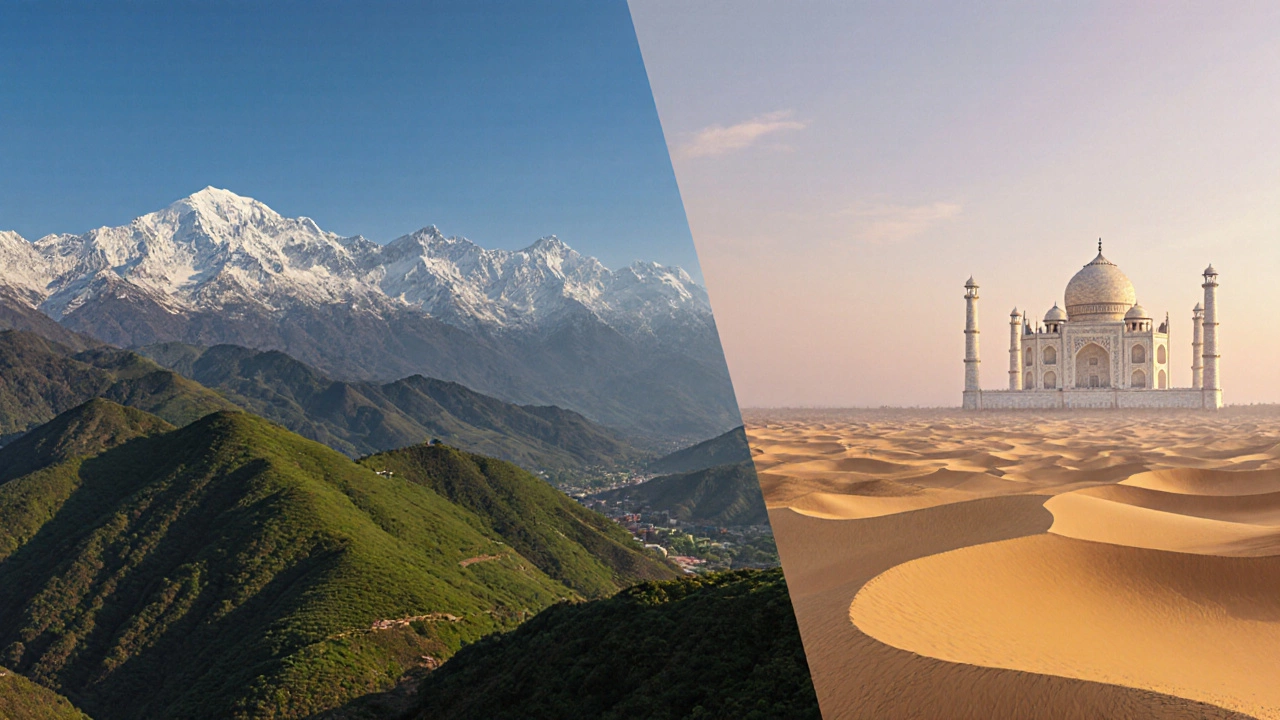
Best Time of Year to Visit North India - Seasonal Guide
Find the ideal months to explore North India, with weather insights, regional highlights, festivals and practical tips for every season.