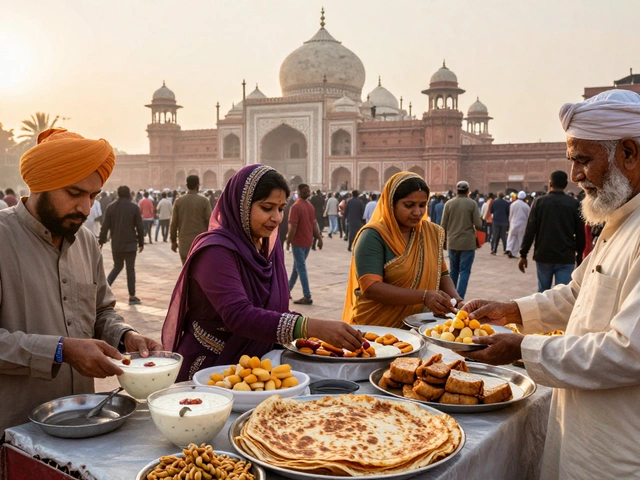
India Food Safety: What You Need to Know Before You Eat
When you travel in India, India food safety, the practices and standards that keep meals safe from contamination and illness. Also known as food hygiene in India, it’s not about avoiding local food—it’s about knowing how to choose wisely. Millions eat safely every day, but a few bad choices can turn a trip upside down. You don’t need to panic, but you do need to pay attention. This isn’t just about spicy curries or street chai. It’s about water, handling, storage, and where food is cooked. Many travelers worry about getting sick, but the truth is, most cases come from avoidable mistakes—not because the food itself is dangerous.
Street food safety, how vendors prepare and serve meals in open-air markets and roadside stalls. Also known as roadside eating, it’s one of India’s greatest joys—and its biggest risk if you’re not careful. Look for busy stalls. If locals are lining up, that’s a sign the food turns over fast, which means it’s fresh. Watch if the cook uses gloves or tongs, if utensils are washed in clean water, and if the oil looks clear—not dark and reused. Avoid anything sitting out uncovered for hours. Ice in drinks? Skip it unless you’re sure it’s made from filtered water. Bottled water isn’t always safe either—check the seal. Even hotels can slip up. Ask if they use purified water for cooking and ice.
Food poisoning India, illness caused by eating contaminated food, often from bacteria like E. coli or Salmonella. Also known as traveler’s stomach, it’s not a badge of honor—it’s a preventable hassle. Symptoms usually show up 6 to 48 hours after eating. Diarrhea, vomiting, cramps—these aren’t just inconvenient, they can derail your trip. Most cases clear up in a day or two, but dehydration can land you in a clinic. Carry oral rehydration salts. Avoid dairy, raw salads, and undercooked meat unless you’re sure of the source. Fruits? Peel them yourself. Cooked food served hot is usually safe. Raw herbs on your plate? Ask if they were washed in clean water. In rural areas, even boiled water can get recontaminated if stored in dirty containers.
India’s food culture is rich, diverse, and deeply personal. Every region has its own rules, traditions, and tricks for keeping meals safe. In Kerala, they use coconut oil for frying—it’s naturally antibacterial. In Punjab, tandoor ovens reach temperatures that kill most pathogens. In Delhi, many vendors use lemon juice or vinegar to clean produce. These aren’t just flavors—they’re protections. You don’t need to be a food scientist to eat well here. Just be observant. Trust your gut—literally. If something looks off, smells wrong, or feels too greasy, walk away. The best meals aren’t the most expensive ones—they’re the ones that feel clean, fresh, and alive.
Below, you’ll find real stories and practical tips from travelers who’ve been there. Some learned the hard way. Others found simple habits that kept them healthy for months. Whether you’re planning your first trip or your tenth, this collection gives you what you need to eat boldly—and safely—across India.
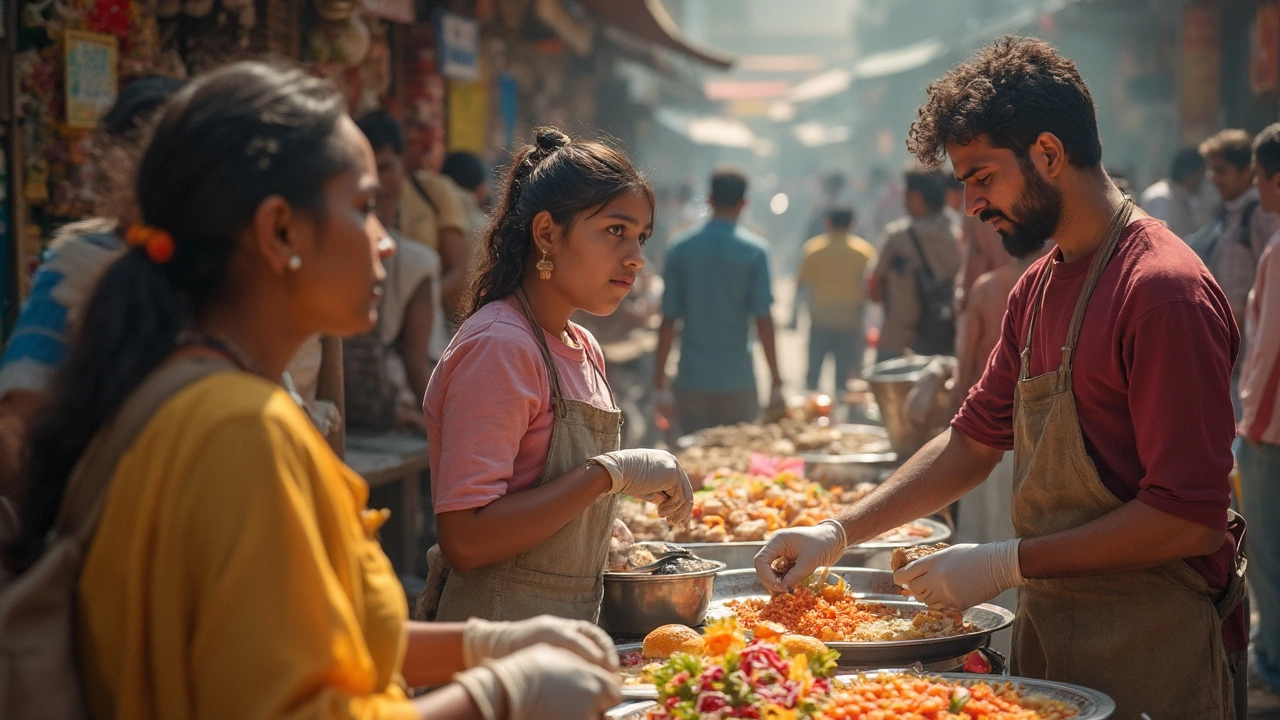
What to Eat in India to Not Get Sick: Street Food, Water, and Safety Tips
Navigating what to eat in India without getting sick can feel tricky. This article gives practical tips for choosing safe food and drinks, avoiding common pitfalls, and making the most of local flavors. Learn what to avoid, what’s safe, and how to spot a good place to eat. We cover water sanitation, picking the right street food, and bust some popular myths about Indian food safety. Whether you’re a first-timer or a seasoned traveler, you'll find straight-to-the-point advice that makes your trip healthier and happier.