India Culture: Traditions, Festivals, and Sacred Sites That Define a Nation
When you think of India culture, the rich, layered tapestry of rituals, languages, food, and beliefs that shape daily life across thousands of communities. Also known as Indian traditions, it’s not something you observe—it’s something you live inside. This isn’t just history in museums. It’s the sound of temple bells at dawn, the smell of incense in a village shrine, the way strangers share food without asking. Indian festivals, celebrations that turn entire cities into stages of color, music, and devotion aren’t events on a calendar—they’re emotional anchors. Diwali isn’t just lights; it’s families cleaning homes, lighting oil lamps, and forgiving old grudges. Kumbh Mela isn’t just a gathering; it’s 50 million people bathing in sacred rivers, believing they’re washing away lifetimes of karma.
Hindu pilgrimage, the journey to holy sites that draw millions each year for spiritual renewal is woven into the fabric of everyday life. Rameshwaram isn’t just a temple—it’s one of the few places in India that holds both Jyotirlinga and Char Dham status, making it a must for devout Hindus. Chidambaram’s empty golden space isn’t a missing idol—it’s a bold statement: the divine has no form. These aren’t tourist spots. They’re places where people come to heal, to pray, to remember who they are. And then there’s ethnic tourism, travel that connects visitors with tribal communities, ancient crafts, and living heritage beyond the mainstream. It’s not about taking photos of people in traditional clothes. It’s about sitting with a Gond family in Madhya Pradesh, learning how they paint stories on walls, or sharing tea with a Naga elder who remembers when the British came. This kind of travel doesn’t just show you India—it changes how you see the world.
India culture doesn’t sit still. It adapts. It blends. A village in Maharashtra called Panchgani looks like Tuscany, but its people still celebrate Ganesh Chaturthi with clay idols and drum circles. Jersey City might be called Mini India, but the real heart of this culture beats in the quiet temple courtyards of Tamil Nadu, the bustling bazaars of Punjab, and the misty hills where trekkers pause to offer prayers before climbing higher. You won’t find one single definition of India culture—because there isn’t one. What you will find are thousands of small, powerful moments that add up to something greater than the sum of its parts. Below, you’ll find real stories from people who’ve lived them: the festivals that move nations, the temples that defy logic, the tribes that keep ancient ways alive. No fluff. No clichés. Just the truth, told straight.
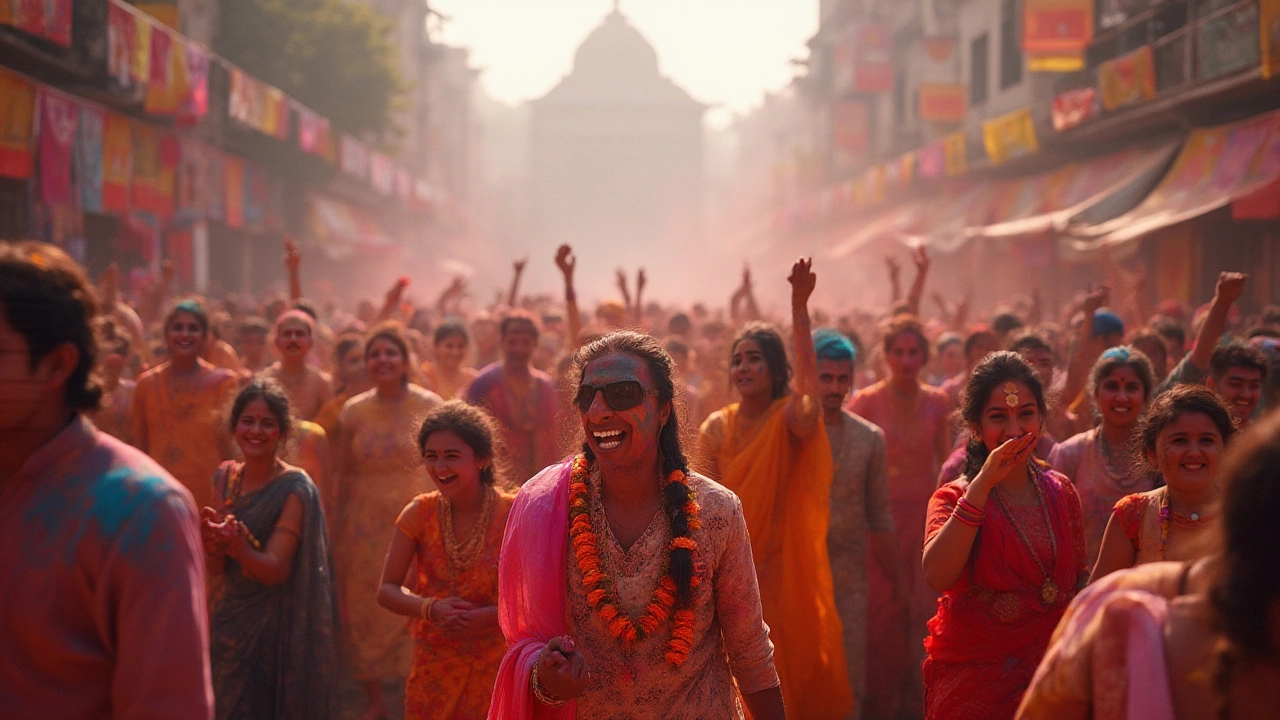
Why is India Famous for Its Culture? Traditions, Festivals, and Heritage Explained
Discover what makes Indian culture world-renowned—from colorful festivals and art forms to family traditions and spicy food, here’s why India stands out.