Hindu Temple Size: What Makes a Temple Large or Small in India
When you think of a Hindu temple, a sacred structure designed for worship, ritual, and community gathering in Hindu tradition. Also known as a mandir, it’s more than just stone and mortar—it’s a cosmic map carved into architecture. But size? That’s where things get interesting. Not every big temple is more sacred, and not every small one is less important. In India, temple size isn’t about bragging rights—it’s about purpose, location, history, and the community that built it.
Some temples, like the Sri Ranganathaswamy Temple, a sprawling complex in Tamil Nadu and one of the largest functioning Hindu temples in the world, cover hundreds of acres with dozens of gopurams, courtyards, and halls. Others, like a simple Shiva lingam shrine, a small, often outdoor stone altar found in rural villages, might fit in a corner of a farmer’s field. Both are equally valid. The biggest temples were often built by kings to show power, attract pilgrims, and anchor cities. The smallest? Built by families, farmers, or saints who just needed a place to pray. Neither is better—just different.
What really matters isn’t the square footage, but what happens inside. A temple’s size affects how many people can gather during festivals, how many priests serve daily rituals, and even how long it takes to walk from entrance to sanctum. The Jyotirlinga temples, twelve sacred shrines dedicated to Lord Shiva, each believed to be a pillar of light, range from modest to monumental—but all are considered equally divine. Size doesn’t make a deity more powerful. It just changes how you experience them.
Travelers often assume bigger means better, but that’s not how Hinduism works. In Varanasi, you’ll find a tiny temple tucked between spice shops where locals light oil lamps before dawn. In Khajuraho, you’ll walk through a complex where every wall tells a story carved over centuries. Both are profound. The real difference? One feels intimate. The other feels overwhelming. And both are part of the same tradition.
If you’re planning a trip to India, don’t just chase the biggest temple. Look for the ones that feel alive. The ones with incense drifting from a narrow doorway. The ones where elders chant in a language you don’t know but still understand. The ones where children run through courtyards, and monks sit quietly under peepal trees. Size tells you nothing about devotion. But presence? That’s everything.
Below, you’ll find real stories from travelers who’ve visited temples across India—from the towering golden domes of Punjab to the hidden stone shrines of Kerala. Each one reveals something new about what makes a temple sacred, no matter how big or small.
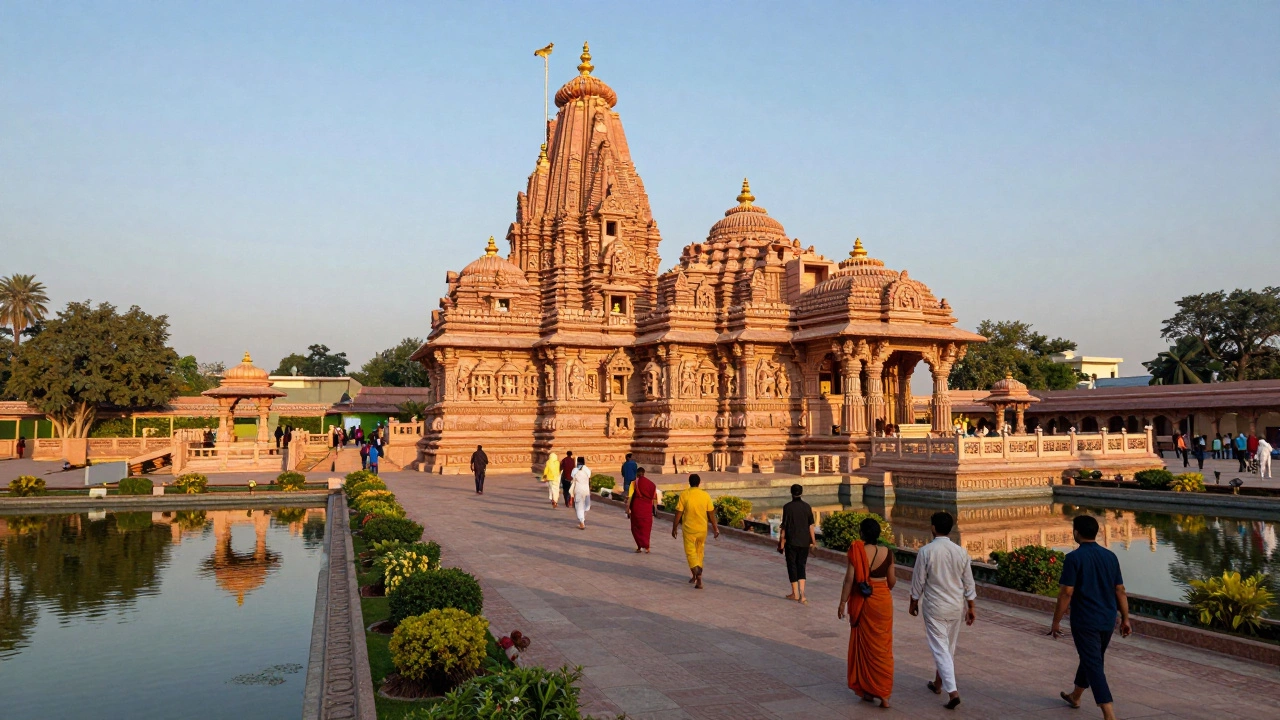
Which Is the No. 1 Biggest Hindu Temple in the World?
The Swaminarayan Akshardham in Gujarat is the world's largest Hindu temple by complex area, featuring over 20,000 hand-carved statues and no electronic devices inside. Discover why this 21st-century marvel draws millions and how it compares to ancient temples.