Hiking Tips: Essential Advice for Safe and Enjoyable Trails in India
When you hit the trail, hiking tips, practical strategies that help you stay safe, prepared, and energized on the move. Also known as trekking advice, they’re not just about boots and backpacks—they’re about reading the land, knowing your limits, and respecting the rhythm of the mountains. In India, where trails climb from misty Himalayan ridges to jungle-covered hills in Kerala, these tips make the difference between a great day and a dangerous one.
Good hiking gear, the essential equipment that keeps you comfortable and protected on the trail starts with sturdy shoes. Not just any sneakers—look for grip, ankle support, and quick-dry material. Many hikers in India ruin their trips by wearing new shoes on day one. Break them in first. Pack light but smart: a rain cover, extra socks, a headlamp, and electrolyte tablets matter more than fancy jackets. You don’t need a $500 backpack. You need one that fits, doesn’t dig into your shoulders, and holds your water, snacks, and first-aid kit.
trail safety, the set of behaviors and precautions that reduce risk on outdoor paths is non-negotiable. Always tell someone where you’re going and when you’ll be back. Even if you’re hiking near a popular spot like Valley of Flowers or Kodaikanal, trails can change fast—weather shifts, paths get overgrown, or you might lose the route. Stick to marked trails unless you’re with a local guide. Carry a physical map. Phones die. Also, watch the time. Many hikers push too far, then get caught in darkness or rain. Start early. Know your return window. And never ignore signs of altitude sickness—headache, nausea, dizziness—especially above 8,000 feet. Descend if you feel off.
Hiking tips also mean learning how to read the land. In the Western Ghats, sudden downpours turn paths into mudslides. In Ladakh, the sun burns even when it’s cold. In the Northeast, trails can be slippery with moss. Adjust your pace, your hydration, and your clothing layer by layer. Eat small snacks every hour—nuts, dried fruit, energy bars. Don’t wait until you’re hungry. Your body needs steady fuel, not a big meal halfway up.
And don’t forget the human side. Respect local customs. Many trails pass through villages or sacred sites. Ask before taking photos. Don’t litter. Carry out what you carry in. In places like Rishikesh or Coorg, you’re not just a visitor—you’re a guest. The best hikes aren’t the ones you conquer. They’re the ones you remember because you felt connected to the place, not just the view.
Below, you’ll find real stories from people who’ve walked these trails—what worked, what didn’t, and what they wish they’d known before they started. Whether you’re planning your first short walk or a multi-day climb, these posts give you the no-fluff, real-world advice you need to step out with confidence.
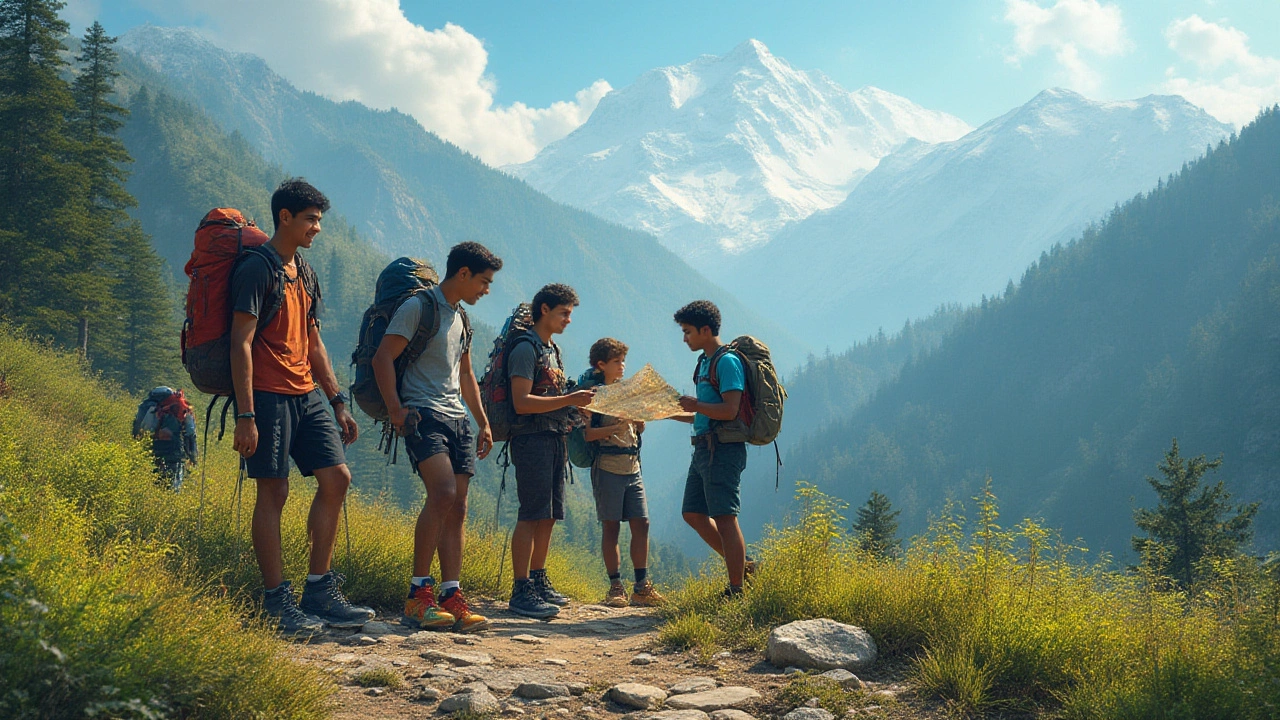
Trekking vs. Hiking: Key Differences, Tips & Must-Know Facts
Confused about trekking vs. hiking? This guide breaks down the differences, offers tips, and dives into what you really need to know before your next adventure.