Car vs Train: Which Is Better for Traveling in India?
When you’re planning a trip across India, the choice between a car, a personal or rented vehicle that gives you full control over your route and schedule and a train, India’s vast, affordable, and deeply woven public transport network that connects cities, towns, and remote destinations isn’t just about logistics—it’s about how you want to experience the country. If you’re chasing flexibility, privacy, and the freedom to stop wherever the road takes you, a car makes sense. But if you’re looking for comfort, affordability, and a real taste of local life, the train often wins. This isn’t just a debate—it’s a decision that shapes your entire journey.
India’s railway system, the fourth-largest in the world, carrying over 23 million passengers daily is more than just a way to get from A to B. It’s a cultural experience. You’ll share space with families, vendors selling chai, and travelers from every corner of the country. On the other hand, driving a road trip, a self-guided journey where you control every turn, stop, and detour through Rajasthan or along the Western Ghats gives you access to places trains don’t reach—like hidden hilltop temples, quiet wildlife reserves, or remote villages. But it also means dealing with traffic jams near Agra, narrow mountain roads in Kerala, and unpredictable fuel availability in rural areas. One isn’t better than the other—it’s about what kind of traveler you are.
Cost matters too. A train ticket from Delhi to Jaipur might cost you under ₹500 for a sleeper class seat. Renting a car for the same route? You’re looking at ₹3,000–₹5,000 a day, plus fuel, tolls, and parking. But if you’re traveling with a group of four or five, the per-person cost evens out. And if you’re heading to a wildlife sanctuary like Ranthambore or Bandhavgarh, a car gives you the only real chance to spot tigers in the wild. Trains get you close—but you’ll still need a safari jeep after you arrive. That’s why many travelers combine both: take the train to the nearest city, then rent a car for the final leg.
Comfort? Trains win for long distances. You can stretch out, walk around, eat real meals served on board, and sleep without worrying about driving. Cars give you AC, your own playlist, and the ability to stop for a snack at a roadside dhaba whenever you want. But you’ll also get stuck in a 3-hour traffic jam outside Pune or face a flat tire in the middle of Madhya Pradesh with no cell signal. And let’s be honest—India’s roads are a mixed bag. Some are smooth highways. Others are pothole-filled nightmares.
There’s no one-size-fits-all answer. If you’re on a tight budget, love meeting people, and don’t mind sticking to fixed schedules, pick the train. If you’re chasing adventure, need to reach offbeat spots, or want total control over your time, go with the car. The posts below cover real experiences from travelers who’ve done both—from luxury train journeys across Rajasthan to road trips through the Himalayas, from budget hacks to hidden dangers you won’t find in guidebooks. You’ll find out which option saved someone’s honeymoon, which one nearly ruined a wildlife safari, and why so many Indians choose the train even when they can afford a car. Let’s get into it.
Comparing Amtrak Speed to Cars: A Journey into Rail Efficiency
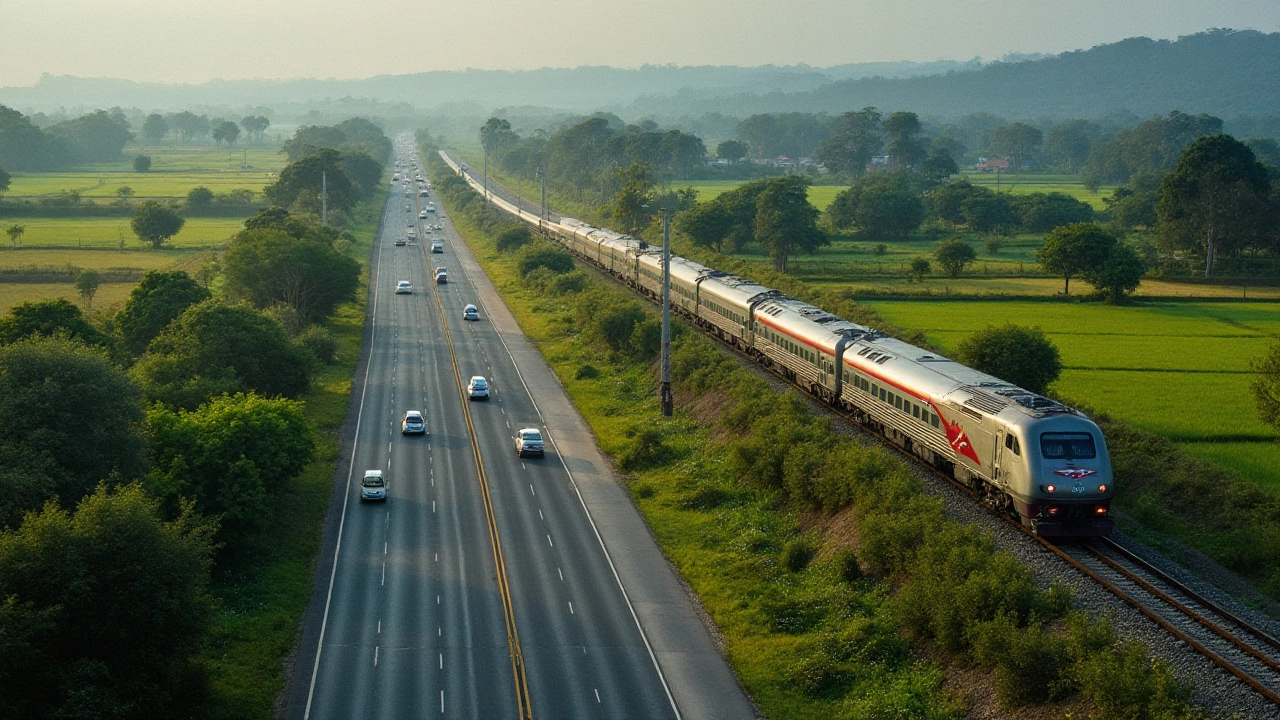
When considering travel options, speed is a significant factor, especially in the luxury travel segment. Amtrak, known for its scenic routes and comfortable accommodations, often appears as an alternative to road travel. This article delves into whether Amtrak can truly compete with cars in terms of speed while exploring the added element of passenger comfort and experience. Expect an exploration of travel times, convenience, and insights into why someone might choose the train over a car.