Animal Safety: Protecting Wildlife in India's Natural Spaces
When we talk about animal safety, the practice of ensuring wild animals live free from harm, exploitation, and habitat loss. Also known as wildlife protection, it’s not just about stopping poachers—it’s about rebuilding ecosystems so animals can live as they always should. In India, this isn’t a luxury. It’s a necessity. Every year, thousands of animals—elephants, tigers, leopards, even rare birds—are rescued from illegal trade, road accidents, or shrinking forests. These aren’t just stats. They’re living beings with families, instincts, and a right to exist.
Wildlife sanctuaries, protected areas where animals live without human interference or commercial use. Also known as animal refuges, they’re the backbone of animal safety in India. Unlike zoos, they don’t display animals for entertainment. They take in injured, orphaned, or confiscated wildlife and give them lifelong care. A tiger cub found alone after its mother was killed? A pangolin seized from a black-market dealer? These animals don’t go back to the wild right away—they heal, learn, and sometimes, if possible, return. But many stay for life, because the world outside isn’t safe. And that’s the hard truth: animal safety isn’t just about saving one animal at a time. It’s about fixing the systems that put them in danger in the first place.
Habitat conservation, the effort to protect and restore the natural environments animals depend on to survive. Also known as ecosystem protection, it’s the quiet partner to animal safety. You can’t protect a tiger if its forest is gone. That’s why sanctuaries don’t just feed animals—they plant trees, clean rivers, and fight illegal logging. They work with local communities to find ways to live alongside wildlife instead of pushing them out. And it’s working. In places like Corbett and Kaziranga, tiger numbers are rising—not because of cages, but because forests are coming back.
Then there’s wildlife rehabilitation, the process of caring for injured or displaced animals so they can return to the wild. Also known as rescue and release, it’s hands-on, messy, and deeply human work. Volunteers spend hours nursing broken limbs, treating parasites, and teaching young animals how to hunt. It’s not glamorous. But when a rescued eagle takes flight again, or a rhino calf walks free into the grasslands, that’s when animal safety becomes real.
What you’ll find in these posts isn’t just theory. It’s real stories from the ground. How sanctuaries in Maharashtra save leopards trapped in villages. How a single law change in Karnataka stopped the illegal pet trade in monkeys. How trekking trails now include animal corridors so elephants can pass safely. These aren’t distant problems. They’re happening right now, in forests near you.
Animal safety isn’t about being perfect. It’s about showing up—whether you’re visiting a sanctuary, supporting a rescue, or just choosing not to buy something made from wildlife. The animals don’t need heroes. They need people who care enough to act. And that’s exactly what these stories are about.
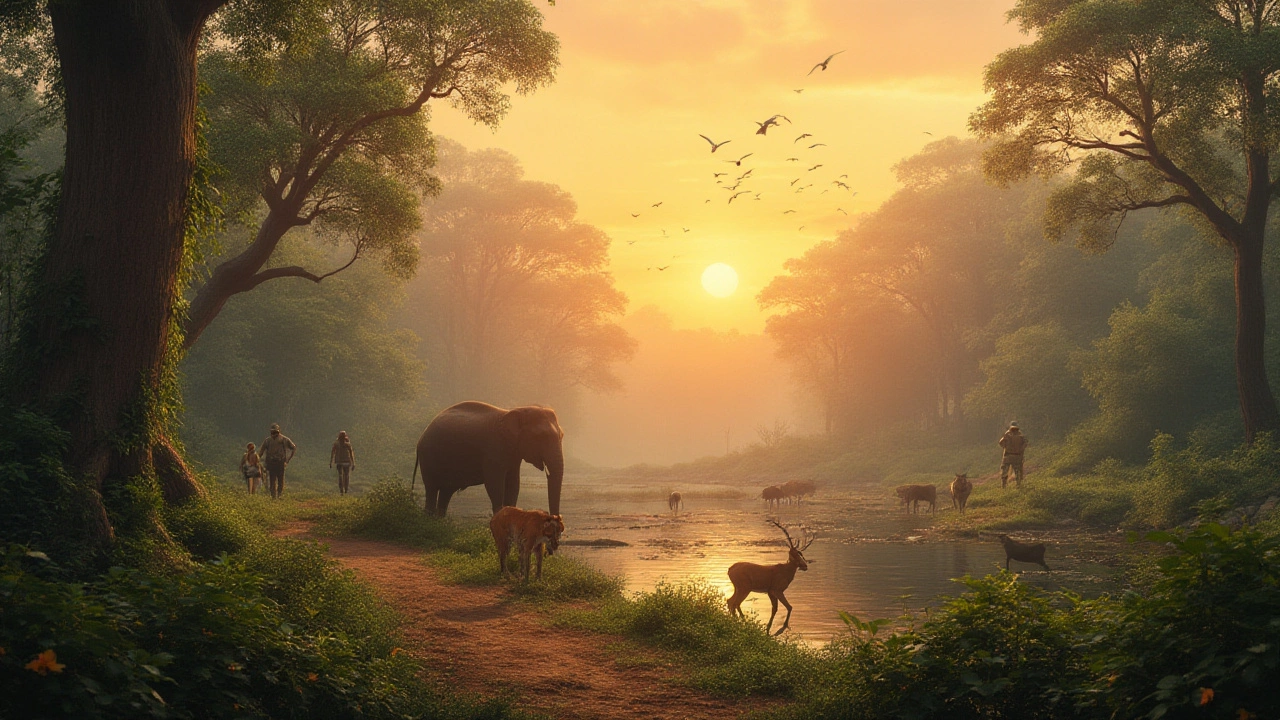
Are Wildlife Sanctuaries Safe for Animals? Exploring Facts, Risks, and Real Protection
Are animals truly safe in wildlife sanctuaries? Discover real facts, risks, protections, and what visitors can do to support wildlife inside protected areas.